Blog

  • What Happens to Unpaid Property Taxes After Foreclosure in Fulton County?

    Did you know that losing your home doesn’t mean you’re free from paying local taxes? Many think that when a bank takes over, they’re off the hook. This belief can lead to big financial problems later on.

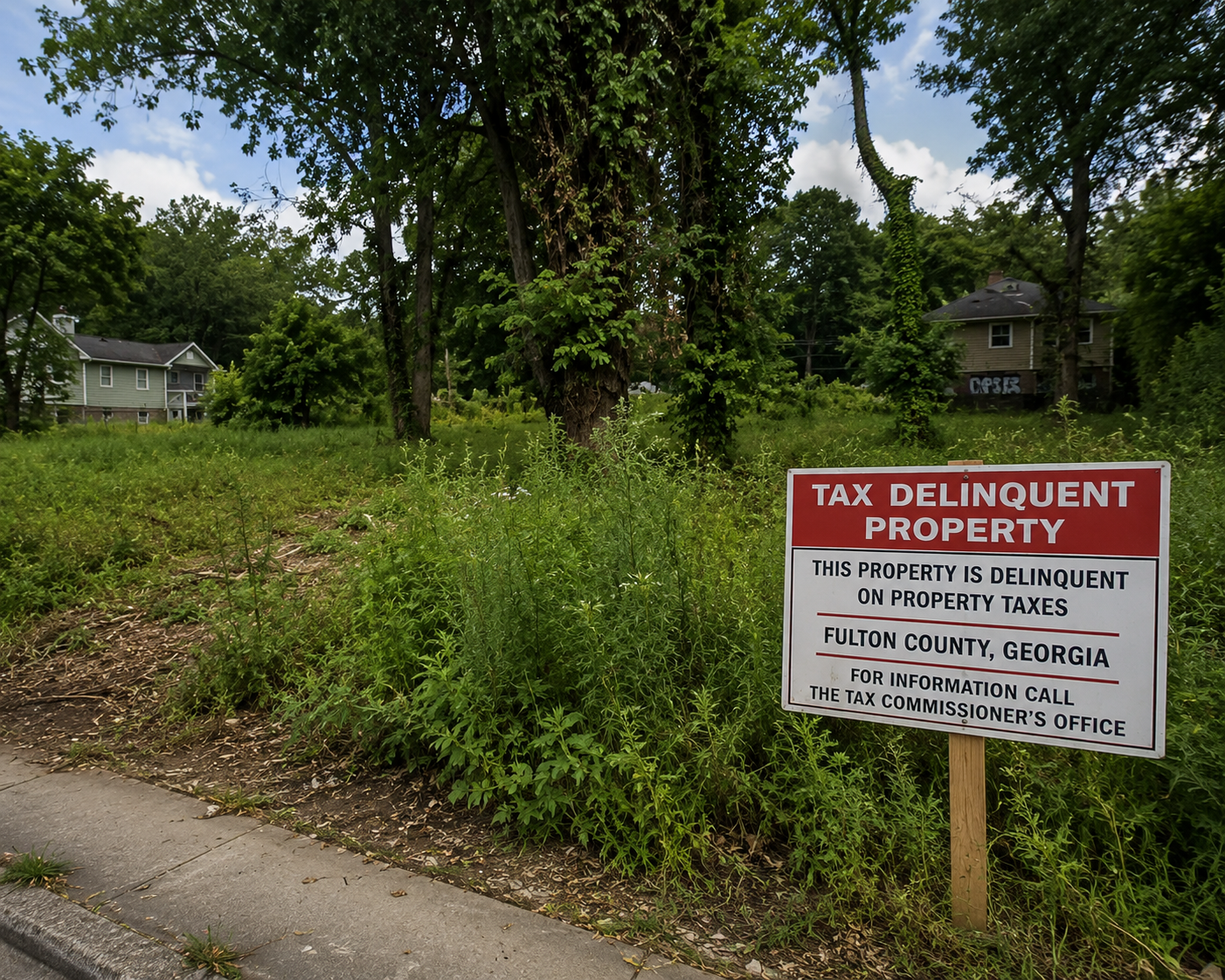
    green grass field under white clouds during daytime

    In Fulton County, Georgia, it’s important to know that debts don’t just disappear. When you default, your outstanding taxes become a big worry. Taking care of these debts early is key to protecting your investment.

    Knowing how debts are collected can help you avoid surprises. We’ll look into how these debts stick around and why it’s crucial to deal with them quickly.

    Key Takeaways

    • Foreclosure does not automatically cancel existing government debt.
    • Fulton County maintains strict protocols for collecting outstanding balances.
    • Homeowners remain responsible for specific fiscal obligations even after losing title.
    • Proactive communication with tax authorities can prevent further legal complications.
    • Securing your financial future requires a deep understanding of local lien laws.

    Understanding Property Tax Delinquency in Georgia

    Understanding real estate tax delinquency in Georgia is key. The state has clear rules for property taxes in all counties. Homeowners need to know these rules to protect their property and finances.

    The Legal Basis for Property Taxation

    Georgia’s constitution and laws give local governments the power to tax property. This includes Fulton County, which uses these taxes for schools, roads, and emergency services. The state lets counties set property values and collect taxes when payments are late.

    Property values are checked every year to keep taxes fair. After a tax bill is sent, owners have a certain time to pay. If they don’t, the state starts a formal collection process.

    Defining Delinquency and Tax Liens

    When taxes aren’t paid on time, the property is considered delinquent. This leads to a tax lien, a legal claim on the property. The lien makes sure the county gets paid first when the property is sold.

    Many wonder, “how long can you go without paying property taxes in Georgia?” The exact time varies by area. But, the process starts quickly after the grace period ends. Here’s what happens next:

    StageDescriptionLegal Consequence
    Initial Due DateStandard payment deadlineNone
    DelinquencyPayment is past dueInterest and penalties accrue
    Tax LienFormal claim filedProperty encumbrance
    ExecutionCollection enforcementPotential for public auction

    Knowing these steps is crucial for property owners. By understanding tax liens, owners can act early to avoid losing their property. Keeping up with local tax laws helps protect property rights.

    The Mechanics of Tax Liens and Foreclosure in Fulton County

    The journey to a property tax foreclosure in Fulton County starts with legal actions by the local government. These steps help the county get the funds it needs for public services. It’s important for homeowners and investors to know these steps.

    How Fulton County Issues Tax Executions

    When taxes aren’t paid, the county sends out a tax execution. This is a legal document that puts a lien on the property. It’s a key part of the tax foreclosure process.

    After the execution is recorded, it becomes public knowledge. This means the county is officially trying to collect the debt. It warns that more actions might follow if the debt isn’t paid.

    The Priority of Tax Liens Over Other Debts

    In Georgia, tax liens are given a special legal status. They are paid before most other debts. This makes the tax foreclosure process more powerful than other loans.

    This rule helps ensure public funds are protected. Even with many liens, the tax lien usually comes first. This makes tax debt very serious for investors and homeowners.

    Notification Requirements for Property Owners

    Fulton County must notify property owners before taking action. These notices give people a chance to pay their debts before a property tax foreclosure happens. The county sends these notices to the address on the tax records.

    If you don’t get a notice because of an incorrect address, it doesn’t stop the process. It’s crucial to keep your address up to date with the tax commissioner. This is the best way to avoid losing your property through these steps.

    What Happens to Unpaid Property Taxes After Foreclosure

    When a home is lost to tax debt, owners often feel lost about their financial duties. They wonder what happens to unpaid property taxes after foreclosure after the auction. Knowing this helps manage your finances better.

    Transfer of Liability During the Foreclosure Process

    In a tax foreclosure process, the county tries to get back unpaid taxes by selling the property. The sale’s money goes to the tax debt, interest, and costs. This clears the tax lien from the property title.

    The new owner gets the property with certain rules. The old owner’s tax debt is usually paid off by the sale. But, other debts or liens on the property might not be erased.

    The Distinction Between Mortgage Foreclosure and Tax Foreclosure

    Many confuse mortgage foreclosure with tax foreclosure. Both lead to losing a home, but they’re different in law and priority.

    • Mortgage Foreclosure: Started by a private lender for missed payments.
    • Tax Foreclosure: Started by the government for unpaid taxes.
    • Priority: Tax liens usually come first in Georgia.

    The table below shows the main differences between these two actions:

    FeatureMortgage ForeclosureTax Foreclosure
    InitiatorPrivate LenderCounty Government
    Primary GoalRecover Loan BalanceCollect Unpaid Taxes
    Legal BasisSecurity DeedStatutory Tax Lien

    Responsibility for Outstanding Balances Post-Sale

    Many worry if unpaid property taxes are still their responsibility after the sale. In most cases, the property tax foreclosure is against the property, not the owner.

    After the property is sold, the tax debt is usually paid off by the sale. If there’s money left over, it might go to the former owner or other lienholders. It’s wise to talk to a lawyer to see if you still owe anything.

    The Role of the Fulton County Tax Commissioner

    Every property owner needs to know about the Fulton County Tax Commissioner. This office handles the billing, collection, and distribution of local property taxes. The commissioner keeps an eye on these processes to make sure the county has enough money for public services.

    Administrative Duties in Tax Collection

    The Tax Commissioner oversees the whole tax collection process. This includes working with county departments to make sure tax bills are right and sent on time. The office has key roles to keep the county’s finances stable:

    • Issuing annual tax bills to property owners.
    • Processing payments and managing escrow accounts.
    • Distributing collected funds to local government entities and school districts.
    • Enforcing collection policies for overdue accounts.

    Managing Delinquent Accounts and Public Records

    This office is also in charge of keeping public records up to date. They track unpaid taxes to identify properties at risk of legal action.

    Homeowners can reach out to the office to check their property tax payment status or fix any errors. Keeping these records accurate helps everyone, from citizens to lawyers. It’s crucial for the county’s tax system and keeping everyone in line with the law.

    Navigating the Tax Deed Sale Process

    Fulton County uses a public auction system to handle delinquent accounts. This helps recover public revenue. When property owners don’t pay their debts, the county starts a tax foreclosure process to keep tax collections fair.

    Public Auction Procedures in Fulton County

    Auctions are open to everyone to ensure fairness. People interested in bidding must register first. The property goes to the highest bidder, as long as the bid is high enough.

    The Rights of the Winning Bidder

    Winning a bid doesn’t mean you own the property right away. You get a tax deed, which is a conditional interest. This property tax foreclosure lets the original owner pay to get their property back.

    If the owner doesn’t act, the bidder can try to clear the title. This legal step is needed to make the deed clear. But, the buyer’s rights are limited by law.

    How Proceeds Are Applied to Outstanding Taxes

    The money from tax deed sales goes first to the government’s debts. It pays off the taxes, interest, and sale costs. Any extra money is kept by the county and can be claimed by others with an interest in the property.

    This method keeps the tax foreclosure process in order and follows Georgia law. It helps the county’s finances stay healthy. Knowing how this works is key for those dealing with property tax foreclosure.

    Redemption Rights and Periods for Homeowners

    Losing a home to a tax sale doesn’t mean you’ve lost all rights. In Georgia, there’s a law that lets you get your property back under certain conditions. This is called redemption. It’s your last chance to pay off debts and keep your home.

    Understanding the Statutory Redemption Period

    Georgia gives homeowners 12 months after a tax sale to redeem their property. During this time, the buyer doesn’t have full ownership. Your right to reclaim the home still exists.

    It’s crucial to act fast after a sale. If you don’t take action within 12 months, the buyer can stop your redemption rights. Once these rights are gone, you can’t get your property back through this legal process.

    Calculating Redemption Costs and Penalties

    To redeem your property, you must pay the full amount required by law. This includes the back taxes, the auction price, and a statutory premium. The law adds a 20% penalty on the bid amount for the first year. This is to compensate the buyer.

    After the initial 20% premium, you might also have to pay for maintenance, insurance, and legal fees. The table below shows what you might need to pay.

    Cost ComponentDescriptionApplicability
    Bid AmountThe winning auction priceMandatory
    Statutory Premium20% of the bid amountMandatory
    Maintenance CostsNecessary property repairsIf documented
    Legal FeesTitle search and filing costsIf applicable

    Steps to Reclaim Property After a Tax Sale

    To get your property back, first find out who bought it. You can do this through the Fulton County Tax Commissioner’s office or by looking at county records. Then, tell them you want to redeem the property.

    You’ll need to pay the full redemption amount in certified funds. It’s wise to talk to a real estate attorney to make sure you’re paying the right amount. Also, make sure you document your payment well. This is key to removing the tax deed and getting your ownership back.

    Impact of Mortgage Foreclosure on Tax Obligations

    Mortgage lenders keep an eye on real estate tax delinquency to protect their interests. When a borrower misses payments, the lender checks for tax liens. This mix of private and public interests guides the foreclosure steps.

    What are delinquent property taxes? Can you lose your home over unpaid taxes?

    When Lenders Pay Delinquent Taxes

    Lenders use escrow accounts to pay property taxes on time. If payments stop, the lender might pay the taxes to avoid a tax sale. This move helps the bank stay ahead of other creditors.

    “Financial responsibility is the cornerstone of property ownership, ensuring that both private debts and public obligations are met to preserve the integrity of the asset.”

    — Financial Real Estate Journal

    The Consequences of Abandoned Properties

    Abandoned properties face big challenges with tax debt. These homes often decay, reducing their value. Local governments speed up tax sales to get back lost money and ensure safety.

    StakeholderPrimary ConcernAction Taken
    Mortgage LenderProtecting CollateralPays tax arrears
    Property OwnerRetaining EquitySeeks payment plans
    Fulton CountyRevenue CollectionIssues tax executions

    Handling real estate tax delinquency in abandoned properties needs quick action. Neglecting a property raises the risk of losing it to a tax sale. Homeowners should talk to their lenders early to avoid severe outcomes.

    Strategies for Resolving Delinquent Property Taxes

    Dealing with unpaid property taxes can feel like a heavy burden. But, there are steps you can take to avoid losing your home. Early action is key to tackling unpaid property taxes before they get worse. By reaching out to the county office, you might find a way to stabilize your situation.

    Payment Plans and Hardship Programs

    Fulton County has options for homeowners struggling with taxes. If you’re facing delinquent property taxes, contact the Tax Commissioner’s office right away. They can help set up installment agreements to pay off your debt over time. This can stop a tax sale from happening.

    delinquent property taxes

    There are also hardship programs for seniors, veterans, and those facing big financial challenges. These programs aim to help those who can’t pay their taxes due to tough circumstances. But, each program has its own rules, so it’s important to check what your local area offers.

    Seeking Professional Legal and Financial Guidance

    Tax laws can be hard to understand without help. A tax attorney or financial advisor can guide you through managing delinquent property taxes. They can explain your rights and make sure you’re taking the right steps to protect your home.

    A legal expert can also help negotiate with the county or find mistakes in your tax bill. Being proactive can lead to better results than waiting for the county to act. It shows you’re serious about solving the problem.

    Conclusion

    Managing property tax is crucial to keep your home safe. Fulton County has strict rules for tax collection. This means acting fast is key to avoid legal trouble.

    Knowing your rights as a homeowner helps you deal with tax liens and redemption periods. You can protect your investment by following local laws and rules.

    Talking to the Fulton County Tax Commissioner can stop small problems from getting big. Look for help from legal experts or financial advisors. They can guide you through hardship programs or payment plans.

    Handling your tax situation now helps your family’s future. Focus on paying off debts before they lead to a public auction. This way, you keep your home and enjoy peace of mind for years.

    FAQ

    What happens to unpaid property taxes after foreclosure in Georgia?

    In Georgia, property tax liens are senior to most debts, including mortgages. If a lender like Wells Fargo forecloses, the unpaid taxes stay with the property. The lender usually pays these taxes to clear the title for a new buyer.If the county initiates a tax deed sale, the auction’s proceeds pay off the debt. Any leftover money can go to the former owner or other lienholders.

    How long can you go without paying property taxes in Georgia before facing foreclosure?

    The exact time varies by county. In Fulton County, the tax foreclosure process starts after the payment deadline, usually in October or November. Once taxes are late, the Tax Commissioner issues a tax execution.If the debt isn’t paid, the county can sell the property at auction. Homeowners usually have a year before this happens, but delays can extend it.

    What is the difference between a mortgage foreclosure and a property tax foreclosure?

    A mortgage foreclosure is when a private lender takes action due to a loan default. A property tax foreclosure is when the county acts to collect unpaid taxes. In Georgia, a tax foreclosure leads to a sale at the courthouse steps.

    How do tax liens affect my property tax payment status?

    Unpaid property taxes create a tax lien on your property. This lien clouds the title, making it hard to sell or refinance. The lien stays until the tax debt is fully paid, including interest and penalties.

    What are the rights of a winning bidder at a Fulton County tax deed sale?

    The winning bidder gets a tax deed but doesn’t own the property outright. The original owner has a 12-month redemption period. During this time, the buyer can’t occupy or make major changes but gets a 20% premium if redeemed.

    How can I reclaim my property after a tax foreclosure?

    To get your property back, you must pay the buyer the full amount they paid at the sale. This includes any taxes paid since the sale and a 20% penalty. You have 12 months to do this before the buyer starts the foreclosure process.

    Does the Fulton County Tax Commissioner offer help for delinquent property taxes?

    Yes, Commissioner Arthur Ferdinand’s office helps with payment plans and hardship programs. Homeowners should also check for homestead exemptions or senior discounts to lower their taxes and avoid foreclosure.

    What happens to the surplus funds after a tax deed sale?

    Surplus funds from a tax auction go to the county. They can be claimed by the former owner or other lienholders.

    Why is it important to monitor my property tax payment status regularly?

    Checking your status with the Fulton County Tax Commissioner helps you catch missed payments or errors. Early action can prevent high interest rates, legal fees, and losing your property.

  • Can You Go To Jail For Not Paying Property Taxes in Fulton County?

    Ever thought a missed deadline could mean jail time? Many homeowners in Georgia worry about this. They fear falling behind on local taxes.

    can you go to jail for not paying property taxes

    But, the truth is different. Not paying on time is a civil issue, not a crime. Local authorities use liens and auctions to collect taxes, not jail. Knowing this can ease worries for those struggling with taxes.

    Key Takeaways

    • Delinquent assessments are handled as civil debts, not criminal violations.
    • Fulton County utilizes tax liens to secure unpaid balances.
    • Incarceration is not a standard consequence of falling behind on these specific bills.
    • Homeowners have legal avenues to address and resolve outstanding financial burdens.
    • Proactive communication with the tax commissioner can prevent further collection actions.

    Understanding Property Tax Obligations in Fulton County

    Understanding property taxes in Fulton County is key. Homeowners need to know the rules to keep their accounts in order. Knowing your property tax obligations helps you manage your county payments better.

    The Role of the Fulton County Tax Commissioner

    The Fulton County Tax Commissioner handles property taxes. They keep track of all taxable properties in the county. Their work helps fund schools, roads, and public safety.

    How Property Tax Assessments are Calculated

    The process starts with finding your home’s Fair Market Value. The county appraisal team uses market trends and property details for this. Then, they apply a millage rate to figure out your tax.

    This method ensures taxes are fair. If you think your value is off, you can appeal within a certain time. Knowing your Fulton County tax assessment helps you plan your taxes better.

    Deadlines and Payment Cycles for Homeowners

    Property taxes in Fulton County have an annual cycle. It’s crucial to meet the deadlines to avoid extra costs. Paying on time helps you avoid financial trouble.

    Cycle PhasePrimary ActionKey Responsibility
    AssessmentProperty ValuationReviewing market data
    BillingTax Statement IssuanceVerifying account details
    PaymentDeadline ComplianceSubmitting funds on time
    DelinquencyPenalty AssessmentAddressing late notices

    Keep an eye out for tax statements in the mail. Paying on time helps avoid late fees. Check your payment status online to stay current.

    Can you go to jail for not paying property taxes

    If you’re struggling with property taxes, it’s key to know the truth about jail time. Many homeowners worry about debt, but it’s important to grasp how Fulton County handles these issues.

    Lose your property for not paying taxes? You could be owed thousands of dollars

    Distinguishing Between Civil Debt and Criminal Liability

    Property taxes are seen as civil debt by the law. This means unpaid taxes are viewed as a financial issue, not a crime.

    The county aims to get the owed money for public services. They use liens on properties, not criminal charges, to do so.

    Why Tax Evasion is Different from Tax Delinquency

    It’s important to know the difference between tax delinquency and tax evasion. Delinquency happens when taxes aren’t paid on time, either by mistake or forgetfulness.

    Tax evasion, however, is a crime. It involves lying or hiding assets to avoid taxes. While delinquency is a civil matter, evasion can lead to jail time.

    The Reality of Incarceration for Property Tax Issues

    Many wonder, “can you go to jail for not paying property taxes?” The answer is no, for standard non-payment cases.

    The county doesn’t use jail to collect taxes. Instead, they follow a process of notifications, interest, and property sale to collect debt.

    FeatureCivil Tax DelinquencyCriminal Tax Evasion
    Primary NatureFinancial DebtIntentional Fraud
    Legal ConsequenceLiens and ForeclosureFines and Incarceration
    IntentUnintentional or InabilityWillful Deception
    County ActionProperty RecoveryProsecution

    Knowing these differences can ease your worries. If you’re facing tax delinquency, talk to the tax office. They can help you find a payment plan, avoiding criminal charges.

    The Legal Consequences of Delinquent Property Taxes

    When you don’t pay property taxes on time, things get serious fast. It’s not just about late fees anymore. It’s about how these debts can harm your financial health for years to come. It’s crucial to know how these debts grow.

    Accrual of Interest and Penalties

    After missing a payment deadline, the county starts adding interest and penalties to your debt. These extra costs are meant to push you to pay on time. But, they can make it tough for homeowners to get back on track.

    These extra costs keep adding up every month. This makes the original tax amount even bigger. Ignoring delinquent property taxes only makes the problem worse, leading to a huge financial burden.

    The Issuance of Tax Fi. Fa. (Fieri Facias)

    If you still owe money, the county might send you a tax Fi. Fa., or Fieri Facias. This is a formal notice that a lien has been put on your property. It’s a legal claim to the unpaid debt.

    Recording this lien means the tax debt is tied to your property title. This makes it hard to sell or refinance your home until the debt is paid off. The tax Fi. Fa. is a big step towards legal action.

    Impact on Your Credit Score and Financial Standing

    Not paying taxes can hurt more than just your property. A tax lien on your credit report can lower your credit score a lot. This makes it hard to get loans, credit cards, or good insurance rates later on.

    Managing your taxes well is key to keeping your finances healthy. Paying off delinquent property taxes early helps protect your credit and avoids the stress of growing interest and penalties. Staying informed is the best way to secure your financial future.

    Can you lose your home for not paying property taxes

    If you’re struggling with tax debt, you might worry about losing your home. While it’s not immediate, not paying property taxes can put your ownership at risk. The county has ways to make sure public obligations are met.

    The Mechanism of Tax Liens

    When you don’t pay property taxes, the county puts a legal claim on your home. These tax liens are public notices that your property is in debt. They stop you from selling or refinancing until the debt is paid.

    The lien is a security for the government. If the debt grows, the county might sell your home to get the money back. This is the last step in a long process.

    Understanding the Right of Redemption

    Even if your home is sold at a tax auction, you might get it back. Georgia law gives you a right of redemption. This lets you get your property back within a certain time. It’s a safety net for homeowners facing financial trouble.

    • You must pay the full amount of taxes owed.
    • You also need to cover interest and fees.
    • You have to do this within the time allowed by state law.

    How Property Ownership is Affected by Unpaid Taxes

    Unpaid taxes change how you own your property. They threaten a sale and harm your financial reputation. It’s hard to get new loans or insurance with a lien on your property.

    It’s crucial to deal with this early to keep your equity. Ignoring tax office notices makes things worse. Taking action helps you keep control of your home and avoid foreclosure stress.

    What happens if you don t pay your property taxes on time

    If you miss paying your property taxes, the county starts a process to get the money back. This process is fair and helps fund public services. Knowing these steps can help you avoid extra stress and penalties.

    Initial Notices and Delinquency Alerts

    Soon after the due date, the county sends a notice to the property owner. These delinquency alerts remind you that the payment is late and more fees will follow.

    It’s crucial to check all mail from the tax office right away. Ignoring these notices won’t make the debt go away. Instead, it can lead to harsher collection actions. Quick action on these alerts keeps your account in good shape.

    “Financial integrity is the cornerstone of homeownership; staying informed about your tax obligations is the first step toward protecting your investment.”

    The Escalation Process from Late Fees to Legal Action

    If you ignore the first notices, things get more serious. The county adds interest and penalties to the unpaid amount. This increases the total owed over time.

    Later, the county might send a Tax Fi. Fa., a legal document that puts a lien on your property. This is a big step toward legal action. The table below shows how the process unfolds.

    StageAction TakenFinancial Impact
    Initial Due DatePayment DeadlineNone
    Post-DeadlineDelinquency AlertsLate Fees Applied
    Extended DelayTax Fi. Fa. IssuedInterest & Legal Costs

    Communication Channels with the Tax Office

    If you’re having trouble paying, contact the tax office right away. Talking to them early can lead to payment plans or extensions. You can reach out through their website, phone, or in person at the county service center.

    Don’t wait until it’s too late to ask for help. Tax office staff can discuss options to avoid further problems. Keeping in touch shows you’re serious about fixing your tax debt.

    How long can you go without paying property taxes before foreclosure

    Many homeowners wonder how long can you go without paying property taxes before foreclosure in Fulton County. The thought of losing a home is scary. But, there are legal steps that give homeowners notice and chances to fix their debts. Knowing these rules helps keep control over your property.

    how long can you go without paying property taxes before foreclosure

    Statutory Timelines in Georgia

    Georgia law sets clear statutory timelines for collecting delinquent taxes. These laws protect homeowners from losing their property without fair process. If a tax bill is unpaid after the due date, it’s considered delinquent. This starts a series of steps.

    Counties must send formal notices before taking drastic actions. These timelines give homeowners time to pay or make payment plans. If they miss these chances, the county can move toward a tax sale.

    The Threshold for Initiating Tax Sales

    Starting a tax sale isn’t immediate after missing a payment. First, the county issues a tax execution, or Fi. Fa., which is a lien on the property. After recording this, the county can hold a public auction.

    The table below shows how tax delinquency progresses in Georgia:

    Stage of DelinquencyAction TakenLegal Status
    Initial Due DatePayment DeadlineCurrent
    30-90 Days LateDelinquency NoticesPast Due
    Post-ExecutionIssuance of Fi. Fa.Lien Recorded
    Pre-AuctionPublic AdvertisementForeclosure Pending

    Factors That Influence the Speed of Foreclosure

    Many things can affect how fast a property goes to a tax sale. Backlogs in the tax office can slow things down. They have to handle many accounts at once. Also, how many delinquent properties there are can speed up auctions.

    What homeowners do also matters. Talking to the tax commissioner or making a payment plan can slow down foreclosure. Ignoring notices and not responding to legal letters can speed it up.

    What happens if you don t pay property taxes for 3 years

    Not paying property taxes for 3 years can lead to big problems. It turns a small mistake into a big legal and financial issue. Homeowners find it hard to fix the problem as time goes on.

    The Cumulative Effect of Long-Term Delinquency

    Long-term delinquency causes a big problem. Each year, the county adds more interest and fees to the tax bill. After three years, the total amount owed can be much higher.

    “Debt is a trap that grows deeper the longer you stay inside it, making the exit strategy increasingly difficult to execute.”

    This makes it hard for families to pay back the debt. The financial burden can be too much, leading to more actions by the county.

    Increased Risk of Irreversible Property Loss

    After three years, losing your home to a tax sale is a big risk. Fulton County wants to collect delinquent taxes to fund public services. When the debt is too high, the property is sold at auction.

    This sale is final. After a property is sold, the original owner has a short time to get it back. Losing a home at this point is usually permanent, leaving families with few options.

    Legal Hurdles in Recovering Property After Extended Non-Payment

    Trying to get your home back after not paying for years is hard. You must follow complex redemption laws. These laws require paying the full debt, plus interest and fees, within a short time. Courts rarely give extensions to those who have ignored their taxes for years.

    Going to court at this stage is expensive and takes a lot of time. You might need a lawyer to challenge the tax sale or negotiate a deal. Without a lawyer, getting your home back is very unlikely.

    The Fulton County Tax Sale Process

    When property taxes are not paid, the county starts a legal process to get the money back. The Fulton County tax sale is the last step to pay off debts by selling off unpaid assets. This process is fair and open to everyone involved.

    Fulton County tax sale

    Public Notification Requirements

    The county must follow strict rules to notify homeowners before selling their property. This makes sure the homeowner knows what’s happening and has a chance to pay the debt.

    Legal notices are published in the county’s official newspaper. This notice warns the community and the homeowner that the property will be auctioned off.

    “Transparency in government proceedings is the bedrock of public trust, especially when it concerns the private property of citizens.”

    The Auction Environment and Bidding

    The auction is structured and competitive. People gather to bid on the property, aiming to cover the tax debt and any extra costs.

    The table below shows what happens during the auction:

    PhaseDescriptionOutcome
    OpeningAnnouncement of propertyBidding begins
    BiddingCompetitive offersHighest bidder wins
    ClosingPayment processingDeed issuance

    Winners must pay right away. The Fulton County tax sale is a serious event, following state laws.

    Rights of the Property Owner During the Sale

    Even during the auction, the property owner has certain rights. The sale doesn’t take away all their rights to the property.

    The owner can try to get the property back within a certain time after the sale. They can do this by paying all the taxes, penalties, and interest. Bidding at the auction doesn’t mean the buyer owns the property right away. The owner has a chance to get it back.

    Navigating Tax Relief and Payment Plans

    Understanding tax relief options can ease financial stress for property owners. Fulton County has programs to help manage tax obligations. These resources can reduce your liability or give you more time to pay.

    Available Exemptions for Fulton County Residents

    Lowering your annual bill is easier with property tax exemptions. The homestead exemption is a common choice for your primary residence. It reduces your home’s taxable value, lowering your costs.

    There are also exemptions for seniors, disabled veterans, and surviving spouses. Check your eligibility early to apply for these programs. Filing on time ensures you get these savings.

    Applying for Hardship Extensions

    Hardship extensions can help if you face financial crisis. This option delays payment deadlines without penalties. You need to provide financial documents to the county.

    “Proactive communication with the tax office is the single most important step a homeowner can take when facing financial hardship.”

    — Local Tax Consultant

    The application process requires detailed income and expense information. The county reviews your request to see if you qualify. Approval is not guaranteed but can be a lifesaver.

    Structuring Installment Agreements with the County

    If paying in one lump sum is not possible, payment plans are an option. These plans let you pay off debt in smaller amounts over time. It helps avoid severe consequences of late payments.

    Relief OptionPrimary BenefitEligibility Requirement
    Homestead ExemptionReduces taxable valuePrimary residence status
    Hardship ExtensionDelays payment deadlinesDocumented financial crisis
    Installment AgreementSpreads out paymentsActive delinquent balance

    To set up an agreement, contact the Fulton County Tax Commissioner’s office. They will help you find a monthly payment that fits your budget. Keeping up with payments is key to avoiding penalties.

    Seeking Professional Legal and Financial Assistance

    When tax problems get too big, getting help is key. Understanding local tax laws and knowing your rights is crucial. If you’re facing a deadline or a legal notice, getting help can change your situation.

    When to Consult a Tax Attorney

    A tax attorney is vital when tax issues turn legal. If you’ve got a tax sale notice or a Fieri Facias, you need a lawyer. They can explain laws and talk to county officials for you.

    “The law is not a static set of rules, but a dynamic tool that, when used correctly, can provide a pathway to stability for those in financial distress.”

    Working with Financial Advisors to Manage Debt

    For many, the real problem is managing debt, not just taxes. A financial advisor can help you sort out your finances. They can make a budget that covers taxes and other debts.

    Good financial assistance looks at all your money and assets. This helps you propose payment plans to the county. It shows you’re serious about paying off your debt and avoiding more trouble.

    Resources for Low-Income Homeowners

    If you’re struggling with taxes because you don’t make much money, there’s help. Non-profits focused on housing can guide you through local programs. They often offer free or low-cost services to help you keep your home.

    • Local legal aid societies that provide pro bono support.
    • Community housing counseling agencies focused on foreclosure prevention.
    • State-sponsored programs designed to assist vulnerable populations with property tax burdens.

    Getting help early can prevent losing your home. Use these resources to find a way to keep your home secure.

    Conclusion

    Managing your taxes is key to keeping your home. The fear of legal trouble can be scary, but acting early helps protect your property.

    Fulton County homeowners have many resources to help during tough times. Talking to the tax office early can stop debt from growing and keep your home safe.

    Getting your property taxes sorted right needs clear talks and knowing your options. If you’re struggling, reach out to local officials or tax lawyers for help.

    By taking charge of your taxes now, you can relax knowing your family is secure. Your home is a big investment. Staying informed is the best way to keep its value safe for the future.

    FAQ

    Can you go to jail for not paying property taxes in Fulton County?

    No, you can’t go to jail just for not paying property taxes. In Georgia, it’s a civil matter, not a crime. The Fulton County Tax Commissioner tries to get the money back through tax liens and auctions.But, if you lie about your finances to avoid taxes, it’s a crime. For just not paying, you might lose your home, not your freedom.

    Can you lose your home for not paying property taxes?

    Yes, not paying property taxes can lead to losing your home. The county puts a lien on your property. If you don’t pay, it can be sold at auction.But, Georgia law gives you a chance to get it back. You have a year to pay the buyer back, plus a 20% penalty, to get your home back.

    What happens if you don’t pay your property taxes on time?

    If you miss the deadline, you’ll get a notice and start paying interest. A legal lien will be put on your property. This can hurt your credit and make it hard to refinance.Eventually, you could lose your property legally.

    How long can you go without paying property taxes before foreclosure?

    The time before a tax sale varies. In Fulton County, it’s usually after a year of delinquency. But, the county must follow strict rules before selling your property.It’s best to pay up as soon as you can, not counting on delays.

    What happens if you don’t pay property taxes for 3 years?

    Not paying for three years is very serious. The debt grows with interest and penalties. The risk of losing your property is very high.If your property is sold, you might lose your rights to it forever.

    Who is responsible for managing property tax collections in Fulton County?

    Arthur E. Ferdinand is the Tax Commissioner. He handles tax notices, payments, and collections. If you’re having trouble, contact him for help.

    Are there any programs to help homeowners avoid tax foreclosure?

    Yes, Fulton County has programs to help. You can get a Homestead Exemption or special exemptions for seniors and veterans. If you’re struggling, you might get an extension or a payment plan.Atlanta Legal Aid can also help low-income residents facing foreclosure.

    Ready To Sell Your Land? Start Here…

    We are direct land buyers. There are no commissions or fees and no obligation whatsoever. Start below by sharing where your property is and where we can send your offer…

    "*" indicates required fields

    Name*
    This field is for validation purposes and should be left unchanged.

  • Can I Pay Delinquent Property Taxes Online in Fulton County, Georgia?

    delinquent property taxes

    A straightforward guide to paying delinqeunt property taxes online in Georgia — before a lien or auction date forces your hand.

    You just found the tax bill you’d been avoiding, or worse, a certified letter with “delinquent” stamped somewhere near the top. Your first instinct is to fix it before it gets worse, and your second thought is probably: can I just handle this online, right now, without standing in a county office line?

    The short answer is yes. Most Georgia counties, including Fulton, Cobb, DeKalb, and Gwinnett, let you pay delinquent property taxes online through their tax commissioner’s website. But “yes” isn’t the whole story. Once a bill goes delinquent, the amount owed, the payment options, and the urgency all shift — and paying online works differently depending on how far the process has gone. This guide walks through exactly how to pay delinquent property taxes online, what to have ready before you start, where each metro Atlanta county’s portal lives, and what to do if online payment alone won’t solve your problem.

    How Online Delinquent Tax Payments Work

    Delinquent tax payments work almost the same way as current tax payments online, with one key difference: the amount due usually isn’t just what’s printed on your original bill. Once a payment is late, interest starts accruing (commonly 1% per month in Georgia), and penalties or fees may already be added, especially if a tax execution, called a Fi.Fa., has been filed.

    Most county tax commissioner websites pull your account in real time, so the portal should show your current payoff amount, not last year’s bill total. That’s why it’s worth confirming the number on-screen matches what the county told you over the phone before you submit payment.

    What You’ll Need Before You Pay

    • Your parcel ID or account number (found on your tax bill or notice letter)
    • The property address, in case the parcel ID search doesn’t return a match
    • A payment method — typically eCheck (bank account/routing number) or a credit/debit card
    • Your current payoff amount, ideally confirmed by phone if you’re past the original due date
    • An email address to receive a payment confirmation and receipt

    Step-by-Step: How to Pay Delinquent Property Taxes Online

    1. Go to your county tax commissioner’s official website. Don’t use a third-party “pay my taxes” site you found through a search ad — go directly to the county’s own .gov or official tax site to avoid unnecessary fees.

    2. Search for your property using your parcel ID, account number, or address.

    3. Confirm the balance shown matches what you expect. If it’s higher than your last bill, that’s usually interest and penalties, not an error.

    4. Choose your payment method. eCheck is typically free; credit and debit cards usually carry a convenience fee charged by the payment processor, not the county.

    5. Enter your payment and contact information, then review the total before submitting.

    6. Save or print your confirmation number and receipt. This is your proof of payment if there’s ever a dispute about timing.

    7. Follow up by phone within a few business days if the property has already been advertised for a tax sale, just to confirm the payment was applied and the sale has been canceled or postponed.

    Where to Pay Delinquent Property Taxes Online (By County)

    Here’s where to go for the four largest metro Atlanta counties. If your property is elsewhere in Georgia, search “[county name] tax commissioner” and look for a “Pay Taxes” or “Property Tax” link on the official county site.

    CountyOnline Payment SitePhoneNotes
    Fultonfultoncountytaxes.org404-613-6100eCheck is free; card payments carry a convenience fee
    Cobbcobbtax.gov770-528-8623 (Levy Dept.)Call Levy directly if you’ve received an auction notice
    DeKalbdekalbtax.org404-298-4000Prior-year (delinquent) online payments accepted January–July
    Gwinnettgwinnetttaxcommissioner.com770-822-8800Online payments capped at $10,000,000 per transaction

    For a full breakdown of Fulton County’s delinquent tax timeline, required documents, and every phone number you might need, see our Fulton County Tax-Delinquent Land Checklist.

    Can I Pay Delinquent Taxes Online If a Lien (Fi.Fa.) Has Already Been Filed?

    Yes, in most cases you can still pay online even after a tax execution (Fi.Fa.) has been filed and recorded against the property. Paying the full delinquent balance, including any fees tied to the execution, is usually what releases the lien. What online payment won’t automatically do is remove the recorded Fi.Fa. from public record — that typically requires the county to file a satisfaction or cancellation after your payment clears, which can take a few weeks.

    If your property has already been advertised for an upcoming tax sale, don’t rely on the online portal alone. Call the tax commissioner’s office directly to confirm your payment will post in time to stop the sale, since advertised properties are sometimes handled on a tighter internal timeline than the website reflects.

    For a full explanation of how Georgia’s tax execution and redemption process works, see our Atlanta Tax-Delinquent Land Help Center.

    What Happens If You Wait Too Long to Pay Online

    Online payment is available right up until very close to a scheduled tax sale in most counties, but the window does close. Once a property is sold at auction, you can no longer simply “pay the bill” online to fix it. Instead, you enter a redemption period, commonly 12 months in Georgia, during which you must pay the auction buyer’s bid amount plus a statutory penalty (often around 20%) and any additional taxes they paid, not your original delinquent balance.

    In other words, paying online while the debt is still just a delinquent tax bill is almost always cheaper and simpler than paying after a sale. The gap between those two numbers is usually significant, which is exactly why acting before the auction date matters.

    Curious whether any of this affects your credit? It’s a common worry — see our article on whether unpaid property taxes affect your credit score for the full answer.

    Common Problems When Paying Delinquent Property Taxes Online (and Fixes)

    The portal shows a different balance than you expected

    This is almost always interest, penalties, or Fi.Fa. fees that accrued after your last statement. Call the tax commissioner’s office and ask them to walk through the balance line by line before you pay, so there are no surprises.

    Your payment doesn’t seem to reflect right away

    Online payments can take one to three business days to post, and eCheck payments sometimes take longer to clear than card payments. If a sale date is close, don’t wait to see if it posts — call and confirm receipt directly.

    Your card is declined or the convenience fee seems high

    Convenience fees on delinquent tax payments are set by the county’s payment processor, not the county itself, and they’re usually higher for larger balances. If the fee is a problem, ask whether eCheck is available; it’s typically free.

    You can’t find your parcel ID

    Look at the top of any prior tax bill or notice letter, or use the property address search feature most county portals offer instead.

    Real-World Example: Paying Off Back Taxes Online Before Auction

    A Fulton County landowner inherited a vacant half-acre lot and didn’t realize the previous owner had let two years of taxes lapse. By the time she found the notice in a stack of forwarded mail, the county had already filed a Fi.Fa. and the parcel was listed for the following month’s tax sale.

    She called the Tax Commissioner’s office, confirmed a payoff amount of $3,240, including interest and execution fees, and paid it online that same afternoon using eCheck to avoid the card processing fee. Payment posted within two business days. She followed up by phone a week later to confirm the property had been pulled from the sale list and that the county would file a cancellation of the Fi.Fa. once everything cleared.

    Total cost to resolve it: the $3,240 payoff, no attorney, no auction, and no redemption-period penalty. Had she waited until after the auction, she would have owed the winning bidder’s full bid amount plus a 20% penalty on top of it, likely two to three times what she actually paid.

    What If You Can’t Pay Delinquent Taxes Online?

    Not everyone has the full payoff amount sitting in a checking account, and that’s a normal, common situation. A few realistic paths forward:

    • Ask about a payment plan. Some counties, including Cobb, will discuss installment arrangements case by case — you have to ask directly, since it’s rarely advertised.
    • Sell the property before the sale date. If you don’t want to keep carrying the land, a sale lets you pay the taxes off at closing directly from the proceeds, without coming up with cash out of pocket.
    • Act before the Fi.Fa. stage. The earlier in the delinquency timeline you reach out, the more flexibility the county typically has to work with you.

    If selling makes more sense than paying, you can get a no-obligation cash offer at AtlantaLandBuyers.com, even if your land already has back taxes or a recorded lien.

    Frequently Asked Questions

    Can I pay delinquent property taxes online?

    Yes. Most Georgia counties, including Fulton, Cobb, DeKalb, and Gwinnett, accept online payments for delinquent property taxes through their official tax commissioner websites, using eCheck or credit/debit card.

    How do I pay delinquent property taxes online?

    Go to your county’s official tax commissioner website, search for your property by parcel ID or address, confirm the current payoff amount, choose eCheck or card, and submit payment. Save your confirmation receipt.

    Is there a fee to pay delinquent property taxes online?

    eCheck payments are typically free. Credit and debit card payments usually carry a convenience fee set by the county’s payment processor, disclosed before you finalize the transaction.

    Can I pay delinquent property taxes online if my land lot is already scheduled for a tax sale?

    Often yes, but don’t rely on the portal alone this close to a sale date. Call the tax commissioner’s office directly to confirm your payment will post in time to stop the auction.

    What if I can’t afford to pay the full delinquent balance online right now?

    Ask your county about installment or payment plan options, or consider selling the property before the sale date so the taxes are paid directly from the proceeds at closing.

    Summary & Next Steps

    Paying delinquent property taxes online is usually the fastest, cheapest way to resolve a past-due tax bill in Georgia, as long as you act before the property reaches auction. Confirm your exact payoff amount by phone, pay through your county’s official portal using eCheck when possible, save your receipt, and follow up to make sure the payment posted and any scheduled sale was canceled.

    If the balance is more than you can pay right now, don’t let the deadline pass in silence. Call your county tax commissioner and ask about your options, or consider selling before the sale date removes your control over the outcome entirely.

    Behind on Property Taxes and Not Sure Paying Is the Right Move?

    If the payoff amount is more than your land is worth carrying, or an auction date is closer than your budget allows for, selling before the sale date can be simpler than scrambling to pay in full.

    Get a No-Obligation Cash Offer on Your Land: Request Your Offer at AtlantaLandBuyers.com

    We buy Georgia land as-is, including parcels with delinquent taxes, recorded liens, or an upcoming tax sale date, and we can often close in 7–14 days — fast enough to resolve the debt before it becomes a bigger problem.

    This article is for general informational purposes only and is not legal, tax, or financial advice. Payment portals, fees, and deadlines vary by county and can change — confirm current details directly with your county tax commissioner’s office before paying.

    Ready To Sell Your Land? Start Here…

    We are direct land buyers. There are no commissions or fees and no obligation whatsoever. Start below by sharing where your property is and where we can send your offer…

    "*" indicates required fields

    Name*
    This field is for validation purposes and should be left unchanged.

  • Do Unpaid Property Taxes Affect Credit Score In Georgia?

    A Land Owner’s Guide to Delinquent Property Taxes, Tax Liens, and Your Credit

    If you own a vacant lot, acreage, or undeveloped land in Georgia and you’ve fallen behind on property taxes, the first question most owners ask is simple: do unpaid property taxes affect credit score? It’s a fair worry. A dip in your credit score can make it harder to get a loan, refinance, or buy another parcel of land down the road.

    The good news is that the answer is more reassuring than most landowners expect. But there’s a catch — while your credit score itself may not take a direct hit, unpaid land taxes can still put your property, and your finances, at serious risk. This guide breaks down exactly how Georgia handles delinquent land taxes, what actually shows up on your credit report, and what you can do to protect your land before it’s too late.

    Key Takeaways

    • Do unpaid property taxes affect credit score directly? In most cases, no — since 2018, tax liens are no longer included in credit reports.
    • Do delinquent property taxes affect credit indirectly? Yes — through public records, title searches, and lender due diligence.
    • Are delinquent property taxes reported to credit bureaus in Georgia? No. County Tax Commissioners collect taxes but do not report payment history to Equifax, Experian, or TransUnion.
    • Vacant and investment land is especially vulnerable to tax sales because there’s no mortgage escrow account catching missed payments.
    • Contacting your county early is the single best way to protect land you own free and clear.

    How Property Taxes Work on Land in Georgia

    Land is taxed differently than a primary residence in a few important ways. Vacant lots, timberland, and investment parcels typically don’t qualify for a homestead exemption, and there’s rarely a mortgage lender collecting an escrow payment on your behalf. That means the entire tax bill lands on you, once a year, with no automatic safety net.

    Each Georgia county has an elected Tax Commissioner responsible for assessing and collecting ad valorem taxes on every parcel in the county, including raw and undeveloped land. When a bill goes unpaid, the county begins a formal collection process rooted in state law.

    You can review current statewide collection procedures directly from the Georgia Department of Revenue’s Collections division, which oversees how delinquent tax debt is enforced across the state.

    Do Unpaid Property Taxes Affect Credit Score Directly?

    This is the core question every land owner wants answered: do unpaid property taxes affect credit score the way a missed credit card or mortgage payment does? For years, many assumed the answer was yes. That’s no longer accurate.

    In 2018, the three major credit bureaus — Equifax, Experian, and TransUnion — stopped including tax liens on consumer credit reports entirely. This change came out of the National Consumer Assistance Plan, a settlement meant to make credit reporting more accurate and consistent nationwide.

    Because of that shift, do delinquent property taxes affect your credit score in the way FICO or VantageScore calculates it? No — tax liens are no longer a scoring factor. But that doesn’t mean the debt disappears, and it doesn’t mean your land is safe.

    • Tax liens are excluded from standard FICO and VantageScore credit models.
    • The change was designed to reduce inaccurate or incomplete public record data on credit files.
    • Lenders, title companies, and buyers can still discover unpaid land taxes through other channels.
    • Ignoring the debt can still lead to losing the land entirely, regardless of your credit score.

    Are Delinquent Property Taxes Reported to Credit Bureaus?

    Landowners often ask this exact question: are delinquent property taxes reported to credit bureaus by the county? In Georgia, the answer is no. County Tax Commissioners don’t send payment or delinquency data to Equifax, Experian, or TransUnion. Their job is collecting the tax, not managing your credit file.

    So where does the confusion come from? Before 2018, credit bureaus pulled some lien information from courthouse and public record sources on their own. That practice has since ended for tax-related debt. Today, a land tax lien lives in county and state records — not on your personal credit report.

    Public Records Still Matter, Even Without a Credit Score Impact

    Even though tax liens don’t factor into your score, they remain public record. A tax lien, formally called a Fi.Fa. (short for Fieri Facias) in Georgia, is filed against the property and searchable by anyone conducting due diligence.

    Anyone — including future lenders, title companies, or land buyers — can search these filings through the Georgia Superior Court Clerks’ Cooperative Authority (GSCCCA) Lien Index, the statewide database of recorded liens on real property.

    • Title companies: Nearly always uncover unpaid land tax liens during a title search.
    • Land buyers and investors: May walk away from a deal once a lien surfaces on the title.
    • Future lenders: Can require the lien be cleared before approving a land loan or refinance.

    The Legal Process for Delinquent Land Taxes in Georgia

    Understanding the timeline matters more for land than for a primary residence, because owners of vacant or investment property are less likely to notice a missed bill in time.

    Step 1: Notice and Tax Execution (Fi.Fa.)

    After the county’s due date passes (commonly October 15 in many Georgia counties), the account becomes delinquent and starts accruing interest and penalties. If it remains unpaid, the Tax Commissioner issues a Fi.Fa. — a legal tax execution — which is recorded and creates a lien against the land.

    Step 2: Advertisement and Tax Sale

    If the debt still isn’t resolved, the county can advertise the property and sell it at a public tax sale, typically held on the first Tuesday of the month at the county courthouse. Because land often sits without a mortgage lender watching over it, vacant parcels are disproportionately represented at these sales.

    Step 3: The Redemption Period

    Georgia law gives the original owner a redemption period — generally 12 months from the tax sale date — to reclaim the property by paying the sale amount, interest, and any additional costs the purchaser incurred. Missing this window can mean permanently losing the land.

    Why Land Owners Face Unique Risk

    Do delinquent property taxes affect credit the way homeowners fear? Not directly — but land owners face a risk that’s arguably more serious than a lower credit score: losing the asset outright. Without a mortgage escrow account automatically covering the annual bill, and without anyone living on the property to notice a mailed notice, delinquent land taxes can slip through the cracks for months before an owner realizes a Fi.Fa. has been filed.

    • No escrow safety net: Vacant land purchased outright has no lender collecting monthly tax payments.
    • Delayed notice: Owners who don’t live near the property may miss mailed delinquency notices.
    • Faster path to sale: Land without a homestead exemption doesn’t receive the same protections as an owner-occupied home.
    • Marketability issues: A recorded lien can stall or kill a sale even years after the debt existed.

    What to Do If You’re Behind on Land Taxes

    Contact the County Tax Commissioner Early

    Don’t wait for a Fi.Fa. notice. Reach out to the county where your land is located and explain your situation. Many counties will discuss payment plans or timelines before pursuing a tax execution.

    Ask About Installment Options

    Some Georgia counties offer structured payment arrangements for delinquent balances. Getting an agreement in writing protects you and keeps the debt from escalating into a lien or tax sale.

    Consider Selling Land You Can No Longer Afford to Carry

    Not every parcel is worth the ongoing tax burden, especially if it’s vacant, distant, or inherited land you didn’t plan to develop. Selling before a lien or tax sale occurs preserves your equity and avoids the legal complications that come with delinquency.

    Frequently Asked Questions

    Do unpaid property taxes affect credit score in Georgia?

    Not directly. Since April 2018, tax liens have been removed from credit reports by all three major bureaus, so they no longer factor into your FICO or VantageScore. However, the debt itself and the public record of a lien can still affect your ability to sell, refinance, or borrow against the land.

    Do delinquent property taxes affect credit if the lien is sold to an investor?

    Even when a lien is purchased by a third party, it remains a public record rather than a “collection account” on your credit report. It can still surface during a title search or background check.

    Are delinquent property taxes reported to credit bureaus by Georgia counties?

    No. Georgia Tax Commissioners collect taxes locally and do not transmit delinquency data to Equifax, Experian, or TransUnion.

    Do delinquent property taxes affect your credit score enough to block a loan?

    Your score itself likely won’t drop, but lenders generally require property taxes to be current before approving a loan, land purchase financing, or refinance — because tax liens take legal priority over a lender’s claim on the property.

    Protect Your Land Before It’s Too Late

    Whether your credit score is affected or not, unpaid land taxes put your ownership at real risk. The most reliable way to protect a vacant lot, inherited parcel, or investment property is to act before a Fi.Fa. is filed or a tax sale date is set.

    For additional background on how tax lien reporting changed nationwide, the Consumer Financial Protection Bureau’s retrospective on public records removal outlines the data behind the 2018 credit bureau changes discussed above.

    You can also review how individual counties describe the lien process — for example, the DeKalb County Tax Commissioner’s delinquent tax page explains how a Fi.Fa. is issued and recorded against a property.

    Behind on Land Taxes? We Can Help.

    If you own vacant land, acreage, or an inherited lot in Georgia and the tax bill has become more trouble than the property is worth, you don’t have to wait for a lien or tax sale to force your hand. At Atlanta Land Buyers, we buy land as-is — including parcels with delinquent taxes — and can close quickly, in cash, with no fees, commissions, or repairs required.

    Get a fair, no-obligation cash offer for your land today at AtlantaLandBuyers.com and put your tax worries behind you for good.

    This article is for general informational purposes only and is not legal, tax, or financial advice. Consult a licensed attorney or tax professional about your specific situation.

    Ready To Sell Your Land? Start Here…

    We are direct land buyers. There are no commissions or fees and no obligation whatsoever. Start below by sharing where your property is and where we can send your offer…

    "*" indicates required fields

    Name*
    This field is for validation purposes and should be left unchanged.