Blog

  • What Causes Property Taxes To Go Up or Down in Georgia

    Homeowners in Georgia often ask why their property taxes change every year. It’s important to understand the reasons behind these changes. This knowledge helps with budgeting at home.

    Many factors affect your property tax bill. These include local spending and changes in state laws. Knowing these can help you manage your taxes better.

    brown and white concrete house near green grass field during daytime

    Local budgets are key in setting your property taxes. When local governments spend more, homeowners often pay more too. The value of your home also plays a big role in your taxes. Staying informed helps you understand and possibly lower your taxes.

    Key Takeaways

    • Local government budget decisions are a primary driver of annual billing changes.
    • Market value assessments directly influence the final amount homeowners must pay.
    • Legislative policies at the state level can alter how assessments are calculated.
    • School district funding requirements often dictate a large portion of the total levy.
    • Homeowners can seek relief by understanding the appeal process for their valuations.

    Understanding the Georgia Property Tax System

    Property taxes in Georgia are key for the services we all need every day. They are not run by one group but by many working together. This way, local areas stay well-kept and functional.

    The Relationship Between State and Local Taxation

    In Georgia, the state sets the rules for property taxes. But, local areas collect and spend the money. This decentralized approach lets cities and schools focus on their community’s needs.

    While the state guides how taxes are assessed, local officials decide how much to charge. This mix of state rules and local freedom keeps the system fair and effective for homeowners.

    How Property Taxes Fund Essential Public Services

    Property taxes fund many important services. Without them, local governments would find it hard to keep up with what we expect. Most of these funds go to schools, safety, and roads.

    The table below shows how these taxes are used in local government.

    Service CategoryPrimary Funding SourceImpact on Community
    Public EducationLocal Property TaxesSupports teacher salaries and school facilities
    Emergency ServicesCounty General FundFunds police, fire, and rescue operations
    InfrastructureLocal Millage RatesMaintains roads, bridges, and public utilities
    Administrative CostsCounty Tax RevenueSupports local government offices and courts

    Property taxes help keep Georgia’s quality of life high. They ensure schools are open and roads are safe. This interconnected system is vital for the growth and stability of every neighborhood.

    The Role of Fair Market Value in Assessments

    In Georgia, the base of every tax bill is fair market value. This is the price a buyer would pay a seller in an open market. County officials must make sure these values are fair for all property owners.

    When an assessor changes a valuation, they must prove it’s right. This protects homeowners from unfair increases that don’t match the market.

    How to Fix an Escrow Shortage

    How County Tax Assessors Determine Value

    County tax assessors use special methods to value many properties at once. They look at things like square footage, lot size, and the home’s age. This data helps them estimate each property’s value.

    They also check properties in person to make sure records are up to date. If a home has been updated, these changes are included in the new value. This keeps values consistent across neighborhoods.

    The Impact of Recent Real Estate Sales Data

    Recent sales data is key for setting property values. Assessors look at last year’s sales to see market trends. If homes in an area sell for more, it means similar homes might be worth more too.

    This method keeps assessments real. By using actual sales, officials can adjust values based on the economy’s changes. The table below shows what affects these changes.

    FactorDescriptionImpact on Value
    Recent SalesPrices of nearby homes soldHigh influence
    Property ConditionAge and maintenance levelModerate influence
    LocationNeighborhood desirabilityHigh influence
    Market TrendsEconomic shifts in the areaModerate influence

    Why Comparable Sales Matter

    Comparable sales, or “comps,” are crucial for fair assessments. Assessors compare your home to similar ones nearby. If your home is much more valuable, it might be overvalued.

    These comparisons help keep taxes fair. They give homeowners a basis to question their valuation. By looking at these comparisons, you can see how your home fits into the local market.

    What Causes Property Taxes to Go Up

    Knowing why property taxes rise is key for smart budgeting. Homeowners often see their tax bills change due to economic and local government factors. By spotting these trends, you can get ready for possible increases in housing costs.

    Rising Real Estate Market Values

    The main reason for higher taxes is when homes in your area sell for more. The county tax assessor then updates values to match the market. This keeps assessments fair and equitable for everyone.

    When demand is high, your home’s value goes up, making your taxes higher. Keeping an eye on local sales data helps you see how your home stacks up against others.

    Increased Demand for Public Infrastructure

    Local governments need more money for growing populations and old infrastructure. As areas grow, they need new schools, roads, and emergency services. These needs drive up property taxes.

    “Taxation is the price we pay for a civilized society, but it must be balanced against the ability of the taxpayer to sustain those costs over time.”

    — Public Policy Analyst

    The Effect of New Construction and Improvements

    Changes to your property can also raise your taxes. Adding a deck, finishing a basement, or building a garage increases your home’s value. These improvements are seen as taxable by local authorities.

    FactorImpact on AssessmentPrimary Driver
    Market AppreciationHighNeighborhood Sales
    Home RenovationsModeratePhysical Improvements
    Infrastructure NeedsLow to ModerateGovernment Budget
    New ConstructionHighAdded Square Footage

    Tracking these factors helps you prepare for financial changes. While you can’t control the market, knowing how assessments work helps. Being informed is the best way to manage your tax expectations.

    How Local Government Budgets Influence Tax Bills

    Local officials’ budget choices are key to property tax changes. They balance public services with available money. Knowing these decisions helps us see why taxes might go up.

    gray wooden house

    The Budgeting Process for Counties and Cities

    Local governments plan their spending yearly. As costs like employee health insurance and maintenance grow, they often raise property taxes. This helps keep services running all year.

    How School Board Funding Drives Tax Requirements

    Education is a big part of property taxes. School boards need steady funding for teachers, facilities, and supplies. This is a main reason for higher taxes in many places.

    Public Hearings and Taxpayer Input

    Taxpayers can join in budget talks at public hearings. These meetings let people share their thoughts on spending plans. It helps them understand tax hikes in their area.

    The Impact of Millage Rates on Your Annual Payment

    The millage rate is key in figuring out your property taxes. It’s the tax per $1,000 of your property’s value. Knowing how factors affecting property tax rates work is crucial for homeowners.

    Defining the Millage Rate Calculation

    To find your tax, multiply your property’s value by the millage rate. The value is 40% of what your home is worth. One mill is $1 tax for every $1,000 value.

    For example, a $100,000 home with a 20-mill rate would pay $2,000 in taxes. This simple math is used everywhere in Georgia for property taxes.

    How Taxing Authorities Set the Rate

    County commissions and school boards set the millage rate. They first figure out how much money they need for services like schools and roads. Then, they divide this by the total property value in their area.

    This ensures they have enough money for their needs. But, factors affecting property tax rates can change each year. This is due to the economy and spending priorities.

    The Relationship Between Assessments and Millage

    Property assessments and millage rates are connected. When property values go up, the tax base grows. This might let authorities lower the millage rate while keeping revenue the same. This is called the rollback rate.

    The table below shows how different millage rates affect taxes for a $150,000 property.

    Millage Rate (Mills)Assessed ValueAnnual Tax Bill
    15.0$150,000$2,250
    20.0$150,000$3,000
    25.0$150,000$3,750
    30.0$150,000$4,500

    Homeowners should watch factors affecting property tax rates at budget hearings. This way, you can understand how local decisions affect your budget.

    Factors That Can Cause Property Taxes to Go Down

    Homeowners often wonder why property taxes might decrease. While tax bills usually go up, certain economic and administrative factors can lead to a drop. Knowing these can help you manage your financial responsibilities better.

    Declining Market Values and Economic Downturns

    Property taxes are linked to your home’s assessed value. If the real estate market cools or declines, home values might drop. If your county tax assessor lowers your property value to match the market, your taxes could decrease.

    This adjustment is called a market correction. Economic stability is key in these assessments. When housing demand falls, your property’s taxable value often does too.

    Successful Tax Appeals and Assessment Reductions

    Homeowners can challenge their property valuation if they think it’s too high. If you show that your home is overvalued compared to similar ones, you might get a lower assessment. Winning an appeal is a direct way to lower your tax bill.

    Here are some common reasons for a lower tax assessment:

    • Recent sales of similar homes at lower prices.
    • Documented structural damage or deferred maintenance.
    • Errors in your property’s description in county records.
    • Zoning changes that limit your land’s use.

    Changes in Local Government Spending Priorities

    Local governments set the millage rate based on their budget needs. If they cut spending or find new revenue, they might lower the millage rate. This change in spending is a main reason for lower property taxes in a community.

    Legislative tools like property tax circuit breakers can also help. These programs limit how much tax you pay based on your income. By pushing for smart local spending, residents can affect their tax payments.

    Legislative Protections and Homestead Exemptions

    Georgia has laws to help homeowners when property values go up. These programs make owning a home more affordable, even when prices change. By using these legal protections, you can handle your financial future better.

    Understanding the Basic Homestead Exemption

    The standard homestead exemption is a big help for many. It’s for your main home, where you live and are officially registered. Make sure to file for this exemption with your local county tax office to get the discount on your yearly taxes.

    With this exemption, your property’s value is lowered before taxes are applied. This means you pay less in taxes. Many places also offer extra local exemptions to lower your taxes even more.

    Special Exemptions for Seniors and Veterans

    Georgia has special tax breaks for seniors and veterans. Seniors can get big tax cuts based on their age and income. These programs can even exempt them from some school taxes.

    Veterans get big tax breaks too. These benefits help disabled veterans and sometimes their surviving spouses. These programs are a big help for those who have served the country.

    “Property tax exemptions are not just financial perks; they are fundamental tools that allow long-term residents to remain in their homes despite shifting economic tides.”

    How Exemptions Shield Homeowners from Tax Hikes

    Exemptions protect homeowners from rising property values. When property values go up, taxes usually do too. But with an exemption, a part of your home’s value is not taxed.

    This is especially useful during times of fast growth or high inflation. It keeps your housing costs stable. The table below shows the different types of relief available to Georgia taxpayers.

    Exemption TypePrimary BeneficiaryKey Benefit
    Basic HomesteadAll Primary ResidentsReduces taxable assessed value
    Senior CitizenResidents 65+Income-based school tax relief
    Disabled VeteranQualified VeteransSignificant reduction or total exemption
    Surviving SpouseEligible Widows/WidowersContinued tax protection

    The Appeals Process for Property Tax Assessments

    Understanding the property tax appeal process takes time and effort. If you think your property’s value is off, you can appeal. This could lower your taxes if you prove the county’s value is wrong.

    brown and white concrete house near green trees under blue sky during daytime

    When and How to File an Appeal

    Timing is key when you want to challenge your property tax. You usually have 45 days after getting your assessment notice. If you miss this, you can’t appeal for that year.

    To start, you need to write a formal appeal to your county tax assessor. Your appeal should clearly state why you disagree with the value. Many counties offer forms on their websites to help.

    Gathering Evidence for Your Property Valuation

    Good evidence is crucial for a successful appeal. You need to show your property is worth less than the county says. The best evidence is recent sales of similar homes nearby.

    Here are some documents to support your appeal:

    • Recent sales prices of comparable properties within a one-mile radius.
    • Photographs showing significant structural damage or deferred maintenance.
    • Professional appraisals conducted by a licensed real estate appraiser.
    • Documentation of recent sales that occurred near the assessment date.

    The Role of the Board of Equalization

    If talking to the tax assessor doesn’t help, you might go to the Board of Equalization. This board is made up of local people who listen to tax disputes. They make sure property values are fair and consistent.

    At the hearing, you’ll share your evidence and why you think the assessment is wrong. The board will look at both sides before deciding. Their decision means your taxes will be fair and based on a correct value.

    How Much Can Property Taxes Go Up in a Year

    Homeowners often wonder how much can property taxes go up in a year when market values change fast. There’s no one answer, but many things affect these increases. Knowing the rising property tax triggers helps homeowners get ready for possible changes in their yearly costs.

    Understanding Tax Caps and Limitations

    Legislative efforts, like Senate Bill 382, try to help Georgia property owners. These bills often aim to cap taxable value growth at inflation rates. This way, the state tries to shield homeowners from big, sudden tax increases.

    The Impact of Floating Millage Rates

    Even if your property value doesn’t change, your tax bill might still go up. This is because of floating millage rates. Local governments adjust these rates each year to get the right amount of money for public services. If property values in a county go down, the millage rate might go up to make up for it.

    State Laws Governing Tax Increases

    Georgia law sets rules for when taxing authorities can raise the millage rate. This includes public hearings where taxpayers can share their thoughts on tax hikes. These laws help keep local spending in check and make sure taxes are clear and fair.

    The goal of these legislative protections is to balance the need for public funding with the financial stability of individual homeowners.

    To stay ahead of tax changes, it’s key to keep up with local budget meetings. Knowing the laws helps you guess how much your property taxes might change next year.

    Regional Variations in Georgia Property Tax Trends

    Property taxes in Georgia vary a lot from one place to another. The big difference is between urban and rural areas. These differences are key factors affecting property tax rates for homeowners.

    Urban Versus Rural Tax Environments

    Urban areas have higher taxes because they need more public services. They have to pay for police, public transit, and big infrastructure projects. This is why property taxes are higher in cities than in rural areas.

    Rural areas, on the other hand, have a smaller tax base. Even though their tax rates might seem higher, the total amount paid by residents can be lower. People in rural areas often want different services, which affects the budget.

    How Rapid Development Affects Local Tax Burdens

    Suburban areas grow fast, which puts a lot of pressure on local budgets. New homes mean more schools and emergency services are needed. This leads to higher taxes to pay for the new infrastructure.

    • Increased demand for new school construction.
    • Expansion of utility and road networks.
    • Rising administrative costs to manage rapid population growth.

    Comparing Tax Environments Across Georgia Counties

    Counties in Georgia have different tax situations based on local government and economy. Some counties have a big commercial tax base, which helps homeowners. Others rely more on residential property taxes because of limited industry.

    Homeowners should learn about their county’s budget. Knowing the local tax policies helps understand why taxes vary so much. It’s important for every Georgia taxpayer to stay informed about local budget priorities.

    Conclusion

    Understanding Georgia’s tax systems is key to managing your finances. You now know how to watch market trends and local spending. This knowledge helps you make smart choices.

    Homeowners who stay on top of things often get better deals. Keep an eye on assessment notices and go to budget meetings. Talking to your local tax office keeps you in the loop about rate changes and help programs.

    Check your property records often. This makes sure you get all the homestead exemptions you’re due. It helps avoid surprise tax increases.

    Talk to your neighbors about taxes. This helps everyone understand local tax patterns better. Your involvement in local politics keeps officials on their toes.

    Save this guide for when you get your annual notice. Being informed helps you invest wisely in your home and future.

    If a rising or unaffordable tax bill has you considering your options, Atlanta Landbuyers buys land and homes across metro Atlanta as-is, back taxes and all.

    FAQ

    What causes property taxes to go up in Georgia?

    Property taxes go up mainly because of higher fair market values. County tax assessors set these values. When homes in an area increase in value, so does your home’s value.Other reasons include new construction and improvements to your home. These can be things like adding a garage or a swimming pool. Also, changes in the millage rate set by local authorities play a role.

    What are the primary property tax increase reasons related to local government?

    Higher property taxes often come from local government costs. This includes more spending on public safety and infrastructure. Employee benefits like health insurance also add to the costs.Since schools are a big part of the tax bill, their budget decisions affect rates. This includes funding for teacher salaries and new facilities.

    What are the most common rising property tax triggers for individual homeowners?

    Triggers for higher taxes include renovations or additions that increase your home’s size. County assessors watch for these changes through building permits.Also, if a special tax program ends or your property’s classification changes, taxes can rise.

    What causes property taxes to go down?

    Taxes can drop if the local real estate market falls. This leads to lower values. A successful appeal of your assessment can also lower taxes.Changes in the millage rate by local governments can also reduce taxes. Some people might see a decrease if their government shifts spending or introduces “circuit breaker” laws.

    How much can property taxes go up in a year in Georgia?

    The increase in property taxes varies by local rates and state laws. Georgia has seen big changes due to market value. But, laws like SB 382 aim to limit value growth.These laws often cap increases at the inflation rate or a fixed percentage. This helps prevent homeowners from being priced out by rapid value increases.

    How do homestead exemptions protect Georgia residents from rising taxes?

    Homestead exemptions reduce the taxable value of your home. Most counties in Georgia offer a basic exemption for primary residences. Seniors, disabled veterans, and surviving spouses get more protection.These exemptions lower the taxable base. This helps stabilize tax bills even when values rise.

    What is the role of the millage rate in determining my final tax bill?

    The millage rate is how local authorities calculate your tax based on your property’s value. One mill is $1 for every $1,000 of value. Georgia law requires a “rollback rate” to prevent indirect tax hikes.If the rate goes up, public hearings are needed to explain the increase to taxpayers.

    How can I challenge an unfair increase in my property assessment?

    You can appeal to the County Board of Tax Assessors if you think your value is wrong. You’ll need evidence like recent sales data or proof of value-reducing issues.If you don’t get a resolution, the case goes to the Board of Equalization. They make a final decision on your home’s value.

    Related Articles

    Atlanta, GA 30307, USA
  • Can I Get My Property Back After a Tax Sale? The 12-Month Redemption Period Explained

    If your property was recently sold at a Georgia tax sale, the first question on your mind is probably the most urgent one: can you still get it back? The good news is that Georgia law gives you a real, legally protected window to do exactly that. It’s called the right of redemption, and for most tax sales it lasts 12 months from the date of sale.

    This article walks through how the Georgia tax sale process works, the difference between a tax lien, a tax deed, and tax redemption, exactly how the 12-month redemption period works, what it costs, and what happens if that window closes. This is general information about Georgia law, not legal advice — every property and every county’s procedures differ, so if you’re inside this window, treat time as the most valuable resource you have.

    abandoned land in Atlanta Georgia

    What Happens When a Property Is Sold at a Georgia Tax Sale?

    Tax sales in Georgia start with unpaid property taxes. Each county tax commissioner is required to attempt to collect delinquent taxes, and when a bill goes unpaid, the county issues what’s called a Fi. Fa. (short for fieri facias) — a legal execution that directs the sheriff or a levying officer to collect the debt, by seizing and selling the property if necessary.

    From there, the process generally follows these steps:

    • The tax commissioner issues the Fi. Fa. against the delinquent property, usually not before December 31 of the tax year in question.
    • The sheriff’s office levies on the property and prepares it for public auction.
    • The property is advertised for sale, typically once a week for four weeks before the sale date.
    • The tax sale itself is held on the first Tuesday of the month at the county courthouse (most Georgia counties run sales from April through December).
    • The property is sold to the highest bidder, and the winning bidder receives a tax deed — not full, unrestricted ownership.

    That last point is the key to everything that follows. Winning a tax sale doesn’t hand the buyer a clean title on the spot. Instead, it starts the clock on the redemption period, during which the original owner (or another interested party) can still reclaim the property.

    Tax Lien vs. Tax Deed vs. Tax Redemption: What’s the Difference?

    These three terms get used interchangeably in casual conversation, but they mean very different things under Georgia law. Understanding each one makes it much easier to understand your rights.

    Tax Lien

    A tax lien is simply the county’s legal claim against a property for unpaid taxes. In Georgia, a lien attaches automatically to real property on January 1 of each year, and it’s superior to almost every other lien or claim against the property. The lien itself isn’t a sale — it’s the underlying debt that eventually triggers one, if it goes unpaid long enough.

    Tax Deed

    A tax deed is the document the winning bidder receives at the tax sale. Georgia is sometimes described as a “redeemable deed” state, which distinguishes it from pure tax lien states (where investors buy a certificate rather than a deed) and from states with an immediate, unconditional tax deed sale. In Georgia, the buyer does get an actual deed at the courthouse steps — but that deed is defeasible, meaning it can still be undone. Until the redemption period ends (or is properly foreclosed), the tax deed functions much like a lien: the buyer has an interest in the property, but not full, unrestricted ownership.

    Tax Redemption

    Redemption is the legal process that reverses a tax sale. It’s the mechanism by which the original owner, a creditor, or any other party with a legal interest in the property can pay back the tax sale purchaser and get the property returned free of the tax deed. Redemption is what most former owners are really asking about when they ask, “can I get my property back?”

    The 12-Month Redemption Period: What Georgia Law Actually Says

    Under Georgia law — specifically

    Under Georgia law — specifically O.C.G.A. § 48-4-40 and O.C.G.A. § 48-4-42 — the owner of record, a creditor, or anyone else with a legal interest in the property has 12 months from the date of the tax sale to redeem it. This right exists automatically; you don’t need a court order to exercise it, though you do need to pay the full redemption price to the tax deed holder.

    During this 12-month period, the tax deed purchaser’s hands are legally tied. They cannot:

    • Take physical possession of the property
    • Evict any tenants or occupants
    • Collect rent or other income from the property
    • Make improvements or significant alterations to any structure

    In short, the property owner (or occupant) generally continues living in or using the property as normal while the redemption clock runs, as long as the tax deed hasn’t been foreclosed.

    How Much Does It Cost to Redeem Your Property?

    The redemption price isn’t just the amount the buyer paid at auction. Under O.C.G.A. § 48-4-42, for sales made after July 1, 2002, the redemption price includes:

    • The amount paid for the property at the tax sale, as shown in the tax deed
    • Any taxes or special assessments the purchaser paid on the property after the sale
    • A premium of 20% of that total for the first year (or any fraction of a year) since the sale
    • An additional premium of 10% for each subsequent year or fraction of a year the property remains unredeemed
    • Sheriff’s service costs and publication fees, if a foreclosure notice has already been served

    In practical terms, this means the cost of redemption grows the longer you wait, so acting early in the 12-month window is almost always cheaper than acting near the deadline. Once you pay the full redemption price, the tax deed holder is legally required to sign and record a quitclaim deed returning the property to you, and title reverts back subject to whatever liens existed before the tax sale.

    What Happens If You Don’t Redeem in Time?

    Once the 12-month period passes, the tax deed purchaser gains the right to permanently cut off the redemption right through a legal process called “barment” or foreclosure of the right to redeem, governed by O.C.G.A. § 48-4-45. This requires the purchaser to:

    • Serve formal written notice on the former owner, any occupant, and all other interested parties of record
    • Publish the notice of foreclosure once a week for four consecutive weeks in the county where the property sits
    • Wait out the notice period before the redemption right is legally barred for good

    Only after this formal notice-and-publication process is complete does the redemption right actually close. This means that even after the 12-month mark passes, there can still be a limited additional window in which redemption is possible, if the foreclosure notice hasn’t yet been properly served and published. This is exactly the kind of detail where a quick consultation with an attorney can make the difference between saving a property and losing it.

    If the redemption right is never exercised and is properly foreclosed, the tax deed purchaser’s ownership becomes far more secure. Many investors still pursue a quiet title action afterward, since title insurers typically won’t insure a tax deed property until that additional step is complete and, separately, title also ripens automatically by prescription four years after the deed is recorded.

    Steps to Take Right Now If You’re Still in the Redemption Window

    If you’ve just learned your property was sold at a Georgia tax sale, here’s a practical checklist:

    • Confirm the exact sale date — your 12-month clock starts running from that day, not from when you found out.
    • Contact the county tax commissioner’s office to confirm the sale amount, the buyer of record, and whether a foreclosure notice has been filed yet.
    • Calculate the current redemption price, including the applicable premium for the time that has elapsed.
    • Reach out to the tax deed holder (or have your attorney do so) to arrange payment and request the quitclaim deed once redeemed.
    • Don’t wait. Every month that passes can add cost, and once a valid foreclosure notice is served and published, your right to redeem can end permanently.

    Talk to a Georgia Real Estate Attorney Before Your Window Closes

    The 12-month redemption period gives you real leverage to reclaim your property — but only if you act while it’s still open. Redemption calculations, notice requirements, and county-specific procedures can get complicated quickly, and a missed deadline can mean losing the property for good.

    If you or someone you know is dealing with a tax sale in Georgia, don’t wait to find out where you stand. Contact a Georgia real estate attorney today for a consultation, get a clear answer on your redemption deadline and cost, and take the next step toward getting your property back.

    Additional Resources

    Athens-Clarke County — Right of Redemption

    Georgia, USA

    Ready To Sell Your Land? Start Here…

    We are direct land buyers. There are no commissions or fees and no obligation whatsoever. Start below by sharing where your property is and where we can send your offer…

    "*" indicates required fields

    Name*
    This field is for validation purposes and should be left unchanged.

  • How To Sell Land with Back Taxes in Georgia

    Ever thought your property could become a financial weight instead of an asset because of unpaid taxes? Many owners face a tough spot when they find out their land is deeply in debt.

    Figuring out how to sell land with back taxes in Georgia is crucial for anyone wanting to clear their title. The rules set by the local Tax Commissioner can seem daunting. But, with the right strategy, it’s doable.

    a car that is sitting in the grass

    This guide offers a clear way through the legal and financial steps to solve these problems. By grasping the state’s collection methods, you can successfully transfer ownership and move forward with confidence.

    Key Takeaways

    • Identify the exact amount of debt owed to the county.
    • Contact the Tax Commissioner to discuss potential payment plans.
    • Ensure all liens are satisfied before finalizing a property transfer.
    • Consult with a real estate attorney to verify the status of your title.
    • Maintain open communication with potential buyers regarding financial encumbrances.

    Understanding the Impact of Delinquent Property Taxes in Georgia

    In Georgia, unpaid property taxes can lead to big legal problems. If taxes aren’t paid by October 15, they’re considered delinquent. This date starts a process that makes selling land with delinquent taxes harder if not handled right.

    How Georgia Tax Liens Work

    After the deadline, the county puts a lien on the property. This lien is a legal claim for the unpaid debt. It makes it hard to sell the property until the debt is paid off.

    “A tax lien is a powerful tool used by local governments to ensure that public services remain funded through consistent revenue collection.”

    The Risk of Tax Sales and Foreclosure

    If the debt isn’t paid, the county might hold a tax sale. This sale lets the government auction the property to pay off the debt. Foreclosure is a serious risk that can cause you to lose your land if you don’t act fast.

    Many owners face a challenge when trying to sell land with delinquent taxes. It’s crucial to act quickly to protect your investment and avoid the hassle of a public auction.

    Determining Your Total Debt and Penalties

    The amount you owe is more than just the original tax bill. Georgia law adds interest and penalties that grow every month. To know your exact debt, contact the County Tax Commissioner’s office.

    Getting a formal payoff statement is the best way to find out how much you need to pay. This document will show the base taxes, interest, and fees. Knowing this information is key when selling land with delinquent taxes to ensure a smooth sale.

    How To sell land with back taxes legally and efficiently

    If you’re wondering how to sell land with back taxes, start by keeping accurate records. Taking charge of your finances early can avoid problems later. By following a clear plan, you make sure your sale follows local laws.

    Verifying the Exact Amount Owed to the County

    Before you sell, find out how much you owe. The Tax Commissioner’s office sends out notices for unpaid taxes after October 15. These notices show your debt and any extra interest.

    Looking at these notices helps you understand your financial situation. Knowing the exact amount you owe is key when selling land with back taxes. It helps avoid surprises at the end.

    Communicating with the County Tax Commissioner

    Talking to your local Tax Commissioner is crucial. Contacting them lets you check on your liens and payment plans. They can also guide you on how to clear your title.

    Don’t be shy about asking for help with local rules. Officials can explain how to pay off your debt before selling to a buyer.

    Obtaining a Payoff Statement for Closing

    A payoff statement is needed for any tax debt sale. It shows the exact amount you need to pay at closing. Your closing attorney will use this to figure out the final costs.

    Getting this statement early ensures all tax issues are settled before the sale. Knowing how to sell land with back taxes means focusing on these details to protect everyone involved.

    Preparing Your Land for Sale Despite Tax Liens

    Selling land with delinquent taxes requires organization and honesty from the start. A tax lien might seem like a big problem, but you can still sell your property successfully. By preparing well, you can attract serious investors who know how to handle these deals.

    Gathering Essential Property Documentation

    First, gather all important documents before listing your property. Find your original deed to prove you own the land and know its boundaries. Also, get the latest tax assessment notice to see how much the county values your land.

    Having these documents ready shows you’re serious about selling. Organization is your best tool when dealing with county officials or potential buyers. Keep records of any talks with the tax commissioner to show you’re actively working on the issue.

    Document TypePurposeImportance
    Property DeedProves legal ownershipCritical for title transfer
    Tax AssessmentShows current valuationDetermines base market price
    Payoff StatementDetails total debt owedEssential for closing calculations
    Survey MapDefines land boundariesReduces buyer uncertainty

    Assessing the Market Value of Encumbered Land

    Finding the right price for your land is crucial. Remember, buyers will need to clear the lien or include it in their offer. Look at similar sales in your area to set a baseline, then adjust for the debt.

    Buyers often look for deals on distressed properties. Knowing the market value helps you negotiate better. Explain how your price reflects the land’s tax status.

    Disclosing Tax Issues to Potential Buyers

    Being open about tax issues is key when selling land with delinquent taxes. Tell potential buyers about any liens or unpaid taxes early to build trust. Not mentioning these can lead to legal problems or deal collapse.

    Being honest attracts buyers looking for these opportunities. Honesty prevents future disputes and ensures everyone knows what’s needed to clear the title. A clear plan for resolving the debt makes your property more appealing to investors.

    Exploring Your Options for Clearing Tax Debt

    Knowing how to handle tax debt is key for anyone selling property with unpaid taxes. You have several ways to tackle delinquent taxes before they lead to a forced sale. Taking early action can protect your equity and make the selling process smoother.

    If I Started With Tax Deeds From 0 THIS Is What I'd Do

    Paying Off Taxes from Sale Proceeds

    Many homeowners pay off taxes from the sale’s proceeds. The title company or attorney will subtract the back taxes, interest, and penalties from your net profit. This way, the county gets paid, and the buyer gets a clear title.

    But, you need to know the county’s rules. If your property is coded for a tax sale, you must pay with certified funds. Check with your local tax commissioner early to avoid delays.

    Negotiating Payment Plans with Local Authorities

    If you can’t sell right away, consider a payment plan with local authorities. Many Georgia counties offer installment agreements to help you catch up. This can stop penalties and interest from growing.

    Reach out to your local tax commissioner to talk about your finances. They might set up a repayment plan that fits your budget. Keeping in touch with them is crucial when selling property with unpaid taxes.

    Utilizing Tax Abatement Programs if Applicable

    Some areas have tax abatement programs for certain properties or financial struggles. These programs might reduce or waive penalties if you qualify. Look into local rules or talk to a tax expert to see if you’re eligible.

    MethodPrimary BenefitBest For
    Sale ProceedsImmediate resolutionActive sellers
    Payment PlansAvoids foreclosureLong-term owners
    AbatementReduces total debtHardship cases

    Exploring these options can help you clear your tax debt while keeping control of your property. Whether you pay at closing or set up a plan, acting now is the best step for selling property with unpaid taxes.

    Finding the Right Buyer for Land with Back Taxes

    When you have tax debt on your land, picking the right buyer is key. Selling property with unpaid taxes needs a careful plan. Not every buyer can handle the extra steps needed for a sale with liens.

    Working with Real Estate Investors

    Real estate investors are often the best choice for landowners with tax issues. They deal with properties that need extra work. They can make selling your land faster by handling the title issues.

    Listing on the Open Market with a Disclosure Strategy

    Listing your land openly requires honesty. You must tell buyers about the tax debt upfront. This approach may take longer but can reach more people if you’re open about the debt.

    Selling to Cash Buyers Who Handle Liens

    Cash buyers are great for quick sales. They can pay off the county directly, making the sale smoother. Unlike auctions, a cash sale gives you more control over the deal.

    Buyer TypeSpeed of SaleHandling of LiensMarket Reach
    Real Estate InvestorsFastHigh ExpertiseLimited
    Open Market BuyersSlowRequires DisclosureWide
    Cash BuyersVery FastDirect ResolutionTargeted

    The best way to sell property with unpaid taxes depends on your needs. Whether you pick an investor or a cash buyer, make sure all deals are clear. This protects your interests during the sale.

    Navigating the Closing Process with Unpaid Taxes

    When you sell land with unpaid taxes, you need to follow important steps. You’ll need help from experts to get through this. They make sure you meet all legal requirements before the sale is complete.

    steps to selling land with back taxes

    The Role of Title Companies and Closing Attorneys

    A title company or a real estate attorney is key in your deal. They check the title to find out how much tax is owed. They also work with the tax office to get the exact amount owed, including any extra fees.

    These professionals help avoid legal problems. They make sure all papers are right and the tax office gets paid. This is a crucial step to sell land with back taxes safely.

    Ensuring Clear Title Transfer at Closing

    The main goal at closing is to transfer a clear title. If the property was sold for taxes before, you need to know the redemption period. In Georgia, the original owner has a year to buy back the property.

    Your attorney checks if this time has passed or if the rights have been given up. They make sure the title is clear of any other claims. This gives both the seller and buyer peace of mind.

    Handling Escrow Deductions for Tax Liabilities

    The money for taxes is handled through an escrow account. The closing agent takes the tax debt from your sale money. This way, the county gets paid right away when the deed is transferred.

    Here are key things to do at the end:

    • Check the settlement statement for tax lien deductions.
    • Make sure the title company has a payoff letter from the county.
    • Record the deed only after the tax debt is paid off.
    • Make sure the buyer gets a title insurance policy that covers the lien.

    By managing these deductions well, you can close the deal without any financial issues. This careful approach is key for selling land with back taxes.

    Common Pitfalls to Avoid When Selling Tax-Delinquent Property

    Many homeowners face challenges when selling land with back taxes. It’s crucial to know the risks as well as the steps to selling land with back taxes. Without proper preparation, transactions can stall or lead to financial losses.

    Ignoring Statutory Redemption Periods

    One major mistake is ignoring the statutory redemption period. If a property has been sold for taxes, the original owner has a chance to buy it back. You must pay the buyer the full amount they paid, plus a 20 percent penalty.

    This 20 percent penalty can be a huge financial burden. Not accounting for it can mean losing your property rights forever. Always check your redemption rights with the county before selling.

    Failing to Account for Accrued Interest and Fees

    Many sellers think they only owe the base tax amount. But, interest, fees, and penalties add up fast. These extra costs can double the total amount needed to clear the title.

    Not including these extra charges can lead to a shortfall at closing. Get an official payoff statement from the county tax commissioner. Old tax bills won’t give you an accurate budget.

    Misrepresenting Property Status to Buyers

    Being honest is key when selling property with tax liens. Lying about the property’s status can lead to lawsuits, losing earnest money, or the deal falling apart.

    Being truthful builds trust and helps you find the right buyers. Follow the steps to selling land with back taxes to ensure all information is shared legally. This protects your reputation and finances.

    Common PitfallPrimary ConsequenceRecommended Action
    Ignoring RedemptionLoss of ownershipPay 20% penalty promptly
    Underestimating FeesClosing failureRequest official payoff
    Hiding Tax LiensLegal liabilityFull disclosure to buyer

    Legal and Financial Considerations for Georgia Landowners

    When you sell distressed property, protecting your finances is key. A good guide to selling land with overdue taxes can help you avoid problems. Getting professional advice keeps your interests safe during the sale.

    green grass field with green trees under blue sky and white clouds during daytime

    Consulting with a Real Estate Attorney

    Getting a real estate attorney is crucial if you have tax liens. They check your agreements to make sure everything is legal. This helps avoid lawsuits and guides you through Georgia’s property laws.

    Tax Implications of Selling Distressed Property

    Think about the taxes you’ll pay when selling land with debt. The taxes can be different based on your situation. Talking to a tax expert helps you understand how the IRS and state will handle your sale money.

    Protecting Your Credit and Financial Standing

    Dealing with tax debt right away is key to keeping your credit good. Settling these debts early stops more penalties and interest. A detailed guide to selling land with overdue taxes helps manage these issues and keeps your finances safe.

    Professional ServicePrimary BenefitBest For
    Real Estate AttorneyLegal compliance and contract reviewComplex title issues
    Tax AccountantCapital gains and liability analysisFinancial planning
    Title CompanyEscrow and lien verificationClosing coordination

    The main goal is to clear your tax debts without hurting your wealth. With the right experts, you can sell your land and improve your financial health.

    Conclusion

    Managing real estate with outstanding financial burdens needs a clear plan and focus. You can turn a troubled asset into a smooth sale by following this guide. Understanding your county’s financial obligations is the first step to a better future.

    Being open with buyers or local authorities is key. It avoids surprises and builds trust. This guide helps you handle legal steps with confidence.

    Getting help from a real estate attorney or title company adds security. They make sure all financial details are correct before the sale. With their help, you can clear your title and achieve your goals.

    Contact local tax officials to start the verification process today. Taking these steps helps you overcome tax issues and start fresh. Your effort now will make your sale smoother and more profitable.

    FAQ

    What are the primary steps to selling land with back taxes?

    First, verify the exact amount you owe with the County Tax Commissioner. Then, disclose the debt to potential buyers. Finally, work with a closing attorney to pay the taxes from the sale proceeds at closing.

    Is it possible to sell land with delinquent taxes without paying out of pocket?

    Yes. You can sell your land without paying upfront. The buyer’s funds will cover the debt, and you’ll get the remaining equity.

    What is the guide to selling land with overdue taxes regarding the redemption period?

    If your land was sold at a tax sale, you have a year to redeem it. You must pay the buyer the sale price plus a 20% premium. After a year, the buyer can start the foreclosure process.

    Can I list my property on the open market when selling land with delinquent taxes?

    Yes, but you must disclose the lien to buyers. While traditional buyers might be hesitant, investors are more likely to handle these issues.

    How does selling property with unpaid taxes affect my credit?

    A tax lien can lower your credit score. But, selling the property and paying off the debt through the sale proceeds is better for your credit than a full foreclosure.

    Why is a payoff statement necessary when learning how to sell land with back taxes?

    A payoff statement shows the exact amount needed to satisfy the lien. This is crucial for a clean title transfer, as required by closing attorneys.

    Ready To Sell Your Land? Start Here…

    We are direct land buyers. There are no commissions or fees and no obligation whatsoever. Start below by sharing where your property is and where we can send your offer…

    "*" indicates required fields

    Name*
    This field is for validation purposes and should be left unchanged.

  • Statute of Frauds Real Estate Requirements in Georgia

    Real estate transactions can be complex and confusing. One important rule is the Statute of Frauds. But, you might wonder, What does the Statute of Frauds mean for real estate in Georgia?

    This article explores the Statute of Frauds and its role in Georgia’s real estate. We’ll look at its history, key principles, and the rules it sets. This will help you understand real estate contracts in Georgia better.

    statute of frauds real estate requirements

    Key Takeaways

    • The Statute of Frauds is a key legal rule for real estate in Georgia.
    • Knowing the history and main ideas of the Statute of Frauds is important for real estate contracts in Georgia.
    • Real estate deals must meet specific rules, like written contracts and clear details about the property and payment.
    • There are exceptions, like the part performance doctrine and fairness, that might apply in some cases.
    • Keeping up with digital signatures and electronic documents is crucial for following the Statute of Frauds in today’s real estate.

    Understanding the Statute of Frauds in Georgia Real Estate Law

    The statute of frauds is a key rule in real estate law. It has changed over time. It started in 17th-century England to stop fraud and make sure contracts are followed.

    Historical Development of the Statute

    Georgia adopted the statute of frauds in the 1700s, influenced by England. Over years, it has been updated to fit Georgia’s real estate needs. Knowing its history helps us understand today’s laws.

    Core Legal Principles

    The statute of frauds has main rules for real estate contracts. These include needing a written contract, clear property details, and knowing who’s involved. Following these rules makes contracts valid and enforceable.

    Scope of Application

    The statute of frauds covers many real estate deals in Georgia. This includes sales, leases, and agreements about land. It affects not just making contracts but also changing them.

    Knowing the history, main rules, and what it covers is key for real estate law in Georgia. It helps professionals and people make sure their deals are solid and can be enforced.

    real estate contract requirements

    “The statute of frauds is a fundamental pillar of real estate contract law, ensuring the integrity and enforceability of property transactions in Georgia.”

    Written Contract Requirements Under Georgia Law

    In Georgia, real estate deals must follow strict written contract rules to avoid fraud and ensure they can be legally enforced. These rules come from the state’s Statute of Frauds. It says certain agreements, like those for selling or leasing real property, must be in writing.

    To meet the Statute of Frauds and make a valid real estate contract in Georgia, you need to include a few key things:

    • A clear and detailed description of the property, including its address, legal description, and any unique features.
    • The purchase price or rental terms, including the total amount, payment schedule, and any deposits or down payments.
    • The full legal names and contact information of all parties, including the buyer, seller, and any agents or brokers.
    • The dated signatures of all parties, showing they agree to the contract terms.

    These rules protect both real estate professionals and consumers. They make sure all important details are documented and legally binding. Not following these rules can cause big problems, like contract disputes, legal issues, and even fraud accusations.

    RequirementDescription
    Property DescriptionThe contract must have a clear and detailed description of the property, including its address, legal description, and any unique features.
    Purchase Price or Rental TermsThe contract must state the total purchase price or rental terms, including the payment schedule and any deposits or down payments.
    Party IdentificationThe contract must include the full legal names and contact information of all parties, including the buyer, seller, and any agents or brokers.
    SignaturesThe contract must be dated and signed by all parties, showing they agree to the terms.

    By following these written contract rules, real estate professionals and consumers in Georgia can prevent fraud. They can also make sure their agreements are enforceable and protect their legal rights and interests.

    real estate contracts

    Essential Elements of Valid Real Estate Contracts in Georgia

    In Georgia, real estate contracts must meet certain standards. These rules help protect both sides of a deal. They make sure everyone knows what they’re getting into.

    Property Description Requirements

    A good real estate contract in Georgia needs a clear property description. It should include the address, boundaries, and any special features. This detail helps avoid any confusion about what’s being sold.

    Price and Payment Terms

    The contract must also state the price and payment details. This includes the total cost, down payment, financing, and payment schedule. These details are crucial for a smooth transaction.

    Party Identification Standards

    Lastly, the contract must clearly list all parties involved. This includes the buyer, seller, and any agents or lawyers. Each person’s full name, contact info, and role must be included.

    Following these rules is key to a legal and enforceable real estate deal in Georgia. This applies to both homes and commercial properties.

    “A well-drafted real estate contract in Georgia is the foundation for a successful transaction, protecting the interests of all involved.”

    Statute of Frauds Real Estate Requirements

    In Georgia, the statute of frauds has strict rules for real estate deals. Any deal for land or an interest in land must be in writing and signed by the seller. This rule makes sure everyone knows what they’re agreeing to and keeps everyone’s rights safe.

    The main rules for the statute of frauds in Georgia are:

    • Written Contract – The deal must be written down, not just talked about.
    • Signed by Party to be Charged – The person who might be sued must sign the contract.
    • Property Description – The contract must clearly describe the property involved.
    • Purchase Price – The price or other payment terms must be written in the contract.

    If these rules aren’t followed, a real estate contract might not be valid. Even if both sides meant to make a deal. Following these rules is key to protecting everyone involved in Georgia real estate.

    “The statute of frauds is a crucial safeguard in Georgia real estate law, ensuring transparency and accountability in high-stakes transactions.”

    Exceptions to the Writing Requirement

    The statute of frauds in real estate law usually requires a written contract for deals. But, there are exceptions that let verbal agreements be enforceable under contract law. These exceptions add flexibility and fairness to real estate negotiations.

    Part Performance Doctrine

    The part performance doctrine is one such exception. If someone has already done part of what they agreed to do verbally, courts might enforce the deal. This rule helps those who have acted on a verbal promise, stopping the other party from gaining unfairly.

    Equitable Exceptions

    Equitable exceptions, like promissory estoppel, can also bypass the need for a written contract. If someone has relied on a promise and it has caused them harm, courts might enforce the verbal agreement. This is to prevent unfair outcomes.

    Verbal Agreement Circumstances

    • Some deals, like short-term leases or certain easements, might not need a written contract.
    • Doing a big part of what was agreed to verbally can make the deal valid, even without a written contract.

    These exceptions show how flexible and fair the legal system can be. They ensure justice and fairness, even when there are strict rules.

    Digital Signatures and Electronic Documentation

    In today’s world, the real estate industry loves using digital documents and signatures. These changes have made real estate contracts and fraud prevention in Georgia much easier. Now, real estate documentation is faster and more efficient.

    Digital signatures in Georgia real estate deals are legally binding. They are as good as handwritten ones, as long as they follow Georgia’s laws and federal rules.

    • Digital signatures are more secure. They use special methods to check who signed them.
    • Electronic documents, like contracts and closing papers, are safer. They can be easily shared and stored, lowering real estate fraud risks.
    • Using digital signatures and documents makes real estate contracts faster. It saves time and money for everyone involved.

    But, it’s important to follow Georgia’s statute of frauds rules. This means keeping a clear record of everything and making sure all parties signed the documents correctly.

    “The use of digital signatures and electronic documents has changed the real estate world. It makes deals faster and safer, while still following the law.”

    The real estate market is always changing. Digital signatures and documents will become even more important for real estate contracts and fraud prevention in Georgia.

    Common Pitfalls and Legal Challenges

    When dealing with real estate contract requirements and legal requirements for real estate transactions in Georgia, several issues can pop up. Knowing about these problems can help avoid expensive mistakes. It ensures a smooth transaction for everyone involved.

    Contract Formation Issues

    One big challenge is making sure the contract is formed right. It must meet the Statute of Frauds rules. This means the property must be described correctly, the parties must be identified, and all important terms must be clear. If these steps are missed, it can cause big problems with the contract.

    Documentation Errors

    Another common problem is mistakes in the documents. This includes typos, missing signatures, or incomplete info. These small errors can cause big legal issues. They might make the contract unenforceable or lead to future disputes. It’s very important to pay close attention to detail when making and signing real estate contracts in Georgia.

    Enforcement Problems

    Even with a well-made contract and accurate documents, enforcement issues can still happen. Disputes can arise over what the contract says, who owes what, or what happens if someone breaks the contract. Good planning and clear communication can help avoid these problems.

    Dealing with the legal requirements for real estate transactions in Georgia can be tricky. But knowing about these common issues can help avoid costly mistakes. It ensures a successful outcome for everyone involved.

    Commercial vs. Residential Property Requirements

    In Georgia, the rules for real estate deals change a lot between commercial and residential properties. It’s key for buyers and sellers to know these rules. This ensures their contracts are valid and can be enforced.

    Commercial Real Estate Laws

    Commercial real estate deals need stricter rules. These deals are bigger, more complex, and riskier. So, the law requires a detailed written contract. It must cover important points like:

    • Detailed property descriptions
    • Precise terms of sale, including price and payment structures
    • Clearly identified parties involved in the transaction

    Residential Real Estate Laws

    On the other hand, residential real estate in Georgia has looser rules. While contracts are still needed, they are less strict than commercial ones. Residential deals might include:

    1. Less detailed property descriptions
    2. Simpler pricing and payment terms
    3. More flexible party identification requirements

    These rules show how different commercial and residential real estate are. They meet the unique needs and challenges of each market.

    Commercial Real EstateResidential Real Estate
    Stricter written contract requirementsMore lenient written contract standards
    Detailed property descriptionsLess stringent property descriptions
    Precise pricing and payment termsSimpler pricing and payment structures
    Clearly identified partiesMore flexible party identification

    Knowing the commercial real estate laws and residential real estate laws in Georgia helps experts. They can handle the statute of frauds better. This makes sure their deals are legal and sound.

    Role of Real Estate Agents and Attorneys

    In Georgia, real estate agents and attorneys are crucial for following the statute of frauds. They help make sure all real estate contracts are legal. This is because they draft, review, and finalize contracts that follow the law.

    Real estate agents act as middlemen, helping with negotiations and explaining complex contracts. They know the statute of frauds well. This lets them help buyers and sellers make contracts that are legally sound.

    Attorneys offer legal advice and support during real estate deals. They check contract details, make sure all documents are correct, and protect their clients’ interests. Their knowledge of real estate law, including the statute of frauds, helps avoid legal problems and makes sure contracts are enforceable.

    FAQ

    What is the statute of frauds, and how does it apply to real estate transactions in Georgia?

    The statute of frauds is a rule that says some contracts, like real estate deals, must be in writing. In Georgia, this rule has specific rules for real estate contracts. It makes sure the contract is valid.

    What are the essential elements of a valid real estate contract in Georgia under the statute of frauds?

    A good real estate contract in Georgia needs a few things. It must describe the property well, state the price and how to pay, and name the people involved. These are key to making the contract legal.

    Are there any exceptions to the writing requirement under Georgia’s statute of frauds?

    Yes, there are exceptions. For example, the part performance doctrine and certain verbal agreements can make a contract valid. These exceptions help when the contract doesn’t follow the strict writing rule.

    How do digital signatures and electronic documentation impact the statute of frauds in Georgia real estate transactions?

    Digital signatures and electronic documents can be okay in Georgia. But, they must follow the law to be valid. It’s important to make sure they meet the legal standards.

    Are there any differences in the statute of frauds requirements for commercial versus residential real estate transactions in Georgia?

    Yes, there are differences. Commercial and residential deals have different rules under the statute of frauds in Georgia. The details of the contract can vary based on the type of property.

    What is the role of real estate agents and attorneys in ensuring compliance with the statute of frauds in Georgia?

    Real estate agents and lawyers are very important. They help make sure contracts follow the law. They check the documents and make sure everything is right for a valid contract.

    vacant land in Atlanta
  • Fulton County Georgia Tax Commissioner: A Property Owner’s Guide to Taxes, Payments, and Delinquency Options

    If you own property in Fulton County, sooner or later you’ll deal with the Fulton County Georgia tax commissioner’s office — whether you’re checking a bill, setting up a payment, or trying to understand why a notice showed up in the mail. That’s true whether you own a single-family home, a vacant lot you inherited, a commercial building, or an apartment complex. Property tax rules apply a little differently to each of these, and falling behind carries real consequences no matter which category your property falls into.

    Fulton County is Georgia’s most populous county, and its tax rolls cover everything from downtown Atlanta high-rises to small vacant lots in unincorporated areas. That size and variety is exactly why so many owners end up confused about which office to call, whether a bill is even accurate, or what happens next once a payment is missed. This guide walks through who the Tax Commissioner is, how Fulton County property taxes actually work, whether you can pay online, and — most importantly — what your options are if you’re already behind.

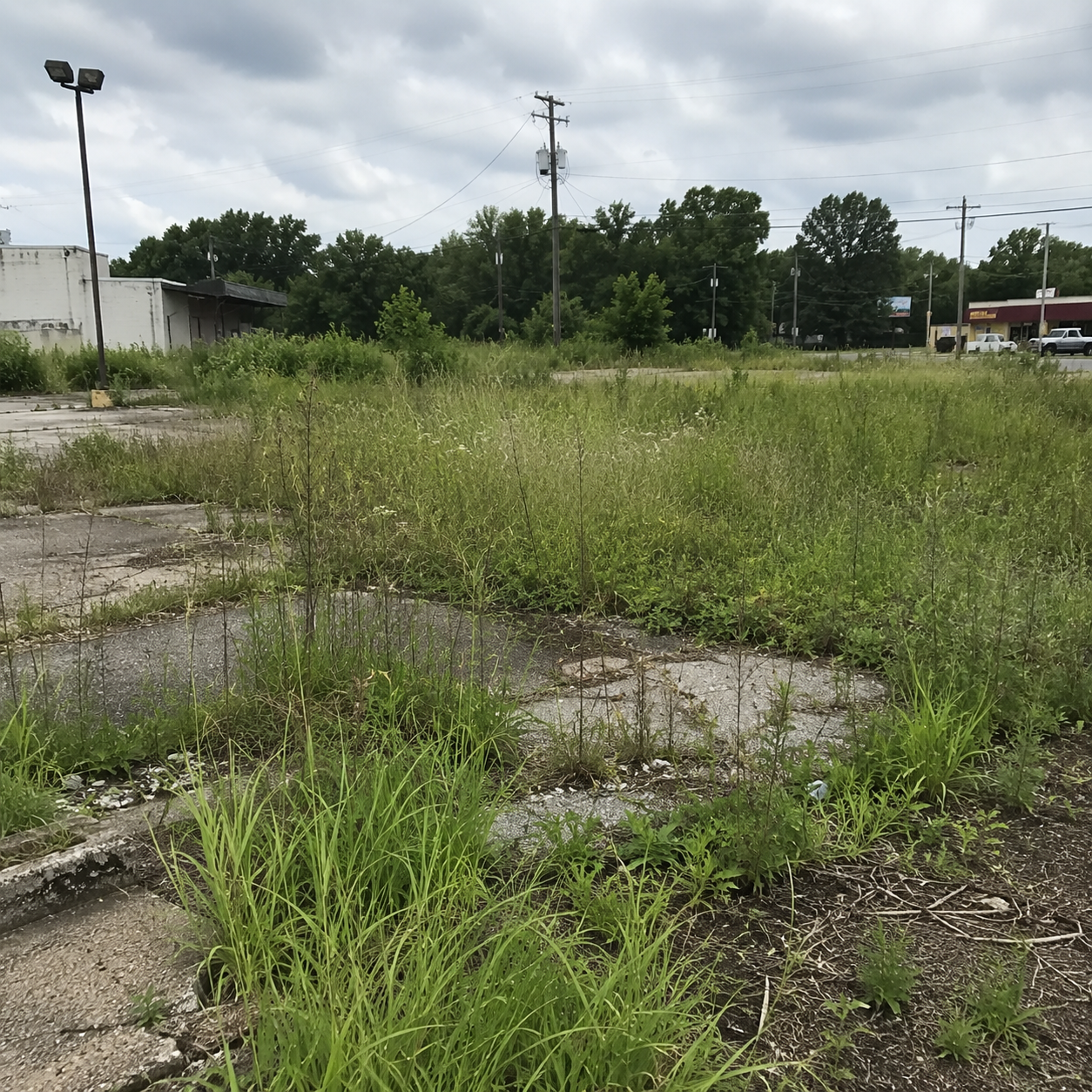
    Atlanta Tax Delinquent land

    Understanding the Fulton County Tax Commissioner’s Office

    Many property owners use “tax commissioner” and “tax assessor” interchangeably, but they’re two separate offices with two very different jobs. Knowing which one handles which part of your tax bill can save you a lot of wasted phone calls and wrong turns when you’re trying to sort something out.

    What the Tax Commissioner Does vs. What the Tax Assessor Does

    The Fulton County Tax Commissioner is an elected official responsible for billing and collecting property taxes — not for deciding how much your property is worth. The Fulton County Georgia tax assessor, officially known as the Board of Assessors, handles valuations, exemptions, and appeals. Once the assessor’s office sets your property’s value and the county, school systems, and city governments set their millage rates, the Tax Commissioner’s office turns that into an actual bill, mails it, and collects payment. If you fall behind, the Tax Commissioner is also the office that handles interest, tax executions (called Fi.Fa.s in Georgia), and, eventually, the tax sale process.

    How to Find the Fulton County Tax Commissioner Website

    The official Fulton County Tax Commissioner website is the fastest way to look up a specific bill, check whether taxes are paid on a property you’re buying or inheriting, and confirm current due dates. Fulton County collects property taxes on behalf of county government, both school systems, the state, and several cities — including Atlanta, Sandy Springs, Johns Creek, Mountain Park, and Chattahoochee Hills — so the Tax Commissioner’s site is the single starting point no matter which city your property happens to sit in.

    From that site, you can typically search for a bill using a full or partial parcel ID, an account number, or a street address, and pull a detailed tax summary for one property or several at once. That’s especially useful for owners managing multiple parcels — heirs splitting an estate, investors holding several lots, or a landlord with more than one rental — since it lets you check every account in one place instead of tracking down paper bills for each one.

    How Property Taxes Work in Fulton County

    Before a bill or a delinquency notice makes sense, it helps to understand where the number on it actually comes from and who’s responsible for each piece of it.

    Your final bill isn’t set by one single entity. It’s the result of your assessed value, multiplied by the combined millage rates set separately by county government, the school system, and (if applicable) your city. That’s why two similarly sized properties on opposite sides of a city line can end up with noticeably different tax bills — the underlying value might be similar, but the taxing authorities layered on top of it aren’t the same.

    How the Fulton County Tax Assessor Sets Your Value

    Understanding valuation matters even if you’re current on your taxes, because an inflated assessment is one of the quiet reasons some accounts fall behind in the first place — a bill that’s higher than expected can catch an owner off guard, especially on a property that hasn’t changed hands or been actively managed in years.

    Each year, the Fulton County Board of Assessors reviews recent sales, property characteristics, and market conditions to set a fair market value for every parcel in the county. That value, minus any exemptions you qualify for, becomes your assessed value. The Board of Assessors’ site lets you look up your current valuation, homestead exemption status, and the process for filing an appeal if you believe your value is off. Filing an appeal doesn’t pause your bill, though — you’re still expected to pay by the due date while it’s pending, with any overpayment refunded later if the appeal succeeds.

    Using the Fulton County GA Tax Assessor Map to Check Your Parcel

    If you’re not sure exactly which parcel a tax bill or delinquency notice refers to — common with inherited land, older surveys, or property with an unclear legal description — the Fulton County GA tax assessor map is the easiest way to confirm it. The county’s GIS parcel search lets you look up a parcel by owner name, address, or parcel ID and see its boundaries, acreage, and assessed value side by side. For a broader view of county-wide GIS layers and other mapping tools, Fulton County’s own maps page is also worth bookmarking.

    Can I Pay Fulton County Property Taxes Online?

    Yes — paying Fulton County property taxes online is available, and for most owners it’s the easiest way to pay, whether your account is current or only recently past due.

    Step-by-Step: Paying Online

    From the Tax Commissioner’s website, you can search for your bill using your address, parcel ID, or account number, then pay by eCheck or credit/debit card (a convenience fee applies to card payments, while eCheck typically doesn’t carry the same fee). No account or registration is required for a one-time payment, and you’ll receive a confirmation once it processes. This is generally the fastest way to confirm a payment has gone through, which matters if you’re racing a due date or trying to stop interest from accruing further.

    Online payment is convenient, but it’s worth double-checking that the browser and connection you’re using are current — older or outdated browsers can sometimes have trouble completing the transaction on county payment portals. If a payment doesn’t go through and you’re close to a deadline, calling the office directly is safer than assuming it processed.

    Other Ways to Pay (Phone, Mail, In Person)

    If you’d rather not pay online, the Tax Commissioner’s office also accepts payment by phone, by mail, or in person at one of Fulton County’s service centers, including locations in Atlanta, Alpharetta, and Sandy Springs. Paying in person can be worthwhile if you’re trying to resolve a more complicated account — for example, one with a partial payment history, a recorded lien, or taxes tied to a property currently in probate.

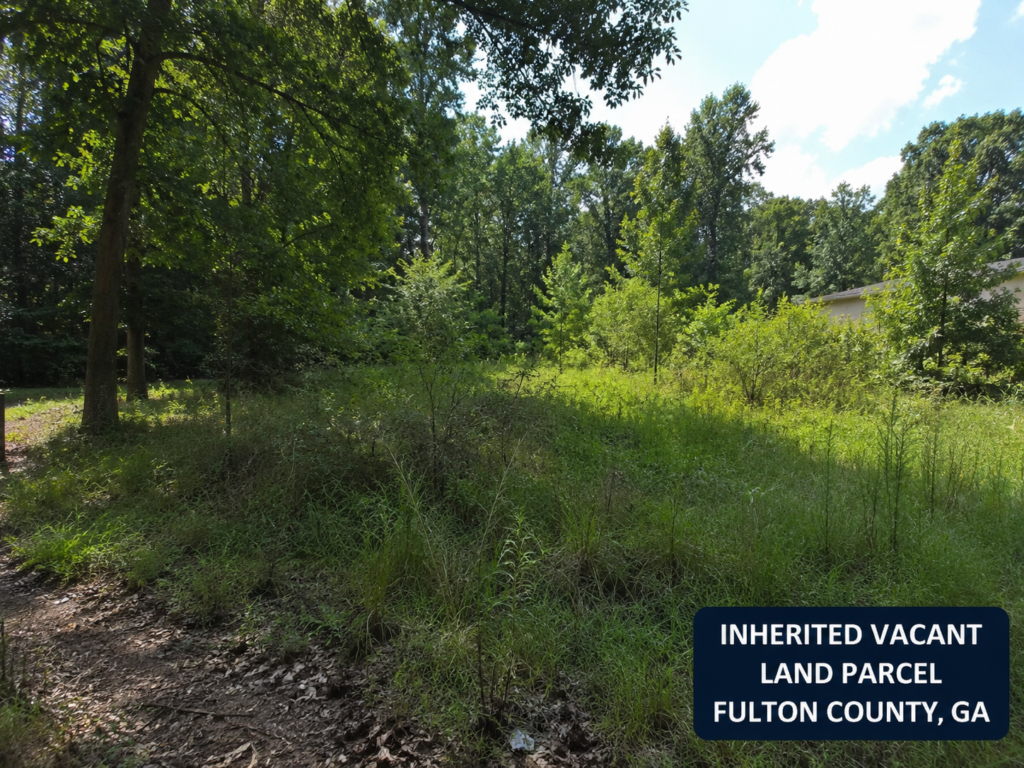
    east point land in Fulton County

    What Happens If You Fall Behind on Fulton County Property Taxes

    This is the part most property owners want to understand, and it’s also where houses, vacant land, commercial property, and apartment buildings start to diverge from one another.

    Interest, Fi.Fa.s, and the Tax Sale Timeline

    Once a Fulton County property tax bill goes unpaid past its due date, interest begins accruing on the balance. If it stays unpaid, the Tax Commissioner can record a Fi.Fa. — short for fieri facias, Georgia’s term for a tax execution — against the property. A recorded Fi.Fa. becomes public record and can complicate refinancing, insurance, or a future sale until it’s resolved. Georgia’s official real estate and lien records are searchable through the Georgia Superior Court Clerks’ Cooperative Authority, which is a useful way to confirm exactly what’s recorded against a specific parcel. If the debt still isn’t resolved after that point, the county can eventually move the property toward a tax sale, typically held on the courthouse steps.

    Even after a tax sale happens, Georgia law gives the original owner a redemption period — generally 12 months from the date of the sale — during which you, or anyone with a legal interest in the property, can reclaim it by paying the purchaser back the amount they paid plus statutory interest and costs. That’s an important safety net, but it’s also an expensive and stressful way to hold onto a property, since the redemption amount grows the longer it takes to pay. It’s almost always better, financially and otherwise, to resolve a delinquent account before it ever reaches the auction step.

    Delinquency Rules for Land, Commercial Property, and Apartments (Not Just Homes)

    Homeowners aren’t the only ones affected. Vacant and inherited land often falls behind quietly, since there’s no mortgage escrow account catching the bill automatically — heirs sometimes don’t even know a parcel exists until a Fi.Fa. shows up in a title search. That’s especially common with land passed down informally across a family for a generation or two, where no single heir has taken clear responsibility for the tax bill.

    Commercial property and apartment buildings follow the same delinquency mechanics, but the dollar amounts involved are usually much larger, which means interest adds up faster and the pressure to resolve it is higher. An owner juggling multiple commercial parcels, or a landlord managing an apartment property through a downturn in rental income, can find a single missed tax cycle turning into a much larger balance within a year or two. Whether it’s a fourth-generation family lot, a strip of commercial frontage, or a small apartment building, the process runs through the same office, the same paperwork, and the same tax sale risk if it’s ignored long enough.

    Fulton County, GA, USA

    Options for Delinquent Property Owners in Fulton County

    Falling behind doesn’t mean you’re out of options, but the choices tend to narrow the longer a balance sits unresolved.

    Payment Plans and Exemptions Worth Checking

    Depending on your situation, it’s worth asking the Tax Commissioner’s office directly whether a payment arrangement is available for your account, and checking with the Board of Assessors whether you’re missing an exemption — homestead, senior, or otherwise — that could lower future bills. Neither step erases back taxes already owed, but both can help prevent the situation from getting worse while you decide on a longer-term plan.

    This is also a good time to confirm your mailing address is correct with both offices. A surprising number of delinquent accounts start with a bill that simply never reached the right person — an heir who moved, an out-of-state owner, or a commercial entity whose registered agent changed. Fixing that alone won’t erase a balance already owed, but it prevents next year’s bill from getting lost the same way.

    When Selling Makes More Sense Than Waiting

    For some owners — especially those holding vacant land, an inherited lot, or a commercial parcel they no longer want to manage — selling is a faster and cleaner path than working through a payment plan on property they don’t plan to keep. At AtlantaLandBuyers.com, we buy Fulton County property as-is, including parcels with back taxes or a recorded Fi.Fa. already filed, and we pay off the outstanding balance directly at closing. That means you’re not choosing between “pay the county” and “sell the property” — the sale itself resolves the debt, and you walk away with what’s left in cash.

    The process usually starts with a quick conversation about the property and, if there’s a tax balance or lien, a look at what’s owed so it can be built into the offer. From there, most sales close in a matter of weeks rather than months, which matters if a Fi.Fa. deadline or tax sale date is approaching. There’s no listing, no showings, and no need to bring the property up to any particular condition first — vacant land, an older house, a half-finished commercial building, and an occupied apartment property are all handled the same straightforward way.

    Frequently Asked Questions

    Who is the Fulton County Tax Commissioner?

    The Fulton County Tax Commissioner is an elected official responsible for billing and collecting property taxes — not for setting property values, which is handled separately by the Board of Assessors.

    How do I find my Fulton County parcel ID?

    Your parcel ID appears on your tax bill, or you can look it up using the county’s GIS parcel search tool by address or owner name.

    Can I pay Fulton County property taxes online?

    Yes. The Tax Commissioner’s website accepts one-time online payments by eCheck or credit/debit card, and no registration is required.

    Can I set up a payment plan for back taxes?

    Payment plan availability depends on your specific account and how far behind it is, so contact the Tax Commissioner’s office directly to ask what’s possible for your property.

    What is a Fi.Fa. in Georgia?

    A Fi.Fa. (fieri facias) is a tax execution recorded against a property when taxes go unpaid. It becomes public record and can affect refinancing, insurance, or a future sale until it’s resolved.

    Will I lose my property immediately if I miss one tax payment?

    No. Missing a single due date typically triggers interest, not an immediate tax sale. The county follows a multi-step process — including a recorded Fi.Fa. and formal notice — before a property can be sold, and Georgia law gives owners a redemption period even after a sale happens. That said, the earlier you address a missed payment, the fewer costs and complications you’ll face.

    Does a tax lien affect my ability to sell my property?

    It doesn’t prevent a sale, but the lien has to be paid off before or at closing. Cash buyers who specialize in as-is purchases, like AtlantaLandBuyers.com, can often handle that payoff directly as part of the transaction.

    Get Help With Delinquent Fulton County Property Taxes

    If you’re behind on Fulton County property taxes and want a straightforward way out — whether it’s a house, vacant land, a commercial parcel, or an apartment building — AtlantaLandBuyers.com can make you a no-obligation cash offer and pay off back taxes or a recorded lien directly at closing. Call (404) 913-7086 or visit atlantalandbuyers.com to get started. There’s no pressure and no cost to find out what your options are.

    Ready To Sell Your Land? Start Here…

    We are direct land buyers. There are no commissions or fees and no obligation whatsoever. Start below by sharing where your property is and where we can send your offer…

    "*" indicates required fields

    Name*
    This field is for validation purposes and should be left unchanged.

  • Title Search for Land in Georgia: Sell Fast in 2026

    Person reviewing land title documents at desk

    A title search for land verifies the legal owner of record and surfaces every recorded claim — liens, judgments, easements, and tax delinquencies — that could block a clean sale. If you want to sell quickly, start with three things right now: locate your full street address or Assessor Parcel Number (APN), confirm your county, and pull the assessor and recorder indices for your parcel.

    The APN matters most for vacant land because street addresses are often unassigned or shared across subdivided parcels. Using the APN prevents record-mixing errors that trip up self-service lookups. Once you have it, check these Georgia county offices in order:

    • County Assessor — confirms ownership and assessed value
    • Tax Commissioner — shows outstanding taxes and delinquency status
    • County Clerk/Recorder (Register of Deeds) — holds all recorded deeds, mortgages, and liens
    • Probate Court — required for inherited property with no formal estate administration
    • Circuit Clerk — searches lis pendens and judgment dockets, which appear in separate indices from the main property record

    Online instant reports from property records websites are useful for a first look, but automated indexes often miss full court dockets and recently recorded instruments. For tax-delinquent or inherited parcels, a licensed Georgia title company or real estate attorney is the only reliable path to a certified title exam. A basic county records check can take a few days; a full professional title examination on a complex parcel may run two to four weeks, depending on how digitized the county’s records are. Many Georgia counties outside metro Atlanta still require in-person document retrieval, which extends that timeline.

    A broken chain of title — common with inherited land — creates a clouded title that prevents transfer until resolved through an affidavit of heirship or a quiet title action. For tax-delinquent parcels, reconcile the assessed value against the tax commissioner’s delinquency ledger, because the two systems update on different schedules and discrepancies can hide payoff amounts that surface only at closing.

    Table of Contents

    Atlantalandbuyers Buys Your Land and Handles the Title Work for You

    Clearing title on vacant, inherited, or tax-delinquent land takes time and expertise most sellers don’t have on hand. Atlantalandbuyers offers a direct alternative: a cash offer for your Georgia parcel, with tax payoffs, lien negotiations, and title coordination handled at closing — no repairs, no agent commissions, and no need to run every county search yourself.

    Agent reviewing property title report with Georgia map
    Atlantalandbuyers
    Infographic depicting five steps of title search process

    To get started, submit your street address or APN, your county, and any deed or probate paperwork you have. Atlantalandbuyers identifies the correct tax jurisdiction, works with a Georgia-licensed title company or attorney when the chain of title needs clearing, and can deliver an initial cash offer within hours. Straightforward parcels can close quickly within a typical short timeframe. Probate cases or quiet title situations take longer, but the company manages that process on your behalf. Owners of inherited land in Georgia and those carrying years of back taxes have used this route to close without the delays of a traditional listing. Request a cash offer today to see what your parcel is worth.


    Key Takeaways

    A title search for land in Georgia requires checking multiple county offices and, for inherited or tax-delinquent parcels, a certified professional examination before a clean transfer is possible.

    PointDetails
    Start with the APNThe Assessor Parcel Number is the most precise identifier for vacant land and prevents record-mixing errors.
    Check five county officesAssessor, Tax Commissioner, Clerk/Recorder, Probate Court, and Circuit Clerk each hold distinct records.
    Instant reports have limitsAutomated online reports miss court dockets and recently recorded instruments; professional review is required for complex parcels.
    Clouded title needs legal actionBroken chains of title from inherited land require an affidavit of heirship or a quiet title action before sale.
    Atlantalandbuyers simplifies the processAtlantalandbuyers buys Georgia land for cash and resolves tax and title issues at closing, with offers possible within hours.
  • How to Sell Land for Cash: Fast, Simple, and Fee-Free

    how to sell land for cash

    You can sell your land for cash, and the process moves faster than most sellers expect. Reputable cash buyers issue a written cash offer within 24–48 hours and close in about 7–14 days. No realtor commissions. No repair requirements. In many cases, the buyer handles title work and covers standard closing costs.

    The single best next step: gather your property’s address, Assessor’s Parcel Number (APN), and county name, then request a written offer from a professional cash buyer. That written offer should show your net proceeds clearly, after any payoffs or fees, so you know exactly what you will receive at closing.

    • Written offer timeline: within 24–48 hours from submission
    • Typical close window: within 7–14 days from accepted offer
    • Seller costs: often zero commissions, zero repair costs, and minimal or no closing fees
    • Properties accepted: vacant, inherited, overgrown, landlocked, and tax-delinquent land

    Pro Tip: Before you contact any buyer, write down your APN (found on your property tax bill) and the county where the land sits. Buyers who can pull county records immediately will give you a more accurate offer faster.

    How does selling land for cash actually work?

    The cash land sale process follows a predictable sequence, and understanding each step helps sellers set realistic expectations and avoid surprises.

    Buyer inspecting vacant land parcel outdoors

    Step 1: Submit property details. Provide the buyer with your APN, street address or GPS coordinates, county, and any photos you have. The more detail you share upfront, the faster the buyer can assess the parcel.

    Step 2: Buyer due diligence. The buyer pulls county records, checks zoning classification, confirms road access, reviews topography, and estimates holding costs. This research phase typically takes 24–48 hours for professional buyers.

    Infographic showing cash land sale process steps

    Step 3: Written cash offer. The buyer presents a net written offer, typically within 24–48 hours after receiving your property details. A legitimate offer states the exact dollar amount you will receive after any agreed payoffs, with no vague language about “estimated” proceeds.

    Step 4: Contract and title work. Once you accept, the buyer sends the contract to a licensed title company or real estate attorney. That party handles the title search, resolves any recorded issues, and prepares closing documents. This phase commonly takes 7–21 days depending on title complexity.

    Step 5: Close and receive funds. At closing, funds are delivered by wire transfer or check. For out-of-state sellers, remote closing options include overnighted documents or a mobile notary who meets you locally.

    StageWho ActsTypical Timeframe
    Property submissionSellerSame day
    Due diligence and offerBuyer24–48 hours
    Contract to title companyBuyer1–3 days after acceptance
    Title search and clearanceTitle company / attorney7–14 days
    Closing and fundingTitle company1–2 days after clearance

    Who actually buys land for cash, and what will they purchase?

    Not every cash buyer accepts every type of parcel. Knowing which buyer category fits your property saves time and sets realistic price expectations.

    Institutional and professional cash buyers are companies that purchase land at scale. They accept vacant, overgrown, inherited, landlocked, and tax-delinquent parcels. These buyers handle title work, negotiate lien payoffs, and typically cover standard closing costs. They are the most practical option for sellers with complicated title histories or back taxes.

    Individual investor buyers tend to focus on smaller parcels with clear road access and straightforward title. They may offer competitive prices on clean properties but often lack the infrastructure to resolve complex title problems independently.

    Local developers and flippers prefer larger parcels with development potential, proximity to utilities, and zoning that supports residential or commercial use. Their offers can be strong for the right property, but they are selective and may require a longer due-diligence period.

    Niche buyers such as timber companies, mineral rights investors, and conservation land trusts purchase only properties that match very specific criteria. Timber buyers want acreage with merchantable timber. Conservation groups need parcels that qualify for easements or habitat programs. These buyers rarely advertise broadly.

    • Professional buyers: handle back taxes, liens, and title issues at closing; cover many standard closing costs
    • Individual investors: best for clean, small parcels; limited ability to resolve title problems
    • Developers: highest offers for development-ready land; slower process and stricter criteria
    • Niche buyers: narrow criteria; strong prices when the property qualifies

    What factors determine your cash offer amount?

    Cash offers on raw land are almost always below retail market value. That gap exists for specific, calculable reasons, and understanding them helps sellers evaluate whether an offer is fair.

    Agent comparing land sale comparables in office

    Comparable sales (comps) are the starting point. Buyers pull recent sales of similar parcels in the same county or region. Sparse comp data in rural areas increases the buyer’s uncertainty and typically widens the discount.

    Zoning and permitted use directly affect resale potential. Agricultural-only zoning limits the buyer pool. Residential or mixed-use zoning expands it, which supports a higher offer.

    Road access is one of the most consequential factors. A landlocked parcel with no legal access easement can lose a significant portion of its value because the buyer must either negotiate access or accept a smaller resale market.

    Utilities and topography matter for development-oriented buyers. Flat land near water and power hookups commands more than steep, remote acreage with no utility infrastructure.

    Carrying costs reduce every offer. Buyers factor in property taxes, insurance, marketing costs, and the time they expect to hold the parcel before resale. A parcel that might sit on the market for 12 months accumulates real costs that come out of the offer price.

    Title issues and liens are deducted from proceeds. If a parcel carries $8,000 in back taxes, a professional buyer will typically calculate that payoff into the offer and handle it at closing, rather than asking the seller to clear it beforehand.

    Pro Tip: Clearing physical access to your property before requesting an offer, even just marking a driveway path or confirming a recorded easement, can increase your offer more than the cost of the work. Buyers price access risk heavily.


    How do you choose a reputable cash land buyer?

    The cash land buying market includes professional companies with documented track records and, unfortunately, less credible operators. A structured vetting process protects sellers.

    The checklist every seller should use

    1. Request a written net offer that states your exact proceeds after payoffs.
    2. Confirm in writing who pays closing costs: title search, title insurance, recording fees, and transfer taxes.
    3. Ask for the name of the title company or closing attorney the buyer uses.
    4. Request proof of funds or a bank letter confirming the buyer can close without financing.
    5. Review earnest deposit terms: how much, when it is paid, and what triggers a refund.
    6. Ask for documented case examples or references from past sellers.

    Questions to ask before signing anything

    • How do you handle back taxes or recorded liens at closing?
    • Will you provide a written timeline with specific milestone dates?
    • Who coordinates with the title company, and will I receive copies of all title documents?
    • What happens if the title search uncovers an issue you did not anticipate?

    Red flags that signal a problematic buyer

    • Vague verbal offers with no written documentation
    • Requests for upfront fees before closing
    • Pressure to sign quickly without time to review the contract
    • Insistence on using an escrow arrangement outside a licensed title company or attorney
    • No verifiable business presence, reviews, or case examples

    Pro Tip: Ask the buyer to itemize closing costs in the offer letter itself: which costs they cover and which, if any, fall to you. A buyer who refuses to put that in writing is a buyer worth walking away from.


    What documents and title issues should you prepare for?

    Preparation shortens the closing timeline. Sellers who gather key documents before requesting an offer give buyers what they need to move quickly.

    Documents to collect

    • Current deed (warranty deed, quitclaim deed, or executor’s deed for inherited land)
    • Most recent property tax bill (confirms APN and tax status)
    • Mortgage statements, if any balance remains
    • Recorded easements or right-of-way documents
    • Survey, if one exists
    • For inherited land: death certificate, probate court order or letters testamentary, and any recorded affidavit of heirship

    Common title issues that slow closings

    • Undisclosed heirs: multiple potential owners from an estate that was never formally probated
    • Unpaid property taxes: accumulate interest and penalties; must be resolved before or at closing
    • Judgment liens: creditor claims recorded against the owner that attach to the property
    • Unclear legal description: outdated metes-and-bounds descriptions that do not match current county records
    • Missing or broken chain of title: gaps in recorded ownership history that require a quiet title action

    Professional buyers who handle tax-delinquent properties routinely calculate back-tax payoffs into the offer and clear those balances at closing. Sellers do not need to raise cash to clear title before the sale. That payoff is simply deducted from proceeds.

    Closing Cost ItemTypically Paid By
    Title searchBuyer (in most cash sales)
    Owner’s title insuranceNegotiated; often buyer
    Recording feesBuyer or split
    Transfer taxesVaries by state and county
    Back-tax payoffsDeducted from seller proceeds at closing
    Realtor commissionsNone in a direct cash sale

    What are the alternatives to a direct cash sale?

    A cash sale is not the only path. Each alternative involves a different tradeoff between net proceeds, time, and complexity.

    • Traditional agent listing: likely produces a higher gross sale price, but realtor commissions on land typically run 6–10%, and land listings often sit on the market for six months or longer. Carrying costs accumulate throughout.
    • Owner financing / land contract: the seller acts as the lender, collecting monthly payments from the buyer. This can increase total proceeds and generate income, but it creates borrower-default risk and requires the seller to manage collections.
    • Auction: fast, but net proceeds are unpredictable. Reserve prices are not guaranteed, and auction fees reduce the final amount. Tax sales in particular often produce below-market results.
    • Installment sale / seller carry-back: similar to owner financing; useful for sellers who want income spread over time, but it ties up capital and exposes the seller to buyer credit risk.

    A direct cash sale fits best when speed matters more than maximizing gross proceeds, when the property has title or tax problems that would deter financed buyers, or when the seller simply wants a clean, documented transaction without managing a listing.


    Why do cash buyers exist for land at all?

    Banks and conventional lenders treat raw land as a high-risk asset. Without a structure on the property, there is no rental income to service a loan and limited collateral certainty. Appraisals on vacant land are harder to substantiate, and resale timelines are unpredictable. As a result, most lenders either refuse land loans outright or require large down payments and short terms that most buyers cannot meet.

    That financing scarcity shrinks the pool of eligible buyers dramatically. Fewer buyers means longer time on market, which raises carrying costs for sellers. Cash buyers step into that gap. They accept the liquidity risk and the holding-period uncertainty in exchange for a purchase price below retail. The seller trades some net proceeds for speed, certainty, and the elimination of commissions and carrying costs. For sellers with vacant land in Georgia carrying back taxes or title complications, that tradeoff is often the most practical available.

    Professional buyers who advertise written cash offers within 24–48 hours and closings in 7–14 days are pricing that certainty into their model. The offer reflects their cost to carry, market, and resell the parcel, plus a margin for resale risk.


    Key Takeaways

    Selling land for cash is a straightforward process when sellers know what to ask for, what to prepare, and how to vet the buyer before signing.

    PointDetails
    Get a written net offerConfirm your exact proceeds after payoffs; never accept a verbal or estimated figure.
    Verify buyer credentialsCheck proof of funds, the title company they use, and documented case examples before signing.
    Back taxes and liensProfessional buyers typically handle payoffs at closing; confirm this in writing before you agree.
    Cash vs. listing tradeoffA cash sale saves commissions and carrying costs; weigh that against a potentially higher retail price.
    AtlantalandbuyersPurchases vacant, inherited, and tax-delinquent land in Georgia with written offers in 24–48 hours and closings as fast as 7–14 days.

    Why sellers should demand more from cash buyers

    The cash land sale market has matured, but it still rewards sellers who ask the right questions. The most common mistake sellers make is treating a fast offer as a good offer without verifying what that offer actually nets them. A buyer who advertises a $40,000 offer but deducts $6,000 in “processing fees” at closing is not offering $40,000. A written net offer eliminates that ambiguity entirely.

    Inherited and out-of-state sellers face an additional layer of complexity. Probate requirements, multiple heirs, and unfamiliar county tax systems can make a property feel unsellable. The reality is that professional buyers handle these situations regularly. Remote closings, mobile notaries, and overnighted documents mean a seller in another state can complete the entire transaction without traveling. What matters is choosing a buyer with documented experience in those specific scenarios, not just one who claims to handle them.

    Documented testimonials and real case examples are not marketing extras. They are evidence that a buyer has navigated the exact type of title or tax problem a seller is facing. Request them before signing. A buyer with nothing to show has not done the work.


    Atlantalandbuyers serves Georgia sellers with a clear, direct process

    Georgia landowners dealing with vacant parcels, inherited lots, or properties carrying back taxes have a direct option in Atlantalandbuyers. The company purchases land across Georgia as-is, with no repair requirements and no realtor commissions. Written cash offers arrive within 24–48 hours of submission, and closings typically complete in 7–14 days.

    Atlantalandbuyers

    Atlantalandbuyers handles title work, coordinates with a local title company, and pays off back taxes or liens directly at closing, deducting those amounts from proceeds rather than requiring sellers to clear them in advance. That process covers markets across Georgia, including Roswell and Sandy Springs, with the same remote-closing capability for out-of-state owners. Out-of-state sellers can complete the entire transaction by mail or through a mobile notary, without a single trip to Georgia.

    To get started, submit your property’s address, APN, and county through the Georgia land sale page. A written offer follows within 24–48 hours.


    Sources and where to check next

    Sellers can verify property details, tax status, and title records through several authoritative channels before or during the sale process.

    Where to pull APN, tax history, and recorded documents

    • County assessor’s office: confirms APN, current assessed value, and ownership records
    • County recorder or registrar of deeds: provides recorded deeds, easements, liens, and judgment records
    • County tax commissioner or treasurer: shows current tax balance, penalties, and payment history
    • USDA Farm Service Agency (FSA): relevant for agricultural parcels; confirms farm program eligibility and acreage data
    • USDA Natural Resources Conservation Service (NRCS): soil maps and conservation program data for rural land

    Internal pages for next steps

    1. How to sell land without a real estate agent in Atlanta, Georgia — step-by-step guidance for sellers avoiding commissions
    2. Who buys vacant land with back taxes in Atlanta? — explains how buyers handle tax payoffs at closing
    3. Land buyers in Georgia: how to sell your land fast — quick-sale strategies and what professional buyers look for
    4. Out-of-state seller guidance — remote closing options, mobile notary, and document delivery

    This article is general information, not legal or financial advice. Tax rules, title requirements, and closing-cost responsibilities vary by state and county. Confirm current rules with your county recorder, a licensed real estate attorney, or a qualified professional for your specific situation.

  • Affidavit of Heirship Georgia: Clear Title to Sell Fast

    affidavit of heirship georgia

    A recorded affidavit of heirship in Georgia will not, on its own, produce marketable title for a real-estate sale. Georgia title companies typically require a court order before issuing title insurance on inherited property, and the standard route is a Petition for an Order Declaring No Administration Necessary under O.C.G.A. §53-2-40, filed in Georgia Superior Court. When a specialist cash buyer handles the curative work, sellers can often close in 7–14 days.

    Three steps to protect your ability to sell quickly:

    • Confirm how title passed. If the deceased held the property in joint tenancy with right of survivorship or through a beneficiary deed, title may have transferred automatically without court action. Check the recorded deed first.
    • Gather core documents. You will need the death certificate, the current deed, any existing will, contact information for all heirs, and recent tax records.
    • Contact a probate attorney or a specialist cash buyer. Atlantalandbuyers handles curative filings, back-tax payoffs, and remote closings for out-of-state heirs, which can compress a process that would otherwise take months.

    Table of Contents

    Georgia separates heirship from marketable title. Knowing you are an heir does not automatically give you title a buyer can insure. The three practical paths below differ significantly in speed, cost, and court involvement.

    1. Petition for Order Declaring No Administration Necessary (O.C.G.A. §53-2-40)

    This is the fastest court route when all heirs agree. The petitioner files in Georgia Superior Court, attaches a signed agreement from every heir describing the agreed division and the legal description of the property, and demonstrates that no unknown heirs of equal or closer degree exist. The court then issues an order that can be recorded to clear title. Notice requirements include publication or personal service on any non-joining parties. Because unanimous consent is required, one uncooperative heir makes this path impractical.

    Infographic outlining legal steps to clear title in Georgia

    2. Formal probate or administration

    When heirs disagree, debts exist, or a creditor has filed a claim, formal probate administration through the probate court is the appropriate path. A court-appointed administrator manages the estate, pays creditors, and distributes remaining assets. This route takes longer and costs more, but it produces a court order that title companies accept without exception. Consulting a probate attorney is strongly recommended whenever heirs are missing, a minor heir is involved, or the estate carries significant debt.

    3. Where affidavits of descent fit in

    An affidavit of descent (sometimes called an affidavit of heirship) documents family facts under oath and can support a petition, but it rarely substitutes for a superior-court decree when a title company needs to issue insurance. DIY affidavit forms downloaded online are frequently rejected at closing. Use an affidavit as a supporting document, not a standalone solution.

    Hands signing affidavit of heirship document

    Pro Tip: If you have a missing heir or a minor heir, the court may appoint a guardian ad litem before the petition can proceed. Flag this situation to your attorney or cash buyer at the start, not after you have already filed.

    Required documents and realistic timelines

    DocumentWhy it is needed
    Death certificateEstablishes date of death and triggers heirship analysis
    Current recorded deedConfirms how title was held and identifies the legal description
    Signed heir agreementRequired attachment for the O.C.G.A. §53-2-40 petition
    Will (if any)Determines whether intestate or testate rules apply
    Tax records and receiptsShows delinquencies; required by title company and buyer
    Affidavits of descentSupporting evidence for the petition; not a standalone instrument
    Proof of service or publicationSatisfies notice requirements for non-joining heirs

    Fast path with attorney or cash buyer: 2–6 weeks for the petition; cash deals that include curative work often close in 7–14 days because the buyer advances costs and coordinates filings in parallel.

    How liens and back taxes are handled at closing

    In a cash sale, the buyer typically estimates the full payoff amount for any back taxes or liens before making an offer, then either advances those amounts at closing or deducts them from the purchase price. You do not need to resolve tax delinquencies before accepting an offer. Sellers who want to understand how back taxes affect net proceeds before signing anything can request an itemized breakdown from the buyer upfront.

    Pros and cons at a glance

    O.C.G.A. §53-2-40 petition:

    • Fast (2–6 weeks), lower cost than full probate, produces a recordable court order
    • Requires unanimous heir consent; one holdout blocks the entire process

    Formal probate/administration:

    • Handles debts, creditor claims, and disagreements; produces unambiguous title
    • Slower (months to over a year), higher attorney fees

    Affidavit of descent alone:

    • Inexpensive and quick to prepare
    • Rarely accepted by title companies for real-estate sales; carries title risk

    Atlantalandbuyers handles the curative work so you can close fast

    Inherited land with title complications does not have to mean months of legal limbo. Atlantalandbuyers purchases inherited land across Georgia and manages the curative process from start to finish, including petition filing coordination, attorney referrals, back-tax payoffs, and remote closings for out-of-state heirs.

    Atlantalandbuyers

    No realtor commissions apply, and the buyer covers curative costs, either advancing them at closing or reflecting them in the offer. Cash offers typically arrive within hours of a property review, and most transactions close within 7–14 days once curative work is underway. If your situation involves back taxes, a lien, or heirs in multiple states, request a cash offer at atlantalandbuyers.com/georgia to get a clear picture of your net proceeds and a realistic closing timeline.

    Key Takeaways

    A Georgia affidavit of heirship alone will not clear title for a real-estate sale; a court order under O.C.G.A. §53-2-40 or formal probate is required before a title company will issue insurance.

    PointDetails
    Affidavit alone is insufficientGeorgia title companies require a court order, not just a recorded affidavit, to issue title insurance on inherited property.
    O.C.G.A. §53-2-40 is the fastest court pathThe no-administration petition works when all heirs agree and sign the required division agreement.
    Formal probate covers disputes and debtsWhen heirs disagree or creditors exist, full probate administration is the only reliable route.
    Cash sales can close quickly once curative filings and tax payoffs are coordinatedA specialist buyer who coordinates curative filings and tax payoffs can compress the timeline significantly.
    Atlantalandbuyers manages the full processThe company handles title curative work, back-tax payoffs, and remote closings for inherited Georgia land.
  • How Much Should I Sell My Land For if I Inherited it?

    Inheriting land can be a big financial gain. But figuring out the right selling price is tricky. You might wonder, how much should you sell your land for? This article will help you understand how to value your inherited land and get a fair price.

    how much should i sell my land for

    Key Takeaways

    • Understand the various factors that influence the value of inherited land, including location, zoning, and development potential.
    • Learn about the importance of professional appraisals in determining the fair market value of your property.
    • Discover strategies to maximize the sale price of your inherited land, such as timing the market and making strategic improvements.
    • Explore the benefits of working with real estate professionals and legal advisors to navigate the complexities of inherited property sales.
    • Stay informed about current market trends and comparable sales to make informed decisions about pricing your inherited land.

    Understanding the Value of Inherited Land Property

    Getting land from a family member can be tricky. Figuring out its market value is complex. The value depends on many things, like the type of inheritance, legal stuff, and the land itself.

    Types of Land Inheritance Scenarios

    There are different ways to get land, like from a family member who passed away or a share of a big piece of land. Each situation has its own challenges when valuing the property.

    • Inheriting a single, standalone parcel of land
    • Receiving a portion of a larger, shared land ownership
    • Acquiring land through a trust or estate settlement

    Common Challenges in Inherited Land Valuation

    Valuing inherited land is hard because of many factors. Knowing these challenges helps you deal with the land appraisal better.

    1. Determining the accurate size and boundaries of the property
    2. Assessing the current condition and potential of the land
    3. Accounting for any outstanding liens, encumbrances, or legal issues
    4. Estimating the potential development or agricultural value of the land

    Legal Considerations for Inherited Property

    Legal stuff is key when dealing with inherited land. Knowing these points helps make the sale or valuation smoother.

    Legal ConsiderationPotential Impact on Inherited Land Value
    Estate taxesInherited land may be subject to estate taxes, which can affect the net value received by the inheritor.
    Title and ownership issuesUnclear or disputed ownership can complicate the property valuation and sale process.
    Zoning and land use regulationsRestrictions on how the land can be used may impact its overall value.
    land appraisal

    It’s important to understand the special things about inherited land and legal matters. Knowing these helps you value it right. This way, you can make smart choices about your inherited land’s future.

    How Much Should I Sell My Land For: Key Factors to Consider

    Finding the right price for inherited land can be tricky. It depends on many factors that affect its value. Knowing the current land market and your land’s special features is key to setting a good price.

    The location of your land is very important. Its value can change a lot based on where it is. Things like being close to cities, roads, and other nice places matter a lot. The size and topography of the land also play a big role in its value.

    What you can do with the land is another big factor. Can you build houses, businesses, or farms on it? The rules about what you can do and the land’s potential for growth affect its value. If the land has natural resources like timber or minerals, that adds even more value.

    Key FactorsImpact on Acreage Value
    LocationProximity to urban centers, transportation, and amenities
    Size and TopographyUsability and market appeal
    Potential UsesZoning regulations and development potential
    Natural ResourcesTimber, mineral deposits, and other valuable features

    By looking at these important factors and the current land market, you can decide on a fair price for your land. This way, you get a good deal and make the most of your property’s value.

    land market trends

    Professional Land Appraisal Methods and Importance

    Getting a professional land appraisal is key when figuring out your inherited land’s value. Appraisers look at many things like location, zoning, and market trends. Knowing how they work can help you get a good price for your land.

    Different Appraisal Approaches

    There are three main ways to value land: sales comparison, cost, and income. The sales comparison method uses similar property sales nearby. The cost method calculates what it would cost to build the land and any improvements. The income method looks at how much the land could make from renting or investments.

    Cost vs. Benefits of Professional Appraisal

    Even though a professional appraisal costs money, it’s worth it. It helps you set a fair price, avoid mistakes, and talk better with buyers. It also gives you a solid value for taxes or loans.

    Understanding Appraisal Reports

    Appraisal reports detail the property, the appraiser’s methods, and the value. It’s key to read it well to know what affects the value. This info can also help you improve the property or talk better with buyers.

    Knowing about land appraisal helps you make smart choices about selling your inherited property. Whether you use a real estate agent or sell it yourself, a good appraisal is crucial. It helps you get the most out of your investment.

    Appraisal ApproachDescriptionAdvantagesDisadvantages
    Sales ComparisonCompares the subject property to recently sold, similar properties in the area.Provides a reliable market value based on actual sales data.Relies on availability of comparable sales data, which may be limited.
    CostEstimates the cost to replace the land and any improvements.Useful for new or unique properties with limited sales data.Doesn’t account for factors like location and market demand.
    IncomeConsiders the property’s potential rental income or investment returns.Helpful for income-producing properties like commercial or investment properties.Relies on accurate estimates of rental income and expenses.

    “An accurate land appraisal is essential in determining a fair price for your inherited property. It provides the necessary data to make informed decisions and negotiate effectively with potential buyers.”

    Current Market Analysis and Land Value Trends

    When figuring out the fair market value of inherited land, it’s key to look at current trends. Knowing what’s happening in the local and national land markets helps set a good selling price for your property.

    The land market trends have changed a lot lately. Both real estate pricing and farmland pricing have seen big shifts. Things like the economy, government rules, and what people want have all played a part in these changes.

    Land TypeAverage Price per Acre (2022)Average Price per Acre (2021)Year-over-Year Change
    Farmland$5,800$5,5005.5% increase
    Residential Land$45,000$42,0007.1% increase
    Commercial Land$75,000$70,0007.1% increase

    By studying the current land market trends, you can learn a lot about your property’s sale price. This knowledge helps you make smart choices and get a good offer when selling your land.

    “Understanding the local market dynamics is essential when determining the value of inherited land. Staying up-to-date with the latest real estate pricing and farmland pricing trends can help you maximize the return on your investment.”

    Property Features That Impact Land Value

    Several key property features can greatly affect the value of inherited land. These include the location, accessibility, zoning, and development potential. Knowing these factors helps in understanding the land market trends and setting a fair sale price.

    Location and Accessibility

    The land’s location is a major value driver. Properties near major roads and amenities tend to be more valuable. The quality of nearby infrastructure and scenic views also play a role in its value.

    Zoning and Development Potential

    Zoning and development potential are crucial. Properties with favorable zoning for various uses have higher values. Land with development potential, like vacant lots, can also be more valuable.

    Natural Resources and Environmental Factors

    Natural resources like timber and minerals can increase land value. Environmental factors, such as soil quality and disaster risks, also matter. Landowners should consider these when setting a fair market value.

    Property FeatureImpact on Land Value
    Location and AccessibilityHigher value for properties with easy access and high visibility
    Zoning and Development PotentialMore valuable for land with favorable zoning and development potential
    Natural Resources and Environmental FactorsIncreased value for land with valuable natural resources and favorable environmental conditions

    Understanding these property features helps inheritors set a fair market price. This ensures a successful sale and maximizes their return on investment.

    Determining Fair Market Value Through Comparable Sales

    Figuring out the fair market value of your inherited land is easier with comparable sales. Look at recent sales of similar properties in the same area. This helps you understand the market and set a good price for your land.

    To start, find properties like yours. Look at:

    • Location (within the same neighborhood or municipality)
    • Size and acreage
    • Zoning and development potential
    • Presence of natural resources or environmental features
    • Accessibility and infrastructure

    After finding some comparable sales, dive into the details. Look at the sale prices and any deals made during negotiations. This will help you find a fair value range for your land.

    “Comparable sales analysis is a powerful tool for establishing a realistic and competitive price for your inherited land. By comparing your property to recent real estate transactions, you can make an informed decision about the fair market value.”

    The fair market value is what a buyer and seller agree on in a fair deal. By studying land appraisal and real estate pricing, you can set a good value for your land. This way, you can get the most out of selling it.

    Strategies to Maximize Your Inherited Land’s Sale Price

    Inheriting land can be a big deal, but getting the best price is key. Here are three main ways to sell your inherited land for top dollar.

    Timing Your Sale

    The time you sell your land matters a lot. Look at the market, seasons, and local development plans. By watching the market and selling when demand is high, you can maximize land sale and get the best land sale tips.

    Property Improvements

    Small improvements can greatly increase your land’s value. Think about fixing roads, clearing up, or solving zoning or environmental problems. These changes can draw in more buyers.

    Marketing Strategies

    • Good marketing is essential for selling inherited land. Use online sites, real estate listings, and ads to find buyers.
    • Point out what makes your land special and its growth potential. Show how it stands out from other land.
    • Working with a real estate expert can help with pricing, marketing, and getting a good deal.

    Using these strategies can help you maximize land sale. You’ll get the best land sale tips and make the most money from your inherited land.

    Working with Real Estate Professionals and Legal Advisors

    When you sell inherited land, working with experts is key. Real estate agents offer insights into the local market. They help with pricing and marketing to get the best price for your land. Legal advisors help with the legal side, solving ownership issues and ensuring a smooth sale.

    Finding the right real estate agent is important. Look for someone experienced in land sales. They should know the local market well and have a good network of buyers. Interview several agents and choose the one who understands the challenges and opportunities of selling inherited land.

    Also, having a good real estate attorney is crucial. They can help avoid problems and guide you in making smart decisions. They’ll deal with zoning laws, liens, and ensure the sale follows all laws. Their help can increase your land’s value and protect your rights.

    FAQ

    How do I determine the value of my inherited land?

    To find out your inherited land’s value, you need to consider a few things. First, get a professional appraisal. Then, look at similar sales in the area. Lastly, think about what the land can be used for.

    What are the common challenges in inherited land valuation?

    Valuing inherited land can be tricky. You might face unclear ownership or title problems. You also need to figure out the best use for the land. Plus, zoning and environmental rules can affect its value.

    What legal considerations should I be aware of when selling inherited land?

    When selling inherited land, watch out for estate and capital gains taxes. Also, check for any liens or debts on the property. A legal advisor can guide you through these issues.

    How do I find the current market value of my inherited land?

    To find your land’s market value, look at recent sales of similar properties. This is called “comparable sales.” A professional appraisal can also help you understand its value.

    What property features influence the value of my inherited land?

    The value of your land depends on several factors. Location, accessibility, and zoning are key. Natural resources and environmental factors also play a role. Knowing these can help you price your land right.

    How can I maximize the sale price of my inherited land?

    To get the best price for your land, time the sale right. Make smart improvements and use good marketing. Working with real estate pros and lawyers can also help you sell for more.

    Why is it important to work with real estate professionals and legal advisors when selling inherited land?

    Real estate pros and lawyers offer valuable help when selling land. They guide you through legal and regulatory hurdles. They also help you get a fair price and market your land well.

  • Who Buys Vacant Land With Back taxes in Atlanta?

    Ever thought your neglected Georgia property might be a financial risk? Many owners feel stuck when they see their unpaid taxes growing. Taking action now is key to avoid losing your property to a forced sale.

    commercial land in atlanta

    Dealing with unpaid real estate taxes can be tough for locals. But, there are experts ready to help you tackle these issues. This guide will show you how to find reliable partners to clear your debt and feel at ease again.

    Key Takeaways

    • Unpaid property levies can lead to severe legal consequences and total loss of ownership.
    • Acting quickly helps you avoid expensive penalties and interest accumulation.
    • Local experts offer viable solutions for owners struggling with financial burdens.
    • Understanding your options is the first step toward clearing your title.
    • Professional guidance provides a clear path to resolving complex real estate debt.

    Understanding the Tax Foreclosure Process in Georgia

    Georgia has a clear process for handling unpaid property taxes. If taxes aren’t paid, the county can sell the property to get the money back. Knowing this process is key for protecting your property.

    How long can property taxes go unpaid in georgia

    Many wonder how long they can ignore property taxes in Georgia before the county acts. The exact time varies by area, but it starts after the tax deadline. If taxes aren’t paid, the county can put a lien on the property.

    If the debt isn’t paid, the county can hold a tax sale. But, Georgia law gives the original owner a chance to buy back the property. This is called the right of redemption period.

    The risks of ignoring delinquent tax notices

    Ignoring tax office notices is risky and can lead to big financial problems. These notices warn that your property might be sold for unpaid taxes. Not responding lets the county proceed without waiting.

    Ignoring these notices also means you’ll face more interest and fees. These costs can make the debt much harder to pay off. Acting early is the best way to avoid losing your property.

    Navigating the Fulton County tax commissioner resources

    In Atlanta, the Fulton County Tax Commissioner has tools to help with taxes. Their website has info on taxes, payment options, and deadlines. Using these resources keeps you up-to-date on your property.

    If you’re struggling with taxes, check the Fulton County Tax Commissioner website first. You can see your balance and look at payment plans. Staying informed helps you keep control of your property.

    Who Buys Vacant Land With Back taxes in Atlanta

    Many people wonder who buys vacant land with back taxes in Atlanta. This is a common problem for property owners. It turns their land into a financial burden instead of an asset. Knowing your options is the first step to solving these issues.

    Why traditional real estate agents often avoid tax-burdened land

    Traditional real estate agents focus on properties ready for sale. But, land with tax liens has a clouded title. This makes it hard to transfer.

    Clearing a title can take months of talks with local offices. Agents see these properties as risky. They often don’t list land needing legal cleanup before sale.

    The role of professional land investment companies

    Professional land investment firms are different. They are vacant land buyers atlanta with the money to buy any property. They have teams for paperwork and talks with tax offices.

    Working with these investors can skip the usual listing process. They offer a quick way to sell, perfect for those with tax debts. They focus on:

    • Checking titles for all liens.
    • Talking directly with tax offices to settle debts.
    • Making fair cash offers, including title costs.

    What to look for in a reputable local land buyer

    When looking for vacant land buyers in atlanta, check them well. A good buyer is open about their process and tax-delinquent property handling. Choose companies with a strong local presence and successful deals.

    Look for clear talk and professional behavior in your first meeting. A reliable investor won’t rush you and will show all sale details. Consider these when choosing a buyer:

    • Check for positive feedback from other landowners.
    • Make sure they have a real office or local business registration.
    • Ask how they figure out their cash offer.

    Benefits of Selling Your Tax-Delinquent Land to Local Investors

    If you need to sell my land fast Atlanta, a professional buyer can help right away. Many people are stuck with tax debt and legal issues. Local investors offer a quick solution that focuses on your needs, not market trends.

    a car that is sitting in the grass

    Speed and convenience in the closing process

    Real estate deals often take months because of inspections and financing. But, local land buyers do cash deals that skip these steps. You can close in days, freeing you from tax worries fast.

    Avoiding the costs of clearing title liens

    Clearing title with back taxes is costly and time-consuming. It needs legal help. Professional investors handle these issues, saving you thousands in legal fees.

    “The most effective way to resolve a distressed property situation is to partner with a buyer who understands the local tax landscape and can provide an immediate, fair cash offer.”

    Local Real Estate Analyst

    Selling land in any condition without repairs

    You don’t have to fix up the land to sell it. Local investors buy properties in as-is condition. This means no maintenance costs or physical work for you.

    FeatureTraditional SaleLocal Investor
    Closing Time3-6 Months1-3 Weeks
    Repairs NeededRequiredNone
    Tax LiensOwner ResponsibilityInvestor Handles
    Agent Fees6% CommissionZero

    Why Atlanta Land Buyers is your best local option

    Choosing Atlanta Land Buyers means working with experts in tax-delinquent properties. We buy land in any condition, offering fair offers without the hassle of traditional sales. Ready to sell my land fast Atlanta? Our local knowledge makes us the perfect partner for you.

    Conclusion

    Handling tax-delinquent land in Georgia needs a solid plan to protect your money. You don’t have to tackle these tough legal issues alone. Professional help is available right in your area.

    Local experts offer a way to clear up outstanding debts without the usual stress. When you team up with a reliable group, you’ll feel at ease. They’ll take care of your property problems. We help atlanta land owners sell their properties fast.

    Our team at Atlanta Land Buyers is great at buying land in any shape. We make the deal easy for you, so you don’t have to deal with liens or costly fixes. We offer fair prices for atlanta land owners who want to sell.

    If you’re ready to tackle your tax issues, contact our team today. Visit https://atlantalandbuyers.com to talk about your property needs. Let us guide you to a quick and fair solution for your land.

    Atlanta, GA 30307, USA

    FAQ

    Who buys vacant land with back taxes in Atlanta?

    Companies like Atlanta Land Buyers buy properties that are delinquent on property taxes or have tax liens associated with them. They have the money and legal help to settle debts with the Fulton County Tax Commissioner. This is different from regular buyers who need a clear title for a mortgage.

    How long can property taxes go unpaid in Georgia?

    In Georgia, taxes are delinquent by December 20th of the tax year. The tax commissioner can start a tax sale after one year of unpaid taxes. It’s important to act fast to avoid losing your equity.

    Can I sell my land fast in Atlanta if I owe more in taxes than the property is worth?

    Yes, you can sell your land even with high tax balances. Vacant land buyers in Atlanta can work with the county to help you. Contacting a professional investment firm can stop interest from growing and solve the debt.

    Why do real estate agents often decline to list tax-delinquent vacant land?

    Real estate agents prefer properties that are easy to finance. Tax-delinquent land needs special legal help and cash to clear the title. Companies like Atlanta Land Buyers offer a cash solution, making them a reliable choice for distressed property owners.

    What are the risks of ignoring delinquent tax notices from the county?

    Ignoring notices leads to penalties, high-interest rates, and a Fi.Fa. lien on your property. This can result in a public auction and losing your property rights. It’s crucial to contact vacant land buyers in Atlanta quickly if you can’t pay the balance.

    Do I need to clean up my property or clear the title before selling to Atlanta Land Buyers?

    No. We buy land in Atlanta in any condition. You don’t need to clean up the property or pay off liens before selling. Atlanta Land Buyers handles the title clearing and includes the back taxes in the sale, making it easy for you.

  • Fulton County Property Tax Search by Owner Name: How to Look Up Any Parcel for Free

    To run a Fulton County property tax search by owner name, use the Fulton County Board of Assessors Real Property Search. It is free, it is the same system county appraisers use, and it is the only official Fulton tool that lets you search by a person’s name at all.

    That last point catches almost everyone. The Fulton County Tax Commissioner’s site — where you go to see what is actually owed — does not offer owner-name lookup. It accepts a parcel ID, an account number, or a physical address, and nothing else. If you have arrived here after typing a name into the Tax Commissioner’s search and getting nowhere, that is why.

    So the two offices split the work. The Board of Assessors, at 141 Pryor Street SW in downtown Atlanta, handles ownership, assessed value, and exemptions. The Tax Commissioner, in the same building one floor up, handles the bill and the balance. Start with the Assessors to find the parcel by name, then carry the parcel ID over to the Tax Commissioner to see what is owed.

    This guide covers exactly how to run that owner-name search, what to do when the name on record is not the one you expect — common with inherited property across south Fulton and the West End — and what your options are if the search turns up back taxes you did not know about.

    Land in Atlanta Georgia

    Quick Reference: Fulton County Property Search Tools

    ToolWhat it answersSearch by owner name?
    Board of Assessors Real Property Search (qPublic)Ownership, assessed value, exemptions, property classYes
    Tax Commissioner Tax Bill SearchCurrent balance, payment history, delinquencyNo — parcel ID, account number, or address only
    Fulton County Property Map ViewerParcel boundaries, zoning overlays, aerial viewNo
    GSCCCA Lien IndexRecorded deeds, mortgages, liens statewideYes
    Sheriff’s Tax Sale & Excess Funds ListsWhether a parcel is scheduled for auction, or has surplus owedVaries by list

    All five are free.

    Fulton County Property Tax Search by Owner Name: Step by Step

    Owner name is the usual starting point when you are checking on a parcel that belonged to a parent or relative and you do not have the address handy.

    Using the Board of Assessors search tool

    The Fulton County Board of Assessors Real Property Search is the same system county appraisers use internally.

    1. Open the search tool and choose the owner name option.
    2. Enter last name first, then first name if you have it.
    3. Review the results — common surnames return multiple parcels across different cities.
    4. Click into the correct parcel for the full record: assessed value, property class, and the mailing address the county has on file.

    That mailing address field is worth a close look. If it is an old address, that is where every tax notice has been going — and it is the single most common reason owners discover a delinquency years late.

    If the online search does not turn up what you expect, the Assessors’ office can be reached at 404-612-6440.

    When the owner name does not match

    If a property changed hands through inheritance, sale, or a name change, the record may not show who you expect. This is routine with inherited property that has not been through probate, where a deceased parent’s name can remain on the record for years. Search by address or parcel ID instead — both are more reliable than a name.

    This pattern is especially common across south Fulton, the West End, Southwest Atlanta, and around Cascade, where family land has often passed through two or three generations without formal probate. The deed still shows a grandparent, the tax notices go to an address nobody has used in decades, and the family finds out only when something forces the issue.

    One related signal worth knowing: a sudden surge of investor mail about a property usually means a lien was just recorded against it. Here is why you keep getting letters to buy your house.

    Searching across Fulton’s 15 cities

    Fulton runs from Sandy Springs, Alpharetta, Johns Creek, Milton, Mountain Park, and Roswell in the north, through Atlanta, down to East Point, College Park, Hapeville, Union City, Fairburn, Palmetto, Chattahoochee Hills, and the City of South Fulton. Every one of them runs through the same Board of Assessors and Tax Commissioner, so the search works identically countywide.

    One exception matters: property inside the City of Atlanta that sits on the DeKalb County side of the city line is handled by DeKalb’s tax office entirely — different portal, different deadlines, different penalty structure. Check the county shown in your results if the address is near that boundary. We break down the differences in Fulton vs. DeKalb County property taxes.

    Fulton County Property Tax Search by Address or Parcel ID

    Searching by address

    Both systems accept address searches. Enter the street number and name without city or ZIP for the broadest results, then narrow from the list. If nothing comes back, try the street name alone — abbreviations like “St” versus “Street” and directional suffixes are a frequent cause of empty results.

    Searching by parcel ID

    Every Fulton parcel has a unique parcel identification number, sometimes called a tax parcel ID or APN. It appears on any prior tax bill, deed, or closing document, and searching by it returns one exact match with no ambiguity.

    Do not have it? Run an address search on the Assessors’ site first — the parcel ID appears in the results, and you can carry it over to the Tax Commissioner’s search.

    Checking the bill itself

    For the actual balance and payment history, use the Fulton County Tax Commissioner’s tax bill search. It accepts a complete or partial parcel ID, account number, or physical address.

    There is also a feature almost nobody mentions: a Tax Summary request for multiple parcels. If you know the full parcel IDs, you can pull bills and detailed tax summaries for several properties at once. If you own more than one lot in Fulton, this saves considerable time over searching them one by one.

    Vacant land in Atlanta Georgia

    When Are Fulton County Property Taxes Due?

    Worth knowing before you interpret any balance you find.

    Fulton County property owners living outside the City of Atlanta — all of Roswell, Alpharetta, Johns Creek, Sandy Springs, East Point, College Park, South Fulton, and the rest — face an October 15 deadline. That surprises people who moved from other parts of Georgia, where December 20 is the common due date. Properties inside Atlanta city limits are billed separately by the city on its own schedule.

    Once past due, two charges begin. Interest accrues monthly at the federal bank prime loan rate plus 3% — 9.75% annually for 2026, roughly 0.8125% per month. Separately, a 5% penalty is added at 120 days past due, with another 5% every additional 120 days, capped at 20% of the original principal.

    You will still find Georgia real estate sites citing a flat 1% per month. That rule was replaced by House Bill 960 effective July 1, 2016. Any source repeating it is a decade out of date.

    Understanding Your Search Results

    Assessed value vs. fair market value

    Georgia assesses property at 40% of fair market value. So a parcel showing a $300,000 fair market value carries an assessed value near $120,000 before exemptions. If you are estimating what a property might sell for, the fair market value is the relevant number — not the assessed value.

    Homestead and other exemptions

    If the parcel is an owner’s primary residence, check whether a homestead exemption is listed. A missing exemption on a qualifying property is one of the most common reasons a bill looks too high, and it is usually fixable.

    Important for land owners: vacant land does not qualify for homestead exemption. Neither does rental or commercial property. If you are searching a vacant lot and wondering why no exemption appears, that is why — and no application will change it.

    Property class and zoning

    The property class code shows how the county treats the parcel — residential, commercial, vacant, or agricultural. It affects both the rate applied and what the land can legally be used for. Confirm this before buying land you intend to develop.

    Check road frontage while you are there. A parcel with no legal access is land locked, which affects both value and buildability — and it is more common than people expect on inherited acreage in south Fulton.

    How the bill is calculated

    Assessed value multiplied by the combined millage rate for your city, school district, and any special taxing districts, divided by 1,000. Fulton’s 2025 General Fund millage was 8.87 mills, but that is only one component — your total includes city and school millage too.

    This is why two similarly valued parcels can carry noticeably different bills. Fulton’s fifteen municipalities each set their own millage on top of the county and school rates, so a $200,000 parcel in Roswell and a $200,000 parcel in unincorporated south Fulton are not taxed the same way.

    What to Do If Your Search Shows a Delinquent Balance

    This is where a routine lookup turns into something needing attention.

    Confirm the exact payoff — do not trust the screen

    The online figure may not include recent interest accrual or execution fees if a Fi.Fa. has been filed. Call the Tax Commissioner at 404-613-6100 and ask for a written payoff. Ask two things specifically: what is my payoff today, and has this parcel been levied or scheduled for sale?

    Found a balance you were not expecting?

    You do not have to pay it before you can sell. In a normal closing the delinquent amount comes out of the sale proceeds, so the debt clears at the closing table rather than out of your pocket — and that works even after a Fi.Fa. is recorded.

    We buy land and property throughout Fulton County as-is, verify your payoff directly with the Tax Commissioner, and settle it at closing. Call (404) 913-7086 or request a free offer. If paying it off or appealing serves you better, we will tell you that instead.

    Check for a recorded lien

    If taxes have been delinquent a while, the county may have filed a tax execution — a Fi.Fa. — against the property. Search the GSCCCA Lien Index to see everything recorded against the parcel, including code enforcement liens, HOA assessments, and judgments that will not appear in the Assessors’ record.

    Check whether the parcel is on a tax sale list

    Fulton tax sales are conducted by the Sheriff’s Office on the courthouse steps, generally the first Tuesday of the month. Current lists are published on the Fulton County Sheriff’s tax sales page. A parcel appearing on a list is not final — properties are pulled regularly when balances are resolved beforehand. Our guide to the Fulton County tax sale process covers what happens at each stage.

    If the property already sold, check the excess funds list

    If a parcel sold at auction for more than was owed, the surplus belongs to the former owner and other parties with a recorded interest — not to the county. Many people never claim it because nobody told them it existed. See how Fulton County excess funds work.

    DeKalb runs a different process with different rules — including a refusal to accept Powers of Attorney on claims. See DeKalb County excess funds if your parcel is on that side of the line.

    And if the sale has already happened, your options are different — and better than most people assume. See what happens when your house is sold at auction.

    Your options if you cannot pay in full

    • Ask the Tax Commissioner what payment arrangements exist. Availability varies and nothing is guaranteed, but the office can tell you rather than leaving you to guess.
    • Check whether an exemption should have applied but did not — this reduces future bills, though not arrears already owed.
    • Sell the property, with the balance paid from the proceeds at closing rather than out of pocket. This works even after a Fi.Fa. is recorded.
    • Compare offers before deciding — here is how to evaluate land buyers in the Atlanta area.

    For the full statutory picture on how long a balance can sit before the county acts, see how many years you can be behind on property taxes in Georgia.

    Beyond Taxes: What Else the Records Show

    Property maps and parcel boundaries

    The Fulton County Property Map Viewer shows boundaries, zoning overlays, and neighborhood context on an interactive map — useful for understanding a parcel’s shape and surroundings without visiting. It is also how most owners of scattered infill lots in Adair Park, Pittsburgh, Mechanicsville, and along the southern Beltline first see exactly what they own.

    Deeds, liens, and ownership history

    The Assessors’ search shows only the current owner of record. For full ownership history — prior deeds, mortgages, recorded liens — GSCCCA maintains the actual recorded documents statewide.

    This is also worth checking periodically if you own vacant or inherited land. It is one of the few free ways to spot unauthorized deed filings, a growing form of fraud sometimes called deed theft, which targets exactly the kind of parcel nobody visits.

    The map viewer is also where owners first spot a pending road or utility project affecting their land. If that applies to you, see what to do when the government wants your land.

    Sign up for electronic assessment notices

    The Board of Assessors now offers an E-Notice portal that delivers your Annual Notice of Assessment electronically. You will need the Registration ID printed on your current paper notice to enroll. For anyone managing property from out of state, or land at an address you no longer check, this removes the single biggest failure point in the whole system — mail that never arrives.

    Building permits and code violations

    Open permits and violations do not always appear in the Assessors’ parcel record but can affect value and marketability. Check with the relevant city’s code enforcement department, since city and county systems are separate. This matters most around East Point, College Park, and Hapeville, where mixed commercial and residential parcels raise zoning questions more often.

    Common Mistakes When Searching Fulton County Records

    • Trusting the online balance as final — especially once a Fi.Fa. is filed and interest is still running.
    • Searching only by owner name on inherited property, where the deed may still show a deceased relative.
    • Expecting owner-name search on the Tax Commissioner’s site — it does not offer one. Use the Assessors’ tool for names.
    • Confusing assessed value with market value when estimating what a parcel is worth.
    • Missing the Fulton/DeKalb line inside Atlanta, which sends you to the wrong tax office entirely.
    • Waiting for a mailed notice instead of checking online — particularly risky if the mailing address on file is outdated.

    A Real Example

    A woman checking a vacant lot she inherited from her uncle in South Fulton ran an owner-name search expecting to confirm parcel details. Instead she found the account two years delinquent with a Fi.Fa. already filed. She called the Tax Commissioner the same day, got an exact payoff, and learned she had roughly three weeks before the parcel would be advertised for the next sale.

    Because she found it through a search rather than waiting on a notice mailed to an address her uncle had not used in years, she had time to weigh options instead of react. She sold the lot to a cash buyer who paid the balance directly at closing and walked away with the remaining proceeds rather than losing the property at auction.

    Georgia land in Fulton County

    Frequently Asked Questions

    Can I look up who owns a property in Fulton County for free?

    Yes. The Board of Assessors Real Property Search shows the current owner of record for any Fulton parcel at no cost, with no account required. You can search by owner name, address, or parcel ID. For prior owners and the deeds that transferred the property, use the GSCCCA index, which is free to search but charges for document downloads.

    Why can’t I search by owner name on the Tax Commissioner’s site?

    Because the two offices do different jobs. The Tax Commissioner bills and collects, and its search is built around the bill — so it accepts a parcel ID, account number, or property address. Ownership belongs to the Board of Assessors, and that is where name search lives. Start there, get the parcel ID from the results, then use it on the Tax Commissioner’s site.

    How do I enter a name correctly in the Fulton County search?

    Last name first, then first name. Try the last name alone if nothing returns — records sometimes carry middle initials, suffixes, or maiden names you are not expecting. For property held by a trust, LLC, or estate, search the entity name rather than the individual, since that is how it is recorded.

    The owner name is my deceased parent. Is that normal?

    Yes, and it is extremely common in Fulton County. A deed does not update automatically when someone dies — it changes only when a new deed is recorded, which usually requires probate. Names can stay on record for decades. This is the heirs’ property pattern seen throughout south Fulton, the West End, and Southwest Atlanta, and it is often how families discover that taxes have gone unpaid.

    Can I find every property one person owns in Fulton County?

    An owner-name search on the Assessors’ system returns all parcels recorded under that exact name, so yes within Fulton. Two limits worth knowing: it covers Fulton only, so DeKalb or Cobb holdings will not appear, and property held under an LLC or trust will not surface under the individual’s name.

    Is a Fulton County owner search the same as a title search?

    No, and the difference matters. The Assessors’ record shows the current owner as the county has it. A title search examines the full chain of ownership plus every recorded lien, easement, and encumbrance, and is performed by a title company or attorney. Use the owner search to orient yourself; use a title search before buying or selling.

    Is the Fulton County property tax search free?

    Yes. The Board of Assessors’ Real Property Search, the Tax Commissioner’s bill search, the Property Map Viewer, and the Sheriff’s tax sale lists are all free public tools. GSCCCA requires a free account, and charges only for document downloads.

    When are Fulton County property taxes due?

    October 15 for owners outside the City of Atlanta. Properties inside Atlanta city limits are billed separately by the city on its own schedule. Note that many Georgia counties use December 20 — Fulton does not.

    How much interest accrues on unpaid Fulton County taxes?

    Monthly, at the federal prime rate plus 3% — 9.75% annually for 2026. Separately, a 5% penalty applies at 120 days past due, with another 5% every 120 days after, capped at 20% of the original principal.

    Why does my property value search show a different number than expected?

    Georgia assesses at 40% of fair market value, so the assessed value used for tax calculation is substantially lower than what you would consider the property’s market value.

    What if I find a delinquent balance on a property I just inherited?

    Confirm the exact payoff with the Tax Commissioner and check whether a lien has been recorded. Then decide whether to pay it, ask about arrangements, or sell with the debt settled at closing. See what happens when you inherit land in Georgia and our guide to probate real estate in Atlanta.

    Does the search show past owners or just the current one?

    The Assessors’ search shows only the current owner of record. For prior owners and the deeds transferring the property, use GSCCCA, which maintains the actual recorded deed history.

    How often should I check my Fulton County property records?

    For a primary residence, once a year around when assessment notices go out. For inherited, vacant, or out-of-state land, two to three times a year — there is nobody physically present to notice a misdirected notice. Enrolling in the E-Notice portal reduces the risk considerably.

    Can I appeal my Fulton County assessment?

    Yes, within 45 days of the date on your Annual Notice of Assessment. One detail worth knowing: parcels under appeal are billed at 85% of the assessed value on your notice, or 100% of the last approved value. You may elect to be billed at 100% of the current year’s assessed value instead — but that election is made when you file and cannot be changed afterward. See how to file a Fulton County property tax appeal.

    Will appealing stop a tax sale?

    No. An appeal addresses your valuation and future bills; it does not pause collection on arrears already owed, and you must still pay the billed amount while it is pending. If a sale date is approaching, treat that as the urgent matter.

    What’s the difference between the Board of Assessors and the Tax Commissioner?

    The Assessors determine value, exemptions, and classification. The Tax Commissioner uses those figures plus millage rates to calculate and collect the bill. Both sit in the Fulton County Government Center at 141 Pryor Street SW — the Assessors in Suite 1018, the Tax Commissioner in Suite 1106 — which is a large part of why people confuse them. Value questions go to the Assessors; balance and payment questions go to the Tax Commissioner.

    My search shows the wrong mailing address. How do I fix it?

    Mailing address changes go through the Board of Assessors, not the Tax Commissioner. Update it as soon as you notice, then verify it took effect on your next search — an outdated address is how most delinquencies go unnoticed.

    Official Fulton County Resources

    Get a Free Offer on Your Fulton County Property

    Whether your search turned up an unexpected balance, an inherited lot nobody has dealt with, or simply a parcel you are tired of carrying, we will give you a straight number and an honest read on your options.

    Atlanta LandBuyers buys vacant land and property across Fulton County as-is — East Point, College Park, South Fulton, Roswell, Alpharetta, Johns Creek, and everywhere between. We verify your payoff with the county at 141 Pryor Street before making an offer, factor it in, and pay it at closing through a Georgia title company. Most closings run 7 to 14 days.

    Call (404) 913-7086 or request your no-obligation cash offer.

    No fees. No commissions. No obligation. And if selling is not your best move, we will say so — that happens regularly. See also who buys vacant land with back taxes in Atlanta and how we work with out-of-state owners.

    Related: selling tax-delinquent land · Georgia land buyers · about our team

    Atlanta, Georgia, 30307

    Ready To Sell Your Land? Start Here…

    We are direct land buyers. There are no commissions or fees and no obligation whatsoever. Start below by sharing where your property is and where we can send your offer…

    "*" indicates required fields

    Name*
    This field is for validation purposes and should be left unchanged.

  • How Many Years Can You Be Behind on Property Taxes in Georgia?

    Short answer: Georgia law gives a county seven years to enforce a tax execution — but the clock restarts every time an official entry is made on it, so seven years is an outer boundary, not a safe waiting period. In metro Atlanta the practical answer is one to three years from first delinquency to the courthouse steps, and a judicial in rem foreclosure can begin after just twelve months.

    If you are behind on property taxes in Georgia, you want one number: how long before somebody actually takes the property. Most articles refuse to answer, tell you there is no grace period, and stop there. That is technically true and practically useless.

    This guide answers it at three levels — what the statute allows, what Atlanta-area counties actually do, and what waiting costs you at each stage. It covers what happens if you do not pay property taxes at all, what happens if you simply pay late, how many years of not paying leads to foreclosure, and what to do if you genuinely cannot pay.

    The Short Answer: Seven Years, With a Catch

    Under O.C.G.A. § 48-3-21, county and municipal tax executions must be enforced within seven years — measured from either the date the execution was issued, or the date of the last official entry made on it.

    That second clause changes the answer completely, and almost every article omits it. The seven-year window is not a countdown to freedom. A levying officer can make a new entry on the execution — commonly a nulla bona entry, meaning no property was found to levy against — and that restarts the clock from zero. A county that wants to preserve its claim simply keeps the execution alive. There is no year in which the debt quietly expires and you keep the land.

    Two narrower rules matter. Executions for ad valorem taxes under $5.00 must be enforced within one year and cannot be revived once barred (O.C.G.A. § 48-3-21.1); balances across different parcels or years cannot be stacked to clear that threshold. And where a new owner has been in possession, a shorter four-year limitation can apply under O.C.G.A. § 9-12-93.

    So: seven years is the outer legal boundary. Long before you approach it, the interest, penalties, recorded lien, levy, newspaper advertisement and auction will already have arrived. Owners who wait for year seven have usually lost the property by year three.

    What Happens If You Don’t Pay Property Taxes in Georgia

    The escalation is more predictable than most websites suggest. Here is the actual sequence.

    StageTypical timingWhat it means
    Delinquency beginsDay after the due dateNo statewide grace period, though interest has its own start rule.
    Interest begins60 days after the bill was postmarkedGeorgia gives every taxpayer 60 days from postmark to pay in full before interest accrues.
    First 5% penalty120 days past dueThen another 5% every 120 days, capped at 20% of original principal.
    Notice before lien30 days before the Fi.Fa.The tax commissioner must notify the owner of record before filing a lien on real property.
    Fi.Fa. recordedUsually within the first yearA tax execution recorded against the parcel. A lien, not a sale — but it clouds title.
    Levy and added costsMonths to years laterProperty formally seized for sale. Title research, advertising and admin costs added to your balance.
    Advertisement4 consecutive weeksPublished in the county legal organ. The delinquency is now public and investors are watching.
    Tax saleFirst Tuesday of the monthPublic auction, generally at the county courthouse.
    Redemption periodAt least 12 months afterYou can reclaim the parcel by paying the bid plus a statutory premium.
    Barment and ripening12 months to 4 years afterPurchaser forecloses your redemption right by statutory notice; title ripens 4 years after the deed is recorded.

    The interest rule most owners never hear about

    There is no statewide grace period — your account is delinquent the day after the due date. But interest has a separate trigger. The Georgia Department of Revenue states each taxpayer is afforded 60 days from the postmark of the tax bill before interest accrues. If your bill went out late, that window can extend past the printed due date. Ask the tax commissioner what date they are computing interest from.

    The rate is the federal bank prime loan rate plus 3 percent, accruing monthly (O.C.G.A. § 48-2-40) — 9.75 percent annually for 2026, roughly 0.8125 percent per month. Georgia sites still citing a flat 1 percent per month are a decade out of date; House Bill 960 replaced that rule effective July 1, 2016. The rate resets annually, so verify the current figure.

    Day 120: penalties start stacking

    A 5 percent penalty is added 120 days past due under O.C.G.A. § 48-2-44, then another 5 percent every 120 days, capped at 20 percent of principal. On a $3,000 bill that is $600 in penalties alone, reached about sixteen months out — separate from and on top of interest.

    The Fi.Fa. is the pivot point

    Before issuing a tax execution against real property the county must notify you; Gwinnett, for example, issues a 30-day notice first. Once issued, the fieri facias — universally shortened to Fi.Fa. — is recorded against your parcel.

    This is widely misunderstood. A Fi.Fa. is a lien, not a sale. Nothing has been taken from you. But the debt is now public record, attached to your title, visible in every title search, and it gives the county standing to levy. Search what is recorded against your parcel through the GSCCCA lien index. If the balance stays unresolved, the parcel is levied, costs are added, and it is advertised for four weeks before sale — see the Fulton County tax sale process.

    How Many Years of Not Paying Property Taxes Before Foreclosure?

    The statutory floor is one year. A judicial in rem tax foreclosure cannot begin until taxes have been delinquent at least twelve months. That is the earliest a Georgia county can put a parcel into court-supervised foreclosure.

    The practical range in metro Atlanta is one to three years. Counties do not auction a parcel the moment they legally can — they batch delinquencies, work a queue, and prioritize. What determines your timing is the county’s collection posture and your parcel’s characteristics, not the law.

    Parcels that move fastest tend to share these traits:

    • A meaningful balance relative to the property’s value, making enforcement worth the cost
    • Multiple years of delinquency stacked on one parcel
    • Vacant land with no mortgage escrow and no occupant — nobody will call and complain
    • An owner of record who is deceased, unreachable, or out of state

    Parcels that sit longer are usually small-balance accounts or properties with title complications. DeKalb has published sale lists including delinquencies stretching back many years. That cuts both ways — you may have more time than you fear, or far less, and you cannot tell which from outside.

    The dangerous assumption: that two quiet years mean a quiet third year. Counties do not warn you that your parcel entered the queue. The first unmistakable signal most owners get is the advertisement — and by then you have roughly four weeks.

    How Long Can You Go Without Paying Your Property Taxes?

    • Under 120 days: interest only, once the 60-day postmark window passes. Cheapest possible time to fix it.
    • 4 to 12 months: penalties stack in 5 percent increments. A Fi.Fa. is typically recorded in here.
    • 12 to 36 months: the realistic window in which most metro Atlanta parcels are levied, advertised and sold. In rem becomes available at 12 months.
    • 3 to 7 years: possible, but you are living on the county’s schedule rather than any protection in law.
    • Beyond 7 years: only where no entry has been made on the execution. Counties that want the claim keep it alive.

    The number of years you can be behind is not the number you should plan on. Every month past day 120 costs more and removes options.

    What Waiting Actually Costs You

    An illustrative picture of a $3,000 annual bill left unpaid. Approximate only — interest is charged on the unpaid balance, counties post it differently, and levy costs vary by parcel.

    Time past dueApproximate balanceWhat has usually happened
    4 monthsAbout $3,230First 5% penalty posts. Interest accruing. Still cheap to resolve.
    12 monthsAbout $3,740Three penalty increments posted. Fi.Fa. typically recorded. Title now clouded.
    24 monthsAbout $4,400Penalties hit the 20% cap. Judicial in rem legally available.
    36 months$5,500 to $6,500+Levy, title research and advertising costs added. Realistic auction window.
    After saleBid + 20% + costsRedemption now costs the purchaser’s full bid plus a 20% premium — often double the original debt.

    Note what the last row does. Once the parcel sells you are no longer negotiating a tax balance with the county — you are buying your property back from an investor at a statutory premium. A $3,000 problem becomes a $10,000 problem, which is why so few Georgia redemptions actually happen. A recorded Fi.Fa. also clouds title, so you cannot sell or refinance cleanly until it is resolved, and while the credit bureaus no longer report tax liens, underwriters still see them in public records.

    Metro Atlanta County-by-County: Where the Rules Differ

    Georgia law sets the framework, but collection practice is local. Here is how the six largest Atlanta-area counties differ, and who to call.

    CountyBilling and due datesTax sale practiceWhere to verify
    FultonHas used October 15 for owners outside the City of Atlanta; City of Atlanta parcels billed separatelyUses both non-judicial and judicial in rem sales; first Tuesday of the monthfultoncountytaxes.org · (404) 613-6100 · delinquent line (404) 612-6440 · 141 Pryor St SW
    DeKalbTwo installments from an August mailing, due end of September and mid-NovemberSales held periodically at the courthouse in Decatur, 9 a.m. to 4 p.m. Certified funds only once scheduleddekalbtaxga.gov delinquent taxes · (404) 298-4000
    CobbStandard county billing; confirm the current year’s dateNon-judicial sales, first Tuesday of the monthcobbtax.gov delinquent taxes
    GwinnettStandard billing; 30-day notice to the owner before a Fi.Fa. is filed on real propertyAdvertised four weeks in the Gwinnett Daily Post; sales at 75 Langley Drive, Lawrenceville, 10 a.m.gwinnetttaxcommissioner.com
    ClaytonStandard county billingCourthouse steps, first Tuesday, 10 a.m. to 4 p.m.; opening bid equals taxes, penalties, interest and costsclaytoncountyga.gov Tax Commissioner · 121 S. McDonough St., Jonesboro
    HenryStandard county billingRuns judicial in rem sales, first Tuesday at 10 a.m., 140 Henry Parkway, McDonough. Cash or certified funds onlyhenrycountytax.com

    Two local traps. Incorporated cities bill separately — a parcel inside a city that levies its own tax can be current with the county and delinquent with the city at the same time, on a different calendar. Decatur is the extreme case, running its own school system and a different assessment ratio; see Decatur property taxes versus DeKalb County and Fulton versus DeKalb.

    Henry County’s in rem practice changes your timeline. If you own land there and receive court paperwork rather than a sheriff’s notice, you are in a judicial proceeding with court deadlines. Get a Georgia attorney involved rather than waiting.

    What Happens If You Don’t Pay Property Taxes On Time vs. Not At All

    Paying late — within the first few months — is a manageable, mostly financial event. You owe interest from the end of the postmark window, and crossing day 120 adds a 5 percent penalty. Nothing is recorded against your title, nothing is public, and the fix is simply paying. Owners here sometimes panic unnecessarily.

    Not paying at all is a different category. Once a Fi.Fa. is recorded, the problem stops being between you and the county and becomes part of your property’s permanent record — visible in title searches, attracting investor attention, starting the enforcement clock. The gap between these two situations is roughly four months, which is why acting inside the first 120 days is the single most valuable thing on this page.

    Two Kinds of Tax Sale, and Why Georgia Is a Redeemable Deed State

    • Non-judicial tax sale. The traditional route. The county levies under the Fi.Fa. and sells at auction on the courthouse steps. You keep a right of redemption of at least twelve months.
    • Judicial in rem foreclosure. Court-supervised under O.C.G.A. § 48-4-75 and following. Requires twelve months of delinquency, runs through Superior Court, and gives the purchaser cleaner title faster. Henry County’s standard practice.

    If you have researched this online you have probably met the phrase “tax lien certificates.” That is a different system used in other states and applying it to Georgia will lead you wrong. Georgia is a redeemable deed state: the county sells an actual tax deed, but that deed does not convey clear title on auction day. Until the purchaser forecloses your redemption right, it functions more like a lien than ownership, and the purchaser generally cannot take possession, collect rent, or make improvements during the redemption year.

    Losing your property at auction and losing it permanently are two different events, usually separated by more than a year.

    • Your right of redemption runs at least 12 months from the sale date.
    • Under O.C.G.A. § 48-4-42 the price is the purchaser’s full bid, plus taxes they have paid since, plus a 20 percent premium for the first year and 10 percent per year after, plus costs.
    • The purchaser must complete a barment notice under O.C.G.A. § 48-4-45 to foreclose your right. Title ripens automatically four years after the tax deed is recorded.

    Run the arithmetic. Owe $5,000, a bidder wins at $8,000, and redeeming costs that $8,000 plus roughly 20 percent plus anything the buyer has paid since — over $10,000 to reclaim property you could have kept for half that. Someone who could not pay $5,000 is now asked for $10,000 at once.

    If your property already sold for more than the total owed, the surplus belongs to you and other recorded interest holders, not the county or the buyer. See Fulton County excess funds and, if you have been named in a suit over them, what an interpleader action is.

    I Can’t Pay My Property Taxes — What Are My Options?

    If you cannot write a check for the balance, you have more moves than you think. In rough order of how early to try them:

    1. Get a written payoff, then ask about partial payments and arrangements

    Call your county tax commissioner and ask for the payoff in writing, good through a specific date — interest accrues monthly and levy costs get added, so a verbal number goes stale. In Fulton the delinquent line is (404) 612-6440; in DeKalb, (404) 298-4000. Several metro counties, including DeKalb, accept partial payments, which reduce the base that penalties compound on. Formal payment arrangements vary by county and are never guaranteed, but staff have far more room to work with an owner who calls early than one who calls after a sale is advertised. Get anything agreed in writing, and confirm specifically whether it pulls the parcel off a scheduled sale.

    2. Claim every exemption you qualify for

    A homestead exemption lowers taxable value going forward, and Georgia’s senior exemptions are more generous than most owners realize — Social Security is excluded from the income test entirely and retirement income is excluded up to a high threshold. Cobb and Gwinnett eliminate the school tax portion for qualifying seniors, which can halve a bill. See property taxes after age 65 in Georgia. The critical limit: exemptions reduce future bills, they do not erase arrears.

    3. Appeal the assessment if the value is wrong

    Georgia assesses at 40 percent of fair market value, and you generally have 45 days from your Annual Notice of Assessment to appeal. Owners in appreciating Atlanta neighborhoods are frequently assessed above what the property would sell for. See filing a Fulton County property tax appeal. Same caveat as exemptions — an appeal fixes future bills, not arrears, so do not let it distract from an approaching sale date.

    4. Check whether the bill is even reaching you

    Two common surprises. When a mortgage is paid off or a loan is sold, the escrow account that quietly handled your taxes for years can stop doing so — one of the most frequent ways owners become delinquent without knowing. And if the deed is still in a deceased relative’s name, you may not be receiving notices at all and cannot claim homestead. Update your mailing address with the board of assessors today if you have moved.

    5. Sell the property

    You do not need to pay the taxes before you can sell. In a normal Georgia closing the delinquent balance is paid from the sale proceeds and the lien released afterward — this works even after a Fi.Fa. is recorded, the same way a mortgage payoff does.

    This is the option most owners do not realize exists, and it usually preserves the most money. A tax sale clears for little more than the debt owed, wiping out equity a normal sale would protect. Selling ahead of the auction, even at a discount, almost always leaves the family with more than the courthouse steps will. Our guide to cash buyers for tax-delinquent land in Atlanta explains how offers are calculated so you can judge whether one is fair.

    6. Get legal help, including free legal help

    If there are multiple heirs, an open probate, competing liens, or an in rem proceeding underway, talk to a Georgia attorney before signing anything. Atlanta Legal Aid Society provides free civil legal help to income-qualifying residents of Fulton and four surrounding counties; the Fulton office is (404) 524-5811. Georgia’s Elderly Legal Assistance Program serves seniors statewide.

    Situations We See Most Often in Metro Atlanta

    Tax Sale Notice in Fulton County? Here's What You Can Actually Do

    Inherited property with back taxes

    The single biggest driver of tax delinquency on Atlanta-area land. Taxes do not pause during probate, and parcels routinely fall behind while an estate works through court — especially vacant land where nobody monitors the mail. The executor can generally sell once the court grants authority, but every heir with an ownership interest normally has to sign. See selling inherited land, what happens if you inherit land in Georgia, probate real estate in Atlanta, and capital gains tax on inherited property.

    Vacant land and out-of-state owners

    Vacant parcels fall behind far more often than improved property, for a structural reason: no mortgage escrow pays the bill automatically and nobody lives there to notice the mail. Out-of-state owners are overrepresented in every county’s delinquent file for the same reason. The county treats these parcels identically to a house. Most of the process, including closing, can be handled remotely — see selling vacant land in Atlanta and how we work with out-of-state owners.

    Other liens, and mortgages running in parallel

    Tax liens generally take priority, but code enforcement liens, HOA assessments, judgments and mortgages must still be cleared before closing — see HOA foreclosure and can I sell property with a lien on it in Georgia. Note that nothing in the federal mortgage foreclosure timeline slows a county tax collector; the two run on separate tracks. See the 120-day foreclosure rule.

    A 30-Day Action Plan If You Are Behind

    1. Get the payoff in writing, good through a specific date, and ask what date interest is being computed from. Check the GSCCCA lien index for a recorded Fi.Fa.
    2. Ask two direct questions: is this parcel scheduled for a tax sale, and if not, is it in the levy queue. Note who told you and when.
    3. Update your mailing address with the board of assessors, and check the deed — if the owner of record is deceased, start the probate conversation now.
    4. File any exemption you qualify for before the April 1 deadline so next year does not repeat this.
    5. Run the equity math and decide honestly whether you can clear the balance within 90 days. If not, start the sale conversation while title is still clean.

    Frequently Asked Questions

    How many years can you be behind on property taxes in Georgia?

    Tax executions must be enforced within seven years under O.C.G.A. § 48-3-21, but the clock restarts from the last official entry, so counties can preserve a claim well beyond seven years. Treat it as an outer boundary, not a safe waiting period. In metro Atlanta, penalties, a recorded lien and an auction typically arrive within one to three years.

    How many years of not paying property taxes before foreclosure?

    A judicial in rem tax foreclosure requires at least twelve months of delinquency before it can begin. In practice most metro Atlanta parcels reach a tax sale between one and three years past due, depending on the balance, the county’s collection cycle, and whether the parcel is occupied.

    What happens if you don’t pay property taxes in Georgia?

    Interest accrues monthly, a 5 percent penalty is added at 120 days and repeats every 120 days up to 20 percent of principal, and the county records a Fi.Fa. against your property. If unpaid, the parcel is levied, advertised four consecutive weeks, and sold at auction on the first Tuesday of the month. You then have at least twelve months to redeem it.

    What happens if you don’t pay your property taxes on time?

    Paying late is far less serious than not paying at all. Interest begins after the 60-day postmark window and a 5 percent penalty attaches at 120 days. Nothing is recorded against your title until the county issues a Fi.Fa., so resolving it inside four months keeps the problem private and comparatively cheap.

    How long can you go without paying your property taxes?

    Legally, until the county enforces the execution — up to seven years from the last official entry, and longer if entries keep being made. Practically, one to three years in the Atlanta metro before a sale. There is no point at which the debt expires and you simply keep the property.

    Is there a grace period for property taxes in Georgia?

    No statewide grace period exists. Delinquency begins the day after the due date. Georgia does give every taxpayer 60 days from the postmark of the bill before interest can accrue, which functions as a limited buffer, but nothing you should rely on.

    How much interest do I owe on unpaid property taxes in Georgia?

    Interest accrues monthly at the federal prime rate plus 3 percent — 9.75 percent annually for 2026, roughly 0.8125 percent per month. Separately, a 5 percent penalty is added at 120 days, with another 5 percent every 120 days after, capped at 20 percent of original principal. The rate resets annually.

    When are Georgia property taxes due?

    It varies by county. The statutory default is December 20, but local governments can move it to December 1 or November 15 or use installment billing. Fulton has used October 15 for owners outside the City of Atlanta; DeKalb bills two installments due in late September and mid-November. Cities levying their own tax bill separately, so a parcel can be current with the county and delinquent with the city simultaneously.

    Can I sell my property if I owe back taxes?

    Yes. You do not need to pay the taxes first — the balance is paid from the sale proceeds at closing and the lien released afterward. This works even after a Fi.Fa. is recorded. The only situation requiring extra planning is when total liens exceed the property’s value.

    What is a Fi.Fa. and does it mean I lost my property?

    A Fi.Fa. is a tax execution — a lien recorded against your property when taxes go unpaid. It does not mean the property has been sold. It does mean the debt is public, attached to your title, accruing costs, and enforceable by the county through levy and sale.

    How long after a tax sale can I get my property back?

    At least twelve months. You redeem by paying the purchaser’s full bid, any taxes they have paid since, a premium of 20 percent for the first year and 10 percent for each year after, plus costs. Your right survives until the purchaser forecloses it through the barment process under O.C.G.A. § 48-4-45.

    Do unpaid property taxes affect my credit score?

    The major bureaus stopped including tax liens in consumer credit reports several years ago, so a recorded Fi.Fa. usually will not lower your score directly. It still appears in public records and title searches, so the practical effect on borrowing is real even when the score is unchanged.

    Can I set up a payment plan for delinquent property taxes in Georgia?

    It depends on the county and nothing is guaranteed. Several metro counties accept partial payments even where no formal plan exists. Call before a sale is scheduled, and get any arrangement in writing including whether it removes the parcel from a sale list.

    What if I never received a tax bill?

    You are still responsible. If you have moved, update your mailing address with the county board of assessors immediately. Undelivered mail is one of the most common reasons Atlanta-area owners discover a problem only after a Fi.Fa. is already recorded — and it is the easiest thing here to fix.

    Official Atlanta and Georgia Resources

    The Bottom Line

    The number of years you can be behind on property taxes in Georgia is longer than panicked owners assume and much shorter than complacent ones do. Seven years is the statutory ceiling, and it is not a real ceiling because the clock restarts. One to three years is the reality across metro Atlanta. And the first 120 days is the only window in which this is a cheap, private, entirely fixable problem.

    What is almost never the right answer is waiting. Interest compounds monthly, penalties stack to 20 percent, levy costs get added, and after a sale the price of getting your property back roughly doubles. Every option on this page is wider today than it will be in six months.

    Behind on property taxes in metro Atlanta? Atlanta Landbuyers buys vacant land, inherited parcels and unwanted property across Fulton County and Georgia as-is, including parcels with a Fi.Fa. already recorded. We confirm your exact payoff with the county, factor it into the offer, and pay the balance at closing through a Georgia closing attorney. Most closings run 7 to 14 days, with no fees and no commissions. Call or text (404) 913-7086 or request a no-obligation cash offer. If selling is not right for your situation, we will tell you that.

    Related: selling tax-delinquent land · Fulton County tax sale process · Fulton County property tax search by owner · tax foreclosure in Georgia · DeKalb County · about our team

    Ready To Sell Your Land? Start Here…

    We are direct land buyers. There are no commissions or fees and no obligation whatsoever. Start below by sharing where your property is and where we can send your offer…

    "*" indicates required fields

    Name*
    This field is for validation purposes and should be left unchanged.

  • What Happens If You Inherit Land in Georgia?

    A Fulton County, Georgia Guide for Families Sorting Through Inherited Property

    Maybe it was a letter from the Fulton County Tax Commissioner addressed to someone who passed away years ago. Maybe it was a sibling calling to say, “Did you know Dad still owned that lot off Cascade Road?” Or maybe you were going through a filing cabinet and found a deed with your mother’s name on it, for a piece of land nobody in the family has mentioned in a decade. However it happened, you’re now facing a question that catches a lot of people off guard: what actually happens now that this land is yours?

    The short answer is that inheriting land in Fulton County makes you legally responsible for it, whether or not you ever wanted it, and whether or not anyone remembered to tell you about back taxes, code violations, or years of neglect. That responsibility doesn’t wait for you to feel ready. This guide walks through what happens when you inherit land, what your first steps should be, and what your realistic options are if the property has become more of a burden than a gift.

     inherit land

    What Happens If You Inherit Land in Fulton County?

    When someone passes away owning real estate in Fulton County, that property doesn’t just quietly change hands. It typically has to move through the Fulton County Probate Court before anyone can legally sell, transfer, or sometimes even manage it. Probate is the court process that confirms who the rightful heirs are and gives them legal authority over the estate, including any land.

    Until that process is complete, you may be considered an heir with an interest in the property, but you might not yet have full legal authority to act on your own. That distinction matters more than most people realize, especially if taxes are piling up or the county has flagged the property for a code violation while probate is still working its way through the system.

    Do You Automatically Own the Land?

    Not always, and not usually right away. If there was a will, the executor named in it is responsible for guiding the property through probate before it’s formally distributed to heirs. If there was no will, Georgia’s intestate succession laws determine who inherits, and the probate court still has to formally recognize those heirs.

    If there’s more than one heir, and there often is, everyone named typically owns the property together as tenants in common. That means no single person can sell or make major decisions about the land without either agreement from the others or a court process to sort it out.

    What Should I Do If I Inherit Land? Your First Steps

    • Locate the deed and any will, if one exists, to understand exactly what you’re dealing with.
    • Confirm whether probate has been opened with the Fulton County Probate Court, and if not, find out whether it needs to be.
    • Request a current property tax status from the Fulton County Tax Commissioner. Don’t assume the bill was being paid before you inherited the property.
    • Check for any code enforcement notices, either by contacting the county directly or checking the mail at the property if it’s local.
    • Talk to any co-heirs early. Disagreements about inherited land only get harder to resolve the longer they sit unaddressed.

    What Happens If You Inherit Land From Your Parents Specifically

    For most people facing this situation, the land came from a parent, and that adds an emotional layer on top of the legal one. It’s common to feel like selling the land, or even dealing with it practically, feels disrespectful to their memory. That’s a normal reaction, and it’s worth naming before getting into the logistics.

    If There’s a Will

    If your parent left a will, it likely names an executor, sometimes you, sometimes a sibling, who is responsible for filing it with the Fulton County Probate Court and carrying out its instructions. The will should specify who inherits the land, though it’s not unusual for property to be left to “my children, equally,” which puts multiple siblings in joint ownership together.

    If There’s No Will (Intestate Succession in Georgia)

    When a parent dies without a will, Georgia law decides who inherits. Generally, a surviving spouse and children divide the estate according to a formula set by state law, with children typically receiving equal shares. The Fulton County Probate Court still has to formally establish the heirs before anyone can act on the property with full legal authority, which can take longer than families expect.

    Can You Inherit Land Before Death?

    This question comes up more than people expect, usually because a parent is getting older and the family is trying to plan ahead. Technically, land only transfers by inheritance after someone passes away. But there are a few ways property can move to a family member before death that people sometimes confuse with inheritance:

    • Adding a child’s name to the deed while the parent is still alive, creating joint ownership immediately.
    • A transfer-on-death or similar deed structure that names a future owner but doesn’t transfer control until death.
    • A life estate, where the parent keeps the right to use the property for their lifetime, with ownership passing automatically to the named person afterward.
    • An outright gift of the property while the parent is alive, which is a transfer, not an inheritance, and can carry different tax implications.

    If your family is considering any of these options, it’s worth discussing them with an estate planning attorney or the Georgia Senior Legal Hotline before making changes to a deed. Each option shifts responsibility, and sometimes tax exposure, differently.

    I Inherited Land, Now What? Common Problems Fulton County Heirs Face

    Once the legal dust settles, or even while it’s still settling, a lot of heirs discover the land came with problems nobody mentioned.

    Delinquent Property Taxes You Didn’t Know About

    It’s common for an aging parent to fall behind on property taxes without family members realizing it, especially on a second lot or vacant parcel that wasn’t part of daily life. Once you’re the legal heir, that debt is now tied to a property you’re responsible for. In Fulton County, unpaid taxes accrue interest at 1% per month, and if the balance goes unresolved, the county can file a tax execution, called a Fi.Fa., against the property.

    If this sounds like your situation, our Fulton County Tax-Delinquent Land Checklist walks through exactly what to check and who to call.

    Code Violations on Vacant or Overgrown Land

    Fulton County requires vacant land to be kept in a clean, safe, and sanitary condition, and code enforcement can issue a notice of violation if a lot becomes overgrown, accumulates debris, or is otherwise seen as a nuisance. If the parent who owned the land wasn’t able to maintain it in their later years, it’s not unusual for heirs to inherit a violation notice along with the property itself.

    Multiple Heirs Who Don’t Agree

    When siblings or other relatives inherit land together, one person may want to keep it, another may want to sell, and a third may not want to deal with it at all. Georgia law allows any co-owner to request a partition action through the courts if heirs can’t reach an agreement, but that process takes time and money that many families would rather avoid.

    Land You Simply Don’t Want or Can’t Maintain

    Not every inherited property fits into your life. Maybe it’s hours away, maybe it needs work you’re not able to take on at this stage of life, or maybe it’s simply not something you have the energy to manage. That’s a completely valid reason to consider selling, and it doesn’t require justifying the decision to anyone.

    A Real Example: An Inherited Fulton County Lot Behind on Taxes

    A woman in her late sixties inherited a half-acre lot from her father in South Fulton after he passed. She hadn’t thought about the property in years and assumed it was in order. Nine months later, she received a notice that a Fi.Fa. had been filed for two years of unpaid taxes, totaling just under $2,800 with interest and fees.

    She confirmed the probate process had been completed enough to give her legal authority over the property, then called the Tax Commissioner’s office to get an exact payoff amount. Rather than pay off a lot she had no plans to use, she chose to sell it. A buyer familiar with tax-delinquent land paid off the balance directly at closing, and she walked away with the remaining proceeds in about ten days, without ever visiting the property in person.

    Your Options Once You’ve Inherited Land You Don’t Want

    • Keep it and bring the taxes current, if you want to hold onto the property long-term.
    • List it with a real estate agent, which can take longer and typically involves commissions and, if there’s a lien, resolving that before closing.
    • Sell directly to a cash buyer who can pay off back taxes or liens at closing and close quickly, often in one to two weeks.
    • Work with co-heirs on a buyout or agreement, so one person keeps the land and compensates the others.

    None of these is automatically the right answer. What matters is choosing the option that actually fits your situation, rather than letting the property sit unresolved while taxes and violations pile up.

    Frequently Asked Questions

    What happens if you inherit land with unpaid taxes?

    You become responsible for the balance, including any interest and penalties that accrued before you inherited it. Paying it off, or selling the property with the debt settled at closing, are the two most common paths forward.

    What should I do first if I inherit land in Fulton County?

    Confirm the status of probate, request a tax status report from the Fulton County Tax Commissioner, and check for any code enforcement notices before deciding what to do with the property.

    Can you inherit land before someone dies?

    Not through inheritance in the legal sense, but a parent can add you to a deed, set up a life estate, or gift the property to you while they’re alive. Each approach has different legal and tax consequences worth discussing with an attorney.

    What if my siblings and I inherited land together and disagree about what to do?

    You can try to reach a voluntary agreement, such as one sibling buying out the others, or as a last resort, any co-owner can request a partition action through the courts to force a resolution.

    Do I have to fix code violations before I can sell inherited land?

    Not necessarily. Many buyers, particularly those experienced with distressed or tax-delinquent property, will purchase land as-is and handle outstanding issues after closing, which can save you the time and cost of resolving violations yourself.

    Helpful Fulton County Resources

    Fulton County Probate Court

    Fulton County Tax Commissioner

    Fulton County Code Enforcement

    Georgia Superior Court Clerks’ Cooperative Authority (GSCCCA) Lien Index

    Georgia Senior Legal Hotline / Atlanta Legal Aid Society

    Summary & Next Steps

    Inheriting land in Fulton County comes with real legal responsibility, even when it’s unexpected or unwanted. Start by confirming where the property stands with probate, taxes, and code compliance, then decide honestly whether keeping it, fixing it up, or selling it makes the most sense for your life right now. There’s no obligation to hold onto land out of guilt or uncertainty, and there’s no need to sort through it alone.

    Inherited Land in Fulton County and Not Sure What to Do Next?

    You don’t have to figure this out alone, and you don’t have to make a decision today. If the land has back taxes, a code violation, or it’s simply more than you want to manage, we’re happy to talk through your options with no pressure.

    Call (404) 913-7086 or request a no-obligation cash offer at AtlantaLandBuyers.com.

    This article is for general informational purposes only and is not legal, tax, or financial advice. Probate procedures, tax rules, and code enforcement requirements can change — confirm current details with the Fulton County Probate Court, Tax Commissioner, or a licensed Georgia attorney before making decisions about inherited property.

  • How to Sell Land Without a Real Estate Agent in Atlanta, Georgia

    If you own a vacant lot or a piece of raw land in the Atlanta area and you’re behind on the property taxes, you’re probably feeling two things at once: pressure to do something before the county takes further action, and confusion about how to actually sell a property you may have never even visited. The good news is that you don’t need a realtor to get this done. Thousands of Georgia landowners sell property privately every year, and for owners dealing with tax delinquency, skipping the agent can actually be the faster, cheaper, and less stressful route.

    This guide walks you through exactly how to sell land without a real estate agent in Atlanta, Georgia — with a specific focus on what to do if you’re already behind on taxes and want to avoid a tax sale, extra penalties, or a foreclosure notice landing in your mailbox.

    Abandoned land lot in Atlanta

    Why Atlanta Landowners Are Selling Without a Realtor

    Before getting into the how-to, it helps to understand why so many owners in metro Atlanta are choosing to sell land without a realtor in the first place.

    Falling Behind on Property Taxes

    This is the most common reason people search for how to sell land without a real estate agent. A vacant lot doesn’t generate income, but the tax bill still arrives every year. Once payments are missed, interest and penalties start piling up, and many owners realize that paying a 6% commission on top of a shrinking payoff amount just doesn’t make sense.

    Inherited Land You Never Wanted

    A lot of delinquent land in Fulton, DeKalb, Clayton, and Gwinnett counties is inherited property. Heirs often live out of state, don’t know the parcel’s history, and simply stopped paying taxes because no one took ownership of the responsibility. Selling without a realtor lets multiple heirs settle the property quickly without a drawn-out listing process.

    Vacant Lots Sitting Untouched for Years

    Land that’s been sitting unused for a decade or more is often hard to sell through traditional channels — no house, no address, sometimes no direct road access. Realtors are typically set up to sell homes, not raw acreage, which is another reason many landowners look for alternative selling methods.

    Can You Sell Land Without a Realtor in Georgia?

    Yes — Georgia law does not require a licensed real estate agent to buy or sell land. You are legally allowed to negotiate, draft a purchase agreement, and close on a property sale entirely on your own, as long as the paperwork is handled correctly.

    Georgia’s Legal Requirements for a Private Land Sale

    At minimum, a private land sale in Georgia requires a valid deed (typically a limited warranty deed or quitclaim deed), a clear legal description of the property, and a closing that satisfies any liens, including unpaid property taxes, before or at the time of transfer. Most private land sales in Georgia go through a licensed closing attorney or title company rather than a traditional real estate brokerage — attorneys handle closings in Georgia by custom and, in many cases, by lender requirement.

    What a Realtor Actually Does (and What You Can Do Yourself)

    A realtor’s main jobs are pricing the property, marketing it, fielding buyer inquiries, negotiating, and coordinating the closing. For a vacant lot — especially one with a looming tax deadline — most of that can be simplified or skipped entirely, particularly if you sell directly to a land-buying company instead of trying to attract a retail buyer.

    The Real Cost of Waiting: What Happens When Property Taxes Go Delinquent in Atlanta

    If you’re already behind, understanding the timeline matters more than anything else in this article.

    Georgia’s Delinquent Tax Timeline (Fulton, DeKalb, Clayton, Gwinnett)

    In Georgia, property taxes are generally due by December 20th, though some counties adjust this date or offer installment billing. <cite index=”8-1″>Even though the official due date for ad valorem tax payment is December 20th, the local governing authority may adopt a resolution changing the official due date for tax payment to December 1st or November 15th, or may implement installment billing with multiple due dates</cite>, so it’s worth confirming your specific due date with your county. <cite index=”8-1″>Each taxpayer is generally afforded 60 days from the postmark date of the tax bill to make full payment before interest begins accruing.</cite>

    Once that window passes, taxes are considered delinquent, and the county begins applying <cite index=”8-1″>interest in addition to penalties on unpaid balances</cite>. Left unresolved long enough, unpaid land taxes can eventually move toward a tax sale — a public auction where the county sells the right to collect the debt, and in the worst case, the property itself.

    Interest, Penalties, and the Risk of a Tax Sale

    The Fulton County Tax Commissioner’s Property Tax division is responsible for calculating and collecting these bills for Fulton County government, the school systems, the State of Georgia, and cities including Atlanta, Sandy Springs, and Johns Creek. The longer a balance sits unpaid, the more it grows — which is exactly why owners searching “selling land without real estate agent” tend to be trying to move fast, not slow.

    How to Check If Your Land Is on a County Delinquent Tax List

    You can look up your parcel directly through the Fulton County Tax Commissioner’s official site, which maintains separate divisions for current property tax collection and delinquent tax and foreclosure matters. For a plain-language breakdown of how the delinquent list works and what stage your property might be in, this guide to the Fulton County delinquent tax list explains that taxes become delinquent the day after the standard December 20th deadline, with interest accruing at 1% per month from that point forward. If your land is in a different metro county, DeKalb, Cobb, Clayton, and Gwinnett all maintain similar tax commissioner offices you can contact directly.

    Fulton County land

    How to Sell Land Without a Real Estate Agent in Atlanta: Step-by-Step

    Here’s the practical process for how to sell land without a realtor, from start to closing.

    Step 1 — Confirm Your Tax Balance and Ownership Status

    Before you do anything else, get an exact, current payoff number. Tax balances change monthly with accruing interest, so don’t rely on an old bill. You can also confirm the Georgia Department of Revenue’s Fulton County property tax facts to understand how your county calculates due dates and penalties.

    Step 2 — Gather Your Deed, Parcel ID, and Survey Info

    You’ll need your recorded deed, the parcel ID (available through your county tax assessor or tax commissioner site), and any survey or plat you have. If the land was inherited and the deed was never updated into your name, this is the point to address that — a closing attorney can usually guide you through it.

    Step 3 — Price Your Land Realistically for a Fast Sale

    Vacant land is priced very differently than houses. Comparable lot sales, road access, utilities, zoning, and buildability all matter more than square footage alone. If your goal is speed rather than maximizing every last dollar, price to reflect that.

    Step 4 — Market the Land Yourself (or Skip Marketing Entirely)

    Traditional marketing means listing on land-specific sites, posting a sign on the property, and fielding calls for weeks or months. If you’re behind on taxes and a sale deadline is approaching, this step is often the one delinquent owners skip in favor of a direct sale (more on that below).

    Step 5 — Handle the Contract and Closing Without an Agent

    In Georgia, a licensed closing attorney or title company — not a realtor — is who actually processes the transfer, confirms the title is clear, pays off any liens (including back taxes) out of the proceeds, and records the new deed. This means an agent was never actually required for this part of the process to begin with.

    Selling Land Without a Real Estate Agent vs. Selling With One

    Commission Savings on a Private Land Sale

    A traditional listing typically carries a 5–6% commission split between buyer and seller agents. On a $40,000 lot, that’s $2,000–$2,400 straight off your proceeds — money that could otherwise go toward paying off your tax balance in full.

    Speed: Why Delinquent Owners Can’t Always Wait Months

    Land can sit on the market for six months to two years, especially in outlying counties. If your property is approaching a tax sale, a slow listing process isn’t just inconvenient — it can mean losing the property altogether before a buyer is even found.

    Selling to a Local Land Buyer: The Fastest Path When You’re Behind on Taxes

    For owners specifically dealing with delinquent property taxes, selling directly to a local land-buying company is usually the most realistic version of “selling land without a real estate agent.”

    How Cash Land Buyers Handle Back Taxes For You

    A direct land buyer typically pays off the back taxes out of the purchase price at closing, so you don’t need upfront cash to bring the account current before you can sell. This single detail is often the deciding factor for owners who feel stuck.

    What to Expect From atlantalandbuyers.com

    At atlantalandbuyers.com, the process is built specifically for situations like this: you submit basic details about your land, receive a no-obligation cash offer, and if you accept, closing is handled by a licensed attorney with back taxes settled directly from the proceeds. There’s no agent, no commission, no repairs, and no waiting for a buyer to show up.

    Common Mistakes Atlanta Land Sellers Make Without an Agent

    • Waiting too long to act. Interest and penalties compound the longer a balance sits unpaid.
    • Not confirming a current tax payoff amount before pricing the land or entering a contract.
    • Skipping a licensed closing attorney, which can create title problems down the road.
    • Overpricing based on nearby home values instead of actual comparable land sales.
    • Assuming a realtor is legally required — in Georgia, it simply isn’t.

    Frequently Asked Questions

    How do I sell land without a realtor in Atlanta?

    Confirm your tax balance and ownership documents, price the land based on comparable land sales, and close through a licensed Georgia closing attorney or title company — no real estate license is required for either party in a private land sale.

    Can you sell land without a realtor if it’s behind on taxes?

    Yes. You can sell delinquent land privately, and in most direct-sale transactions, the back taxes are paid off out of the sale proceeds at closing rather than requiring you to pay them out of pocket beforehand.

    Is selling land without a real estate agent legal in Georgia?

    Yes. Georgia does not require a licensed agent for either party in a real estate transaction. Closings are handled by attorneys or title companies, not real estate brokerages.

    Will I still owe back taxes after selling my land?

    Not if the sale is structured correctly. A qualified closing attorney will pay off the outstanding tax balance directly from the sale proceeds before the deed is transferred, so you walk away with the debt resolved.

    Sell Your Atlanta Land Today — No Agent, No Back-Tax Hassle

    Behind on property taxes and ready to sell your Atlanta land — without the agent fees, the showings, or the wait? atlantalandbuyers.com buys vacant land throughout Fulton, DeKalb, Clayton, Gwinnett, and Cobb counties for cash, as-is, even if you owe back taxes. Get a no-obligation cash offer today and close in as little as two weeks.

  • Land Buyers in Georgia – How to Sell Your Land Fast

    Ever wondered why some land owners sell quickly, while others wait years? Selling land can feel like a long, hard fight against market challenges. Many owners face high taxes and upkeep costs for land they no longer want.

    Fortunately, georgia property buyers offer a quick solution. They focus on fast sales, helping you avoid the hassle of finding an agent or waiting for bank approval. Working with Land Buyers in Georgia can turn your unused land into cash fast.

    This guide will show you how to sell your land quickly and easily. We’ll help you navigate the market with confidence.

    Key Takeaways

    • Selling vacant acreage directly to professionals saves significant time compared to traditional listings.
    • Cash-based transactions eliminate the uncertainty of bank loan approvals.
    • You can avoid ongoing property taxes and maintenance fees by liquidating unused assets quickly.
    • Professional firms provide a transparent and simple path to closing a deal.
    • Current market conditions make this an ideal moment to explore fast sale options for your plots.

    Understanding the Market for Land Buyers in Georgia

    The Georgia property market is changing in unique ways. These changes affect how land is valued and sold. Land Buyers in Georgia professionals watch these changes to find the best investment spots.

    Current Trends in the Georgia Real Estate Market

    In recent years, there’s been a big increase in demand for undeveloped land in Georgia. Investors want rural areas that could grow into homes or businesses. This is because more people want space away from cities.

    Right now, sellers who know what investors want have an advantage. Knowing which areas are growing helps sell your land better. Keeping up with local zoning and new projects is key to getting a good price.

    Why Raw Land Sells Differently Than Residential Homes

    Selling raw land is different from selling a house. Houses need a lot of work to look good, but land is judged on other things. Buyers look at zoning, land shape, and if utilities are available.

    Raw land doesn’t have the charm of a finished home, so deals are all about business. Georgia property buyers focus on what the land could become, not how it looks now. This makes selling land simpler and avoids common house-selling problems.

    Knowing who to sell to is crucial. Working with experts in acreage means you don’t need to fix up the land. This way, you attract the right buyers who are looking for land to invest in.

    Benefits of Working with Professional Land Buyers

    Many landowners are finding out that working with professional buyers is easier than listing their property. By choosing Land Buyers in Georgia, you avoid the hassle of traditional listings.

    Land Buyers Be Aware

    Speed and Efficiency in Closing

    Traditional sales can take months because buyers need to get financing. But, professional buyers have the money ready to purchase land georgia right away. This makes the process much faster.

    “Time is the most valuable asset in any real estate transaction, and direct cash offers provide the ultimate shortcut to liquidity.”

    Avoiding Costly Commissions and Fees

    Listing with an agent means a big chunk of your sale goes to commissions and fees. Working directly with a buyer means no middleman costs.

    This way, you keep more of your profit. There are no hidden fees at closing. This gives you peace of mind and lets you plan your next steps confidently.

    Selling Land As-Is Without Repairs

    Selling property can be stressful, especially if it needs to be perfect. But, professional buyers don’t care about the land’s condition.

    You don’t have to clear brush or make site improvements. This as-is approach saves you time and money. It makes selling your property stress-free.

    Identifying Reputable Land Buyers in GA

    Finding land buyers in Georgia requires careful research. The sale of raw land has its own legal and financial rules. It’s crucial to make sure the buyer is both real and experienced. Doing your homework now can prevent problems later.

    How to Verify Credentials and Reviews

    Begin by checking if the buyer has a professional online presence. A good company should have a website, a real address, and clear contact info. Also, check the Better Business Bureau (BBB) for any complaints or unresolved issues.

    Reading independent reviews is key. Look for feedback that talks about the closing process or the offer’s fairness. If a company has no online presence or won’t give references, it’s a big warning sign.

    Red Flags to Watch Out for During Negotiations

    Stay alert during negotiations, even with a promising buyer. Some might try to take advantage of sellers who don’t know the market value of their land.

    Be on the lookout for these red flags:

    • Changes to the offer price or terms right before closing.
    • Unprofessional communication, like unclear documents or dodgy answers.
    • Pressure to make a quick decision without all the facts.
    • Requests for upfront fees or deposits before the contract is signed.

    The Importance of Local Market Knowledge

    When buying or selling land in Georgia, local knowledge is essential. A buyer who knows the area well can give a better valuation of your property. They understand local zoning laws, soil conditions, and development trends.

    Local experts know the area’s details, making fair offers based on data. Working with someone who really knows Georgia ensures your transaction is handled with care and respect.

    The Step-by-Step Process of Selling Your Land for Cash

    Many landowners find selling their land easy with professional buyers in Georgia. A clear process makes the sale quick and smooth. You’ll know exactly what to do at every step.

    green grass field with green trees under blue sky and white clouds during daytime

    Submitting Your Property Details

    The first step is to share basic info about your land. You’ll give details like the county, parcel ID, and total acres.

    Accurate info helps land buyers in georgia quickly assess your property. To make this step faster, have these ready:

    • Current property tax statements
    • Recent surveys or plat maps
    • Information regarding utility access
    • Details on any existing easements or restrictions

    Receiving and Evaluating a Fair Cash Offer

    After the buyer reviews your info, they do a market analysis. They look at location, topography, and land use to set a fair price.

    You’ll then get a formal cash offer to review. This offer is based on the current market value. It doesn’t need bank financing or long appraisals.

    Finalizing the Purchase Agreement

    When you accept the offer, the next step is the purchase agreement. This contract outlines the terms, closing date, and what each party must do.

    It’s crucial to check this agreement carefully. Professional land buyers in georgia are open and clear during this time. This ensures a smooth transfer of ownership. After signing, the closing process starts, bringing you closer to getting your money.

    Preparing Your Property for a Quick Sale

    Organizing your property records can speed up selling your land. A clean and complete file makes things easier for land buyers in Georgia. It shows you’re serious and trustworthy.

    Gathering Essential Documentation and Surveys

    Start by gathering all important papers. You’ll need your original deed, recent tax bills, and property surveys. An updated survey is key, as it shows the land’s exact boundaries to land buyers in Georgia.

    If you lack a recent survey, get one before listing. This step avoids delays during the due diligence period. Clear documents show you’re transparent and ready to proceed.

    Clearing Liens and Addressing Title Issues

    A clean title is crucial for a smooth sale. Check for any outstanding liens or legal claims before agreeing to sell. Unresolved title issues can delay the sale for a long time.

    If you find a cloud on your title, fix it with a local attorney right away. Solving these problems early keeps the transfer of ownership simple. A clear title attracts professional investors.

    Highlighting Potential Land Use and Zoning Benefits

    Knowing your land’s zoning can justify a higher price. Check local ordinances to see if your land is good for homes, farms, or businesses. Sharing this info with land buyers in Georgia shows your land’s true value.

    Also, note any nearby utility access or infrastructure. Road frontage or power lines nearby make your land more appealing to developers. Use the table below to track your progress as you prepare your property for the market.

    Document TypePurposeStatus
    Property SurveyConfirms boundariesCompleted
    Title ReportVerifies ownershipPending
    Zoning LetterDefines land useCompleted
    Tax RecordsShows payment historyCompleted

    Comparing Cash Offers Versus Traditional Listings

    Deciding between a cash sale and a traditional listing is a big choice for landowners. Both paths lead to a sale, but the journey is different. Professional land buyers in ga offer a quick and easy alternative to the usual real estate market.

    Analyzing Time-to-Close Differences

    The biggest difference is time. Traditional listings take months. They need the right buyer, inspections, and bank approvals.

    Cash sales, on the other hand, are much faster. They can be done in weeks. This is great for sellers who need to sell quickly.

    Calculating Net Profit After Expenses

    Sellers often look at the sale price first. But the real goal is the net profit. Traditional listings have hidden costs that can lower your profit.

    • Real estate agent commissions can be 5% to 10% for land.
    • Property taxes and maintenance fees add up during the listing.
    • Closing costs and repair requests from buyers can also be costly.

    Working with land buyers in ga can save you money. You might find a cash offer is better than a higher price with extra fees.

    Assessing the Convenience Factor

    Direct sales are very convenient. You don’t have to stage the land, manage showings, or deal with tough negotiations. This lets you focus on your next steps without stress.

    So, the choice depends on what you value most. If you want speed and simplicity, land buyers in ga are a good choice. If you’re willing to wait for a higher price, a traditional listing might be better for you.

    Common Challenges When Selling Georgia Property

    Selling land in Georgia can be tricky. Many think it’s easy, but it’s not. There are many rules and physical challenges. Working with land buyers in ga can make things easier.

    Navigating Rural Zoning and Easements

    Rural land in Georgia has its own rules. These rules might limit how you can use your land. Also, easements like utility lines can affect your land’s value.

    These issues are often hidden in old records. If you don’t check them early, you might face problems. It’s smart to know your land’s boundaries and rights before selling.

    Dealing with Environmental or Topographical Constraints

    The shape and condition of your land can affect its value. Georgia has mountains and wetlands. If your land is hard to build on, it might not attract buyers.

    “The true value of raw land is rarely found on the surface; it is hidden in the soil composition, the slope of the land, and the regulatory environment that governs its future use.”

    — Real Estate Development Expert

    Tests can show problems that need expensive fixes. Land buyers in ga can handle these issues. Regular buyers might not want to deal with them.

    Overcoming Financing Hurdles for Potential Buyers

    Getting a loan for raw land is hard. Lenders see it as risky. They often ask for big down payments and charge high interest.

    This makes cash deals the preferred choice. By focusing on land buyers in ga who can pay cash, you avoid loan problems. The table below shows how these challenges affect your sale.

    Challenge TypeImpact on SaleTypical Solution
    Zoning RestrictionsLimits buyer poolVerify usage with county
    Environmental IssuesRequires mitigationProfessional land assessment
    Financing DifficultyHigh risk of falloutSeek cash-only buyers
    Easement DisputesDelays closingClear title documentation

    Legal Considerations for Land Transactions in Georgia

    Selling land in Georgia has its own set of legal rules. Knowing these rules helps make sure your deal is solid and protects you. Working with georgia land buyers can help, but knowing the basics is key.

    Understanding Purchase and Sale Agreements

    A purchase and sale agreement is the core contract for any land deal. It lists the price, closing date, and conditions that must be met before ownership changes. It’s crucial to review these terms carefully to avoid disputes.

    Once signed, this agreement is legally binding. It outlines the duties of both the seller and buyer during the escrow period. Clear terms help avoid legal issues later on.

    a grassy field with trees in the background

    The Role of Title Companies and Closing Attorneys

    In Georgia, title companies or attorneys handle the closing. They check the title to make sure it’s clear and marketable. This is key for georgia land buyers to avoid surprises.

    The closing attorney also handles the deed transfer and funds. They ensure all documents are filed correctly. Their role adds security to the transaction.

    Professional RolePrimary ResponsibilityBenefit to Seller
    Closing AttorneyLegal document preparationEnsures compliance with state law
    Title CompanyTitle search and insuranceConfirms clear ownership status
    Real Estate AgentMarketing and negotiationIncreases market exposure

    Disclosures Required by Georgia State Law

    Georgia values transparency in real estate. Sellers must disclose the property’s condition. While raw land may have fewer rules, you still need to report defects or hazards.

    Not being truthful can lead to big legal problems. Being open about zoning, easements, or land issues builds trust with georgia land buyers. This makes the transaction smoother and legally sound for everyone.

    Maximizing the Value of Your Land Before Selling

    Getting your land ready for sale can draw in serious buyers from georgia land buyers. A well-kept property shows it’s been cared for and is ready for use. This effort can lead to quicker sales and better offers.

    Improving Accessibility and Curb Appeal

    First impressions are key, even for empty land. Clearing brush and making paths to the center can greatly improve it. If your land has a road entrance, make sure it’s clear and easy to get to.

    Small tasks like mowing and removing debris help buyers see the land’s potential. These actions remove the idea of “cleanup work” that might scare off developers. A neat, easy-to-access plot makes your land stand out in the market.

    Leveraging Utility Availability and Infrastructure

    For developers, infrastructure is crucial. If your land has water, electricity, or sewage lines, highlight this in your listing. Showing proof of these connections can boost your land’s value.

    Even without utilities, a survey showing their proximity is valuable. Many georgia land buyers prefer properties with known infrastructure costs. Gathering this data upfront makes your land more appealing.

    Conclusion

    Selling raw land doesn’t have to be hard or take a long time. By getting ready and knowing what ga land buyers want, you can make the sale easy. Having a clear title and all your documents in order is key to a successful sale.

    Partnering with professional ga land buyers makes things easier. They bring speed and efficiency, unlike traditional listings. You won’t have to worry about repairs or high agent fees with the right partner.

    Start achieving your real estate dreams now. Check your property, collect your documents, and talk to trusted experts. Your journey to a fair cash offer begins with one smart choice.

    FAQ

    Why should I consider working with professional land buyers in Georgia instead of a traditional real estate agent?

    Working with professional land buyers in Georgia can save you time and stress. Unlike traditional agents, they don’t make you wait months for a sale. They offer cash upfront, skipping the need for marketing and open houses.

    How do market trends for ga land buyers differ from the residential housing market?

    Land buyers in Georgia focus on different things than home buyers. They look at economic trends and zoning laws. Raw land is valued for its future use, not just its looks.

    Can I really save money by selling to georgia land buyers without paying commissions?

    Yes, you can save a lot by avoiding agent commissions. Professional buyers also cover closing costs and fees. You won’t have to fix up the land for them, saving you money too.

    What red flags should I look for when vetting land buyers in ga?

    Be wary of buyers who don’t communicate well or ask for lower prices after agreeing. Good buyers have clear reviews and know Georgia’s laws and property values.

    What is the step-by-step process when georgia property buyers purchase land georgia?

    The process starts with filling out a form online. Buyers then review the property and make an offer. If you agree, you sign a contract and the deal is finalized at a title company.

    What documentation do I need to prepare for a fast sale to land buyers in georgia?

    Get ready with property surveys, tax bills, and title insurance. This helps buyers do their homework faster. Also, tell them about any liens or easements to avoid delays.

    How does the time-to-close compare between a cash offer and a traditional listing on the Georgia MLS?

    MLS listings can take months or even years. But, a cash sale can close in just 10 to 21 days. This is because cash buyers don’t need bank approvals.

    What are the most common challenges when trying to sell rural land in Georgia?

    Selling rural land can be tough due to zoning, wetlands, or hard terrain. Professional buyers in Georgia can handle these issues, making sales easier.

    Are there specific legal disclosures required when I sell to georgia property buyers?

    Yes, you must disclose any defects or issues with the property. A licensed attorney will oversee the sale to ensure everything is legal.

    How can I maximize my property’s value before I seek a purchase land georgia offer?

    Make your land more attractive by improving access and clearing paths. Showing utility availability can also increase offers. Buyers look for land with development or recreational potential.

    Ready To Sell Your Land? Start Here…

    We are direct land buyers. There are no commissions or fees and no obligation whatsoever. Start below by sharing where your property is and where we can send your offer…

    "*" indicates required fields

    Name*
    This field is for validation purposes and should be left unchanged.