

Sell My Vacant Land in Atlanta – Cash Offer, As‑Is
Vacant land you never use still costs you every year. Taxes, HOA dues, mowing — quietly draining money on a parcel you never visit.
Sell Your Vacant Land in Atlanta, GA
Short answer: you can sell vacant land in metro Atlanta as-is, in roughly one to three weeks, with back taxes and liens paid out of the proceeds at closing. The catch is that land does not sell like a house. The buyer pool is smaller, most of it is cash, and the route you choose matters far more than it would on a three-bedroom ranch. Here is what your parcel is worth, the four real ways to sell it, and the problems that do not stop a sale.
If you have typed sell my vacant land into Google and come away frustrated, you are not imagining the difficulty. Land is easy to buy and hard to sell. Most owners who reach this page did not go looking for a parcel in the first place — they inherited it, bought it for a project that never happened, or ended up with it after a family member died. Now it sits there generating a tax bill every year and nothing else.
At Atlanta Landbuyers we buy vacant and raw land across metro Atlanta and Georgia, in almost any condition, with no commissions and no fees. But this page is not a sales pitch. It is the explanation most land owners never get: why your parcel is hard to move, what actually drives its value, and how to compare a direct cash sale against the alternatives honestly. If listing it is the better answer for your situation, that is what we will tell you.
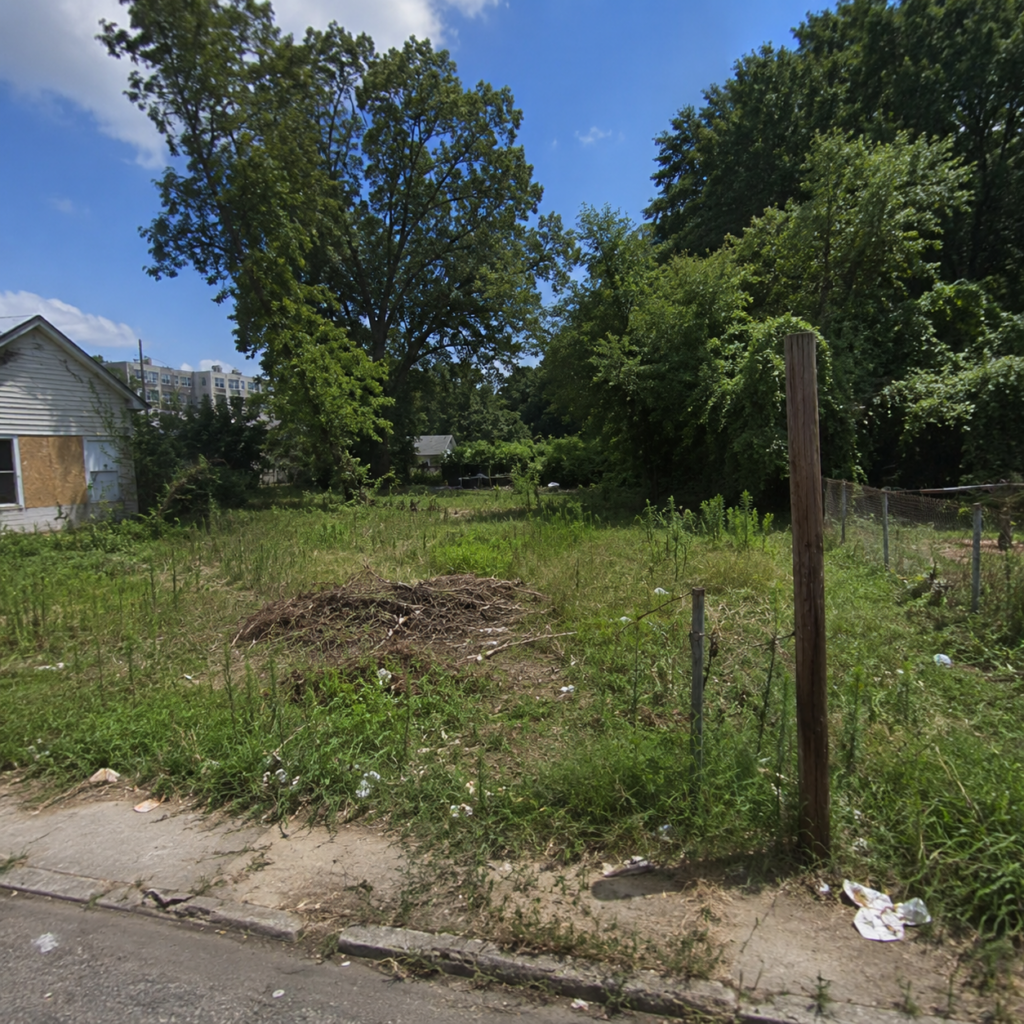
Why “Sell My Vacant Land” Is a Harder Problem Than Selling a House
Owners are often blindsided by how differently land behaves on the market. Four structural reasons explain nearly all of it.
1. Most buyers cannot get a mortgage on it
A conventional 30-year loan is designed around an occupied structure. Raw land has no roof to insure and nothing to appraise against in the usual way, so most banks will not touch it. What is left are land loans from local banks and credit unions, which typically ask for 20 to 50 percent down on shorter terms at higher rates, and cash buyers. That alone removes the overwhelming majority of the retail buyer pool before your listing goes live.
2. Comparable sales are thin
Two houses on the same street are broadly comparable. Two parcels on the same street may not be, because one has sewer at the road and the other needs a septic system the soil may not support. Appraisers and buyers work from a much smaller and messier set of comps, which produces wide value disagreements and long negotiations.
3. Agents earn less and wait longer
Land commissions typically run 8 to 10 percent, higher than the 5 to 6 percent common on houses, precisely because the marketing period is so much longer. Many residential agents simply avoid land. The ones who specialize in it are worth hiring, but they will tell you plainly that a rural or problem parcel can sit for a year or more.
4. The questions buyers ask are technical
A house buyer asks about the kitchen. A land buyer asks about legal access, zoning, minimum lot size, floodplain, wetlands, utility locations, and whether the soil will pass a percolation test. If you cannot answer those questions, serious buyers move on and bargain hunters make lowball offers. This is the single biggest reason well-located parcels sit unsold.
What Vacant Land Quietly Costs You Every Year
Land is often described as a hands-off asset. In practice it has a running meter, and unlike a rental, nothing offsets it. Georgia assesses property at 40 percent of fair market value, and vacant land gets no homestead exemption — that relief applies only to a primary residence. So the parcel you never visit is taxed without the discount your house receives.
| Recurring cost | Typical range | What owners miss |
| Property taxes | Varies widely by county and value | No homestead exemption applies to vacant land, and assessments often rise faster than owners expect in appreciating submarkets. |
| HOA or POA dues | A few hundred to a few thousand a year | Platted subdivision lots frequently carry dues indefinitely, and unpaid dues can become a lien. See HOA foreclosure. |
| Mowing and code compliance | Several hundred per cut in metro areas | Cities cite overgrown lots, then abate the nuisance themselves and attach the cost to the property as a lien. |
| Liability exposure | Insurance is cheap; incidents are not | Dumping, trespassing, ATV use, and injuries on unposted land are real risks on absentee-owned parcels. |
| Penalties and interest if you fall behind | Compounds quickly | Georgia counties add interest monthly plus penalties at intervals, then record a FiFa. See tax-delinquent property. |
That last row is the one that turns a nuisance into an emergency. Once a county records a FiFa — a tax execution — the parcel can be levied, advertised in the legal organ for four consecutive weeks, and sold on the courthouse steps on the first Tuesday of the month. Our guides on what happens if you do not pay property taxes, how many years you can be behind in Georgia, and tax foreclosure walk through that timeline. If a sale has already happened and it brought more than the debt, the surplus belongs to you — see Fulton County excess funds and what an interpleader action is.
One more Georgia-specific trap. If your acreage is enrolled in a Conservation Use Valuation Assessment covenant for reduced taxes, that covenant generally runs ten years and carries breach penalties if the land is sold to someone who will not continue it. Check the covenant status before you market the parcel, not after you have a contract.
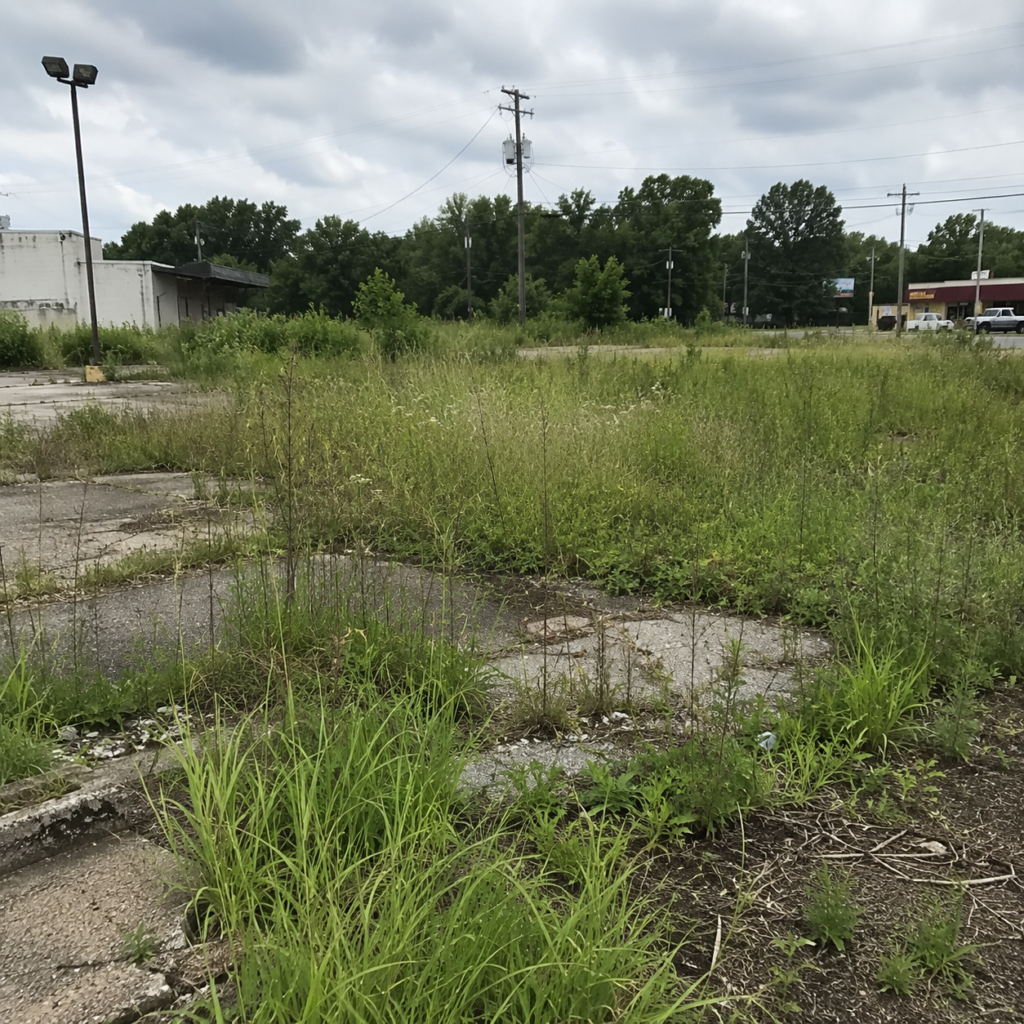
The Five Situations That Bring Owners to This Page
You inherited land you never wanted
By far the most common. A parent or grandparent held a lot for decades, and now several siblings own it jointly and disagree about what to do. Nothing gets decided, the taxes keep coming, and eventually one heir pays them out of pocket to avoid a tax sale. The estate usually needs legal authority to sell before a closing can fund. Start with selling inherited land, our overview of probate real estate in Georgia, and how to sell inherited land.
You live out of state
Managing a Georgia parcel from another time zone is genuinely difficult. You cannot easily meet a surveyor, check whether someone is dumping on it, or attend a closing. Nearly every step of a direct sale can be handled remotely with a mail-away closing package. Here is how we work with out-of-state owners.
The taxes got away from you
Sometimes it is one missed year that compounded. Sometimes the bill went to an old address for a decade. Either way, back taxes do not block a sale — they are typically paid from the proceeds at closing rather than out of your pocket. What does block a sale is waiting until the parcel is already advertised. Once a Fulton County tax sale date is set, your options narrow fast.
The investment never happened
You bought a lot planning to build, or a developer told you the path of growth was heading your way. Ten years later the plan changed, the market moved elsewhere, or the permitting proved impossible. There is no shame in closing the position. Land held with no exit plan is an expense, not an investment.
The parcel has a real problem
Landlocked with no recorded easement. Half in a floodplain. Zoned in a way that no longer allows what you assumed. Too small for the county minimum lot size. Failed a perc test. These parcels are the hardest to list and the ones we look at most closely, because problem land is what we buy.
What Actually Determines What Your Vacant Land Is Worth
Owners frequently anchor on the county assessment or on what a neighbor was asking. Neither is a valuation. Here is what a real buyer prices, in roughly the order that matters:
- Legal access. Not a dirt path someone has used for years — a recorded easement or public road frontage. A landlocked parcel can be worth a fraction of an identical parcel with frontage, and prescriptive access arguments are expensive to prove.
- Zoning and minimum lot size. What the county will actually permit today. A one-acre parcel in a district requiring two acres per dwelling is not a homesite until a variance says otherwise.
- Utilities. Public sewer versus septic is the single largest value swing on residential land. Water, power, and how far the nearest connection sits all matter, and running power a quarter mile is not cheap.
- Soil and percolation. If there is no sewer, the parcel needs a health-department-approved septic area. Clay-heavy tracts across parts of north Georgia fail routinely.
- Topography, floodplain, and wetlands. Slope drives grading cost. FEMA floodplain and jurisdictional wetlands can shrink the buildable area dramatically without changing the acreage on the deed.
- Shape and frontage. A long narrow strip and a square parcel of identical acreage are not worth the same, because setbacks eat the strip.
- Title condition. Gaps in the chain, deceased owners of record, old mortgages never released, judgment liens, and heirs property all reduce what a buyer will pay because they add time and risk.
- Submarket. A quarter acre in Cobb County and a quarter acre in a rural county are different products entirely.
A written offer that accounts for these is worth more than a verbal number that ignores them. Ask any buyer to show you the deductions line by line.
Your Four Options for Selling Vacant Land in Georgia
There is no universally correct route. There is a correct route for your parcel, your timeline, and your tolerance for uncertainty.
| Option | Typical timeline | What it costs you | Best when |
| List with a land agent | 3 to 18 months | 8 to 10 percent commission, plus survey and seller closing costs | The parcel is clean, buildable, well located, and you are not in a hurry. This route has the highest ceiling. |
| For sale by owner or land marketplace | Unpredictable | Listing fees, your own time, high tire-kicker volume | You are comfortable answering technical questions and vetting buyers yourself. |
| Auction | 45 to 90 days | Marketing costs and a buyer premium arrangement regardless of outcome | The parcel is unusual, hard to comp, and there is genuine competing interest. |
| Direct sale to a land buyer | 7 to 21 days | No commission, no fees; the offer is below full retail | There are back taxes, title problems, heirs, access issues, a deadline, or you simply want it resolved. |
The honest trade-off on the fourth row is price. A cash buyer absorbs the carrying cost, the title risk, and the long resale timeline, and the offer reflects that. What you get in exchange is real: no commission, no closing costs charged to you, no survey requirement, no financing contingency, and a date certain. Compare net proceeds and net timelines rather than headline numbers. On a parcel with three years of back taxes and an unreleased lien, the two columns are often closer than owners expect.
How a Direct Land Sale Works, Step by Step
- Tell us about the parcel. The most useful thing you can provide is the parcel ID or tax map number and the county. Acreage, road name, and anything you know about access, zoning, taxes, or HOA dues helps, but we can research most of it ourselves.
- We do the homework. We pull the deed, check the tax status and any recorded FiFa, look at zoning and the flood map, and confirm the ownership of record actually matches who is trying to sell.
- You get a written offer. With the deductions itemized — back taxes, liens, and payoffs shown as line items, not buried in a single number. There is no obligation and no pressure, and if you have another offer, tell us and let us try to beat it.
- Title work begins. Georgia closings run through a licensed closing attorney or title company. They order the title search, clear what needs clearing, and prepare the deed and the PT-61 transfer tax declaration the clerk requires before recording.
- You close and get paid. Typically 7 to 21 days on land with clean title. Out-of-state sellers close by mail or remote notary. Probate, missing heir signatures, or an old defect in the chain add time — that is the usual reason a land closing runs long, not the buyer.
Problems That Do Not Stop a Land Sale
Most owners assume their situation is disqualifying. It usually is not.
- Back taxes and a recorded FiFa. Paid from proceeds at closing in most cases, with the release recorded afterward.
- Liens and judgments. Same mechanism. See can I sell property with a lien on it in Georgia.
- No survey, or a survey from 1978. We do not require you to pay for a new one.
- Landlocked or disputed access. Common, and specifically the kind of parcel we look at.
- Overgrown, wooded, or used as an illegal dump site. No cleanup needed on your end.
- Multiple heirs who do not all agree. Solvable, but identify it early — every owner of record with an interest generally has to sign.
- Unbuildable, failed perc, or in a floodplain. These change the number, not whether a sale is possible.
- An old mobile home or a structure sitting on it. See we buy trailer homes in Georgia and I want to sell my ugly house.
The one situation that genuinely stops a sale is an ownership question nobody has resolved — a deed still in a deceased person’s name with no probate, for example. That is fixable, but it has to be fixed before a closing can fund, and it takes longer than most people plan for.
What to Have Ready Before You Call
You do not need any of this to get a conversation started, but each item speeds up the offer:
- The parcel ID or tax map number, and the county
- Approximate acreage and the nearest road or address
- How you acquired it — purchase, inheritance, tax deed, gift
- Whether taxes are current, and roughly how far behind if not
- Any mortgage, lien, HOA balance, or judgment you know of
- Exactly whose names are on the deed, including anyone who has died
Where We Buy Vacant Land in Metro Atlanta
We purchase land throughout the region, including Fulton County, DeKalb County, Cobb County, Gwinnett County, Clayton County, and Henry County, plus rural tracts elsewhere in the state. More on our approach as Georgia land buyers and about our team.
How to Vet Any Land Buyer, Including Us
The land space attracts some bad actors, largely because absentee owners are easy to find in public records and hard to reach for a second opinion. Treat these as red flags:
- Any request for money up front. A legitimate buyer never charges you a fee.
- A verbal number with no written offer and no breakdown of deductions.
- Pressure to sign same-day, or a contract with blanks in it.
- Refusal to close through a Georgia closing attorney or title company.
- Discomfort with you having an attorney review the contract.
- A price wildly above every other offer, which often signals a contract that will be renegotiated downward days before closing.
Ask any buyer how they arrived at their number. A real one can explain it in a couple of minutes.
Questions and Answers About Selling Vacant Land
How fast can I sell my vacant land in Atlanta?
Most direct land purchases close in 7 to 21 days once an offer is accepted, assuming ownership is clear. Title issues, unprobated estates, and missing heir signatures are what extend that, not the buyer’s funding.
Do I need a survey before selling vacant land?
Not for a direct sale. A retail listing usually benefits from one, because financed and retail buyers want boundaries confirmed, but we buy with whatever documentation exists — including an old survey or none at all.
Can I sell land with back taxes owed?
Usually yes. Delinquent taxes are typically paid from the sale proceeds at closing and the lien is released afterward, so you generally do not come out of pocket. The important thing is timing: act before the parcel is levied and advertised. See tax-delinquent property.
What if my land is landlocked or has no road access?
We still buy. Access problems, unrecorded easements, and dead-end paper streets are ordinary in metro Atlanta, especially on older subdivided tracts. Access will affect the price, but it does not end the conversation.
How much is my vacant land actually worth?
Less than the retail asking prices you see online, and often more than the county assessment. Value tracks access, zoning, utilities, buildable area, and title condition rather than raw acreage. The fastest way to a real number is a written offer with the deductions shown.
Are there commissions or fees when I sell to you?
No. We do not charge commissions or fees, and we cover our own closing costs as part of the offer. The number we quote is the number you are working from.
I inherited the land with my siblings. Can we still sell?
Generally yes, but the estate needs legal authority — letters testamentary or letters of administration — and every heir with an ownership interest normally has to sign. Identify this early, because it drives the timeline more than anything else. See selling inherited land.
I live out of state. Do I have to travel to Georgia?
No. Closings are routinely handled by mail or remote notary, with funds wired to you. See how we work with out-of-state owners.
What if the property is unbuildable or in a floodplain?
Still sellable. Unbuildable parcels have value as assemblage, recreational use, timber, hunting, buffer, or simple adjacency to a neighbor who wants more room. It affects price, not possibility.
Can I just sell my land to a relative for a dollar instead?
You can, and the deed will record — but it is rarely the clean escape people expect. Carryover basis, gift reporting, Medicaid look-back, and any lien attached to the parcel all travel with it. We wrote a full explanation: can you sell a piece of land for $1 in Georgia.
Will selling my land trigger a big tax bill?
It depends on your basis and how long you held it, and inherited land often receives a stepped-up basis that reduces or eliminates gain. Georgia also charges a modest real estate transfer tax, and every deed requires a PT-61 filing. Talk to a CPA about your specific numbers — this page is not tax advice.
Do you buy land with an old mobile home or structure on it?
Yes. See we buy trailer homes in Georgia, and for distressed structures, I want to sell my ugly house.
What if I owe HOA dues on a subdivision lot?
Unpaid dues are usually settled at closing like any other lien. Note that an HOA can pursue foreclosure over assessments in Georgia — see HOA foreclosure.
My land already sold at a tax sale. Is there anything left for me?
Possibly. If the sale brought more than the taxes, penalties, and costs owed, the surplus belongs to the former owner and other interest holders. See Fulton County excess funds and what is an interpleader action. Georgia also gives a 12-month right of redemption after a tax sale, though redemption requires paying the purchaser’s full bid plus a 20 percent premium.
Is a cash offer always the right choice?
No. If your parcel has sewer, good frontage, clean title, current taxes, and you can wait six to twelve months, listing with a land agent will usually net more. A direct sale wins on certainty, speed, and problem parcels. Run both numbers before deciding.
The Bottom Line
Vacant land does not fix itself. Unlike a house, it produces no income, attracts no emotional buyers, and quietly bills you every year for the privilege of owning it. The owners who do best are not the ones who wait for a perfect offer — they are the ones who get an honest read on what the parcel actually is, compare the routes side by side, and then decide.
If your land is clean and well located and you have time, list it. If it has back taxes, heirs, access problems, or a deadline attached, a direct sale is usually the better trade. Either way, the worst option is another year of tax bills on a parcel you never visit.
Ready to find out what your parcel is worth? We buy vacant and raw land across metro Atlanta as-is — back taxes, liens, access problems and all — with no commissions, no fees, and no obligation. Call or text (404) 913-7086, request a no-obligation cash offer, or contact us with a question about your land. We will give you a straight answer either way, including when the answer is to keep it.
Related: tax-delinquent land · inherited land · out-of-state owners · Fulton County tax sale · Georgia land buyers · blog
Ready To Sell Your Land? Start Here…
We are direct land buyers. There are no commissions or fees and no obligation whatsoever. Start below by sharing where your property is and where we can send your offer…
"*" indicates required fields

And if you would rather talk it through, call us anytime at (404) 913-7086 to discuss your land and back taxes in person.