A Fulton County, Georgia Guide to Eminent Domain, Tax Sales, and Protecting What’s Yours
A letter shows up. It’s on official letterhead, it uses words like “condemnation” or “tax execution,” and somewhere in there is a sentence that makes your stomach drop: the government wants your land. Whether it’s GDOT widening a road, Fulton County pursuing unpaid taxes, or a utility company seeking an easement, the feeling is the same, a sense that a decision about your property is being made without you.
Here’s what matters most: you have rights in every one of these situations, and the process, while intimidating, follows rules the government has to follow too. This guide walks through the two most common ways Fulton County landowners find themselves facing a government claim on their property, eminent domain and delinquent tax enforcement, and what to do at each stage to protect your interests.
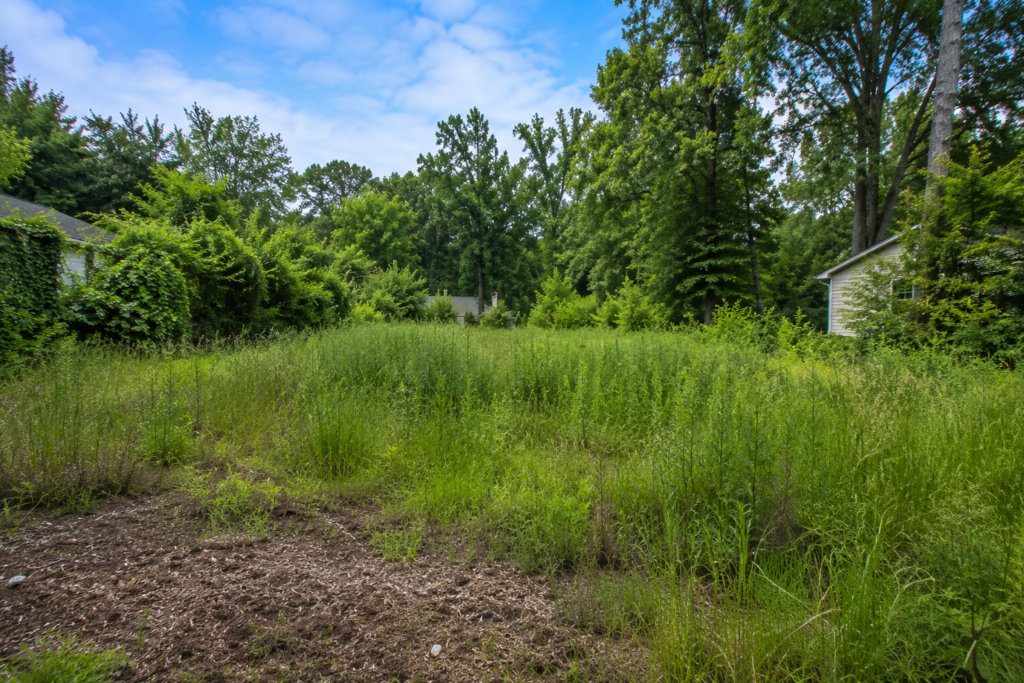
Two Ways the Government Can Come After Your Fulton County Land
When people say “the government wants my land,” they’re usually describing one of two very different legal processes, and it’s worth understanding which one you’re actually facing before you do anything else.
Eminent Domain (Condemnation)
This is when a government agency, or a utility company authorized to act like one, takes private property for a public use, such as a road widening, a transit line, or a utility corridor. The government must pay you just compensation, but it can legally take the property even if you disagree with the price. In Fulton County, this most often shows up as a GDOT road project, a MARTA transit expansion, or a utility company seeking a permanent or temporary easement across part of your land for pipelines, power lines, or drainage work.
Tax Sale for Unpaid Property Taxes
This is a different process entirely. Fulton County doesn’t take your land directly for unpaid taxes, but it can file a tax execution against the property and eventually sell it at public auction to recover the debt. Unlike eminent domain, this process is triggered by nonpayment, and in most cases it can be stopped simply by paying what’s owed before the sale.
The rest of this guide covers both processes in detail, since Fulton County landowners run into either one, and sometimes both at the same time.
Understanding Eminent Domain in Fulton County
Eminent domain is written into both the U.S. Constitution and the Georgia Constitution. Under Article I, Section III of Georgia’s constitution, private property cannot be taken or damaged for public use without just and adequate compensation. In Fulton County, the most common condemning authorities are the Georgia Department of Transportation for road projects, MARTA for transit expansion, and utility companies exercising delegated condemnation authority for pipelines, power lines, or drainage easements.
What Triggers a Condemnation Notice
The process typically starts long before any legal filing. A project is planned, engineers determine which parcels are affected, and the condemning authority sends a notice of intent to acquire, followed by an appraisal of your property to establish what the agency believes is fair market value.
Your Rights Under Georgia’s Landowner’s Bill of Rights
Georgia’s Landowner’s Bill of Rights and Private Property Protection Act, passed in 2006, requires the condemning authority to notify you in writing before filing a condemnation petition and to provide you with a written copy of your rights as a property owner. It also requires that any taking be for a genuine public use, and if the land is acquired for redevelopment purposes, it narrows what counts as public use considerably. If the condemning authority skips these procedural steps, that failure can itself be grounds to challenge the case.
The Good-Faith Offer and Just Compensation
Before filing suit, the condemning authority is required to make a good-faith offer based on an appraisal. That appraisal is not something you’re automatically shown in detail, and the first number offered is rarely the final word. You have the right to get your own independent appraisal, negotiate for a higher amount, and if necessary, let a jury decide what constitutes just compensation.
What Happens If You Reject the Offer
If you don’t accept the offer, the condemning authority can file a condemnation action in Fulton County Superior Court. In many cases, once the authority deposits its offer amount with the court, it can take possession of the property even while the compensation dispute continues. That doesn’t mean the fight is over, it means the compensation question moves into a legal proceeding where you can still argue for more, typically with the help of an attorney experienced in eminent domain.
Fee Simple, Permanent Easements, and Temporary Easements
Not every taking looks the same, and the type matters a great deal for what happens to your property afterward. A fee simple taking means the government acquires full ownership and you retain no rights to that portion of land. A permanent easement lets the government use part of your property indefinitely, often for utilities, drainage, or slopes, while you keep ownership but usually can’t build on that section. A temporary easement gives short-term access, typically for construction staging, and your full use of the property returns once the work is done. Because easements are limited in scope, compensation is often calculated as a percentage of full land value, but the practical effect on how you can use your property can still be substantial.
Understanding Fulton County Tax Sales: When Delinquent Taxes Put Your Land at Risk
The other, more common way Fulton County landowners lose land to government action isn’t a condemnation notice, it’s a stack of unpaid tax bills. Unlike eminent domain, this process is entirely within your control to stop, right up until the final steps.
The Fi.Fa. and Tax Execution Process
When property taxes go unpaid past the due date, interest begins accruing at 1% per month. If the balance stays unresolved, Fulton County can issue a Fi.Fa., a tax execution, which is recorded against the property and creates a lien. From there, the county can advertise the property for a public tax sale.
The Auction and Redemption Period
Tax sales in Fulton County are typically held on the courthouse steps on the first Tuesday of the month. If your property is sold, Georgia law gives you a redemption period, commonly 12 months, to reclaim it by paying the buyer’s bid amount, any additional taxes they paid, and a statutory penalty, often around 20 percent, plus costs. Miss that window, and the buyer can move to foreclose your right of redemption permanently.
What to Do If You Receive a Condemnation Notice
- Don’t sign anything or accept the first offer before you understand what it’s based on.
- Get your own independent appraisal. The government’s number reflects their interest, not necessarily the property’s full value.
- Review the notice carefully for compliance with the Landowner’s Bill of Rights. Procedural mistakes by the condemning authority can matter.
- Consult an attorney who handles eminent domain cases specifically, ideally before you respond to the initial offer, not after.
- Understand what’s being taken, fee simple ownership, a permanent easement, or a temporary easement, since each has very different long-term effects on your property.
What to Do If You’re Facing a Fulton County Tax Sale
- Call the Fulton County Tax Commissioner’s office immediately and get your exact current payoff amount, including interest and fees.
- Pay the balance before the sale date if you’re able to. This is almost always the simplest, least expensive way to resolve it.
- Ask about payment plans or installment arrangements if you can’t pay the full balance at once.
- Consider selling the property before the auction date if you don’t want to keep it, so the tax debt is settled directly from the proceeds at closing.
- If the property has already been sold, act quickly. You’re now in a redemption period with real financial and time pressure, and the cost to reclaim it only grows the longer you wait.
Common Mistakes Landowners Make in Both Situations
Whether you’re dealing with a condemning authority or a delinquent tax balance, the same handful of mistakes tend to make things worse. Waiting to respond, assuming the first offer or bill is final, and trying to handle a legal notice without asking questions all shrink your options over time. In eminent domain cases specifically, accepting a first offer without an independent appraisal is one of the most common ways landowners leave real money on the table. In tax delinquency cases, ignoring notices because the amount feels too big to deal with is what turns a manageable bill into a lost property.
A Real Example: A Fulton County Landowner Facing Both Issues
A landowner in South Fulton received a GDOT notice that a road-widening project would require a permanent easement across the front third of his lot, along with a good-faith offer for the taking. At the same time, he was two years behind on property taxes on the same parcel, unrelated to the GDOT project. He got an independent appraisal that valued the easement significantly higher than GDOT’s initial offer and negotiated a revised settlement before any condemnation action was filed. Separately, he called the Fulton County Tax Commissioner, confirmed his payoff amount, and paid off the back taxes using part of the eminent domain settlement once it closed. Handling both issues in parallel, rather than letting either one sit, kept him from losing ground on either front.
Frequently Asked Questions
Can the government just take my land in Fulton County?
Only for a legitimate public use, and only with just compensation. The condemning authority has to follow the notice and procedural requirements in Georgia’s Landowner’s Bill of Rights, and you have the right to challenge both the taking itself and the amount offered.
Do I have to accept the government’s first offer?
No. The initial offer is a starting point, not a final number. Getting an independent appraisal and, if needed, legal representation, is a normal and often effective part of the process.
Is a tax sale the same thing as eminent domain?
No. Eminent domain is a taking for public use with required compensation. A tax sale is a debt-collection process triggered by unpaid taxes, and in most cases it can be stopped entirely by paying the balance before the sale date.
What if I can’t afford to fight a condemnation case or pay off delinquent taxes?
For eminent domain cases, many attorneys work on contingency, meaning they’re paid from any increase they secure over the government’s original offer. For tax debt, selling the property before the sale date lets you resolve the balance directly from the proceeds without paying out of pocket.
How much time do I actually have once I get a notice?
It varies by process and by project, but in both eminent domain and tax delinquency cases, the earlier you act, the more options you have. Waiting rarely improves your position in either scenario.
Summary and Next Steps
Whether the government wants your Fulton County land through eminent domain or is moving toward a tax sale over unpaid taxes, you have real options and real rights at every stage. Read every notice carefully, get an independent read on your property’s value or your tax payoff amount, and don’t let a deadline pass in silence. The earlier you respond, the more control you keep over the outcome.
Dealing With Delinquent Taxes on Fulton County Land?
If back taxes are part of what you’re facing and keeping the land isn’t the priority it once was, we can help you resolve it without the stress of an approaching sale date.
Call (404) 913-7086 or request a no-obligation cash offer at AtlantaLandBuyers.com. We buy Fulton County land as-is, including parcels with back taxes or a recorded lien, and can often close in 7–14 days.
Helpful Fulton County Resources
Georgia DOT Office of Right of Way
Fulton County Government Official Website
Fulton County Tax Commissioner
State Bar of Georgia Lawyer Referral Service
Official Code of Georgia, Title 22 — Eminent Domain
Ready To Sell Your Land? Start Here…
We are direct land buyers. There are no commissions or fees and no obligation whatsoever. Start below by sharing where your property is and where we can send your offer…
"*" indicates required fields